Five Years in Egypt: Stronger Systems, Wider Partnerships, Results for People
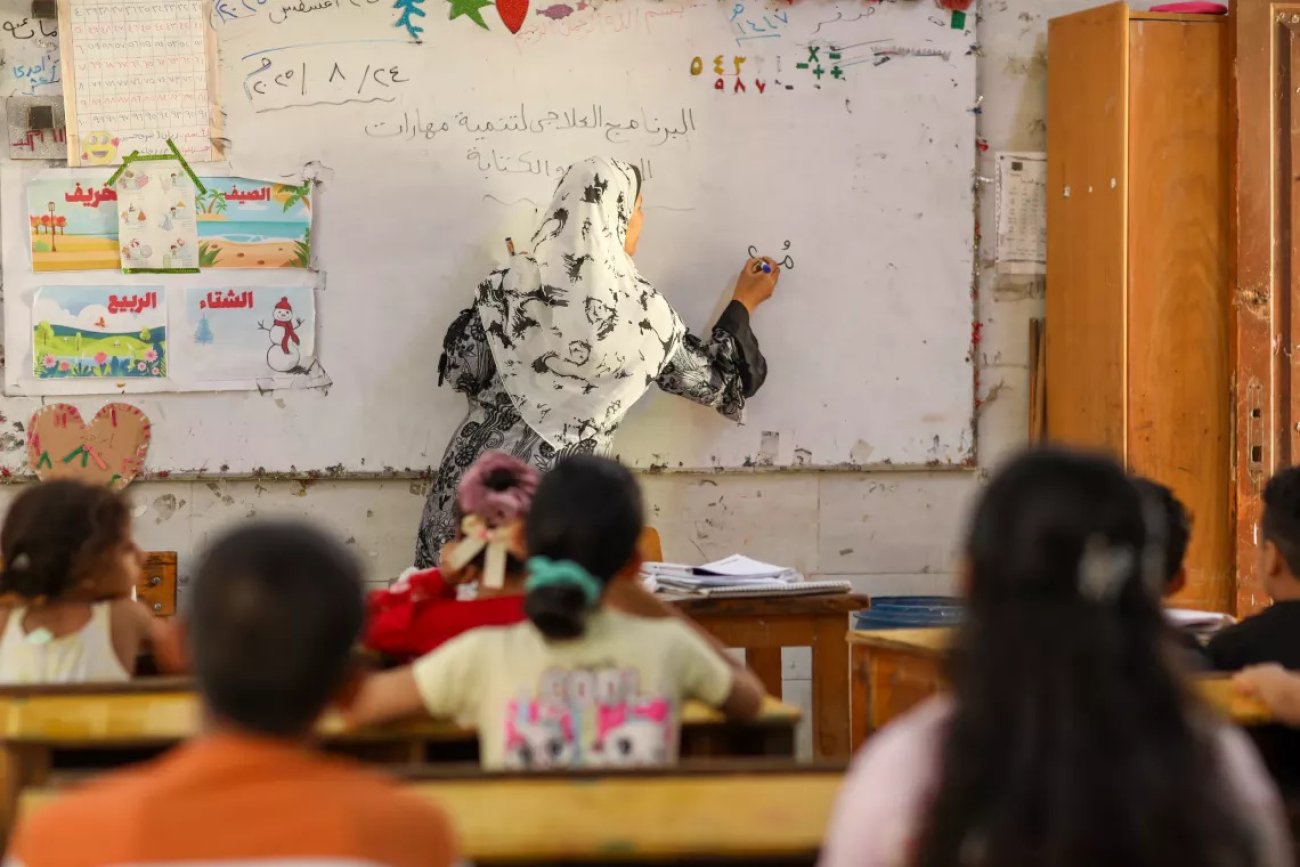
At the close of her assignment, UN Resident Coordinator in Egypt Elena Panova reflects on five years of partnership that strengthened national systems, expanded access to essential services, supported people on the move, advanced climate action and helped Egypt respond to successive regional crises.
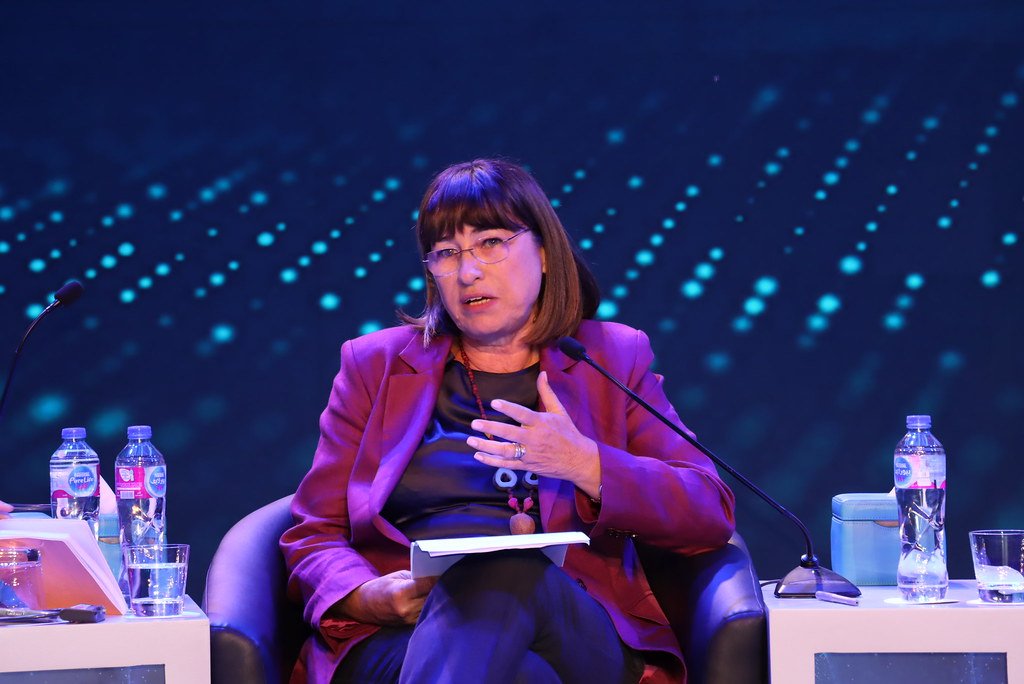
After five years as the UN Resident Coordinator in Egypt, my tenure has come to an end. As I leave, I do so with deep gratitude and pride for what we have achieved together.
These five years were unlike any other, marked by successive crises that tested institutions, partnerships and resilience. The COVID-19 pandemic had a profound socio-economic impact on Egypt, prompting the UN to work closely with the Government to support the national response. The war in Ukraine then intensified food security pressures, given Egypt’s heavy reliance on Ukrainian grain imports. In close collaboration with national counterparts and partners, the UN helped assess these socio-economic impacts and inform the Government response.
More recently, regional conflicts added further complexity. The conflict in Sudan drove large-scale displacement to Egypt, increasing pressure on national services. The war in Gaza demanded a major humanitarian response, while broader instability heightened economic pressures and uncertainty.
Throughout, my guiding principle remained clear: ensuring that the United Nations acted as one in support of Egypt’s priorities. By harnessing the expertise and capacities of the UN system, we strengthened our role as a trusted partner to the Government and people of Egypt.
When development impacts reach people’s daily lives
One of the most important lessons from my time in Egypt is that sustainable development can only be achieved when it is rooted in national systems and institutions. Our role as the UN is not to create parallel structures, but to strengthen and support existing national efforts.
Over the past five years, I saw this approach translate into tangible results. Four examples stand out:
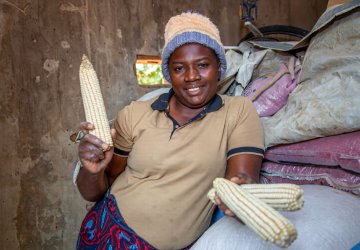
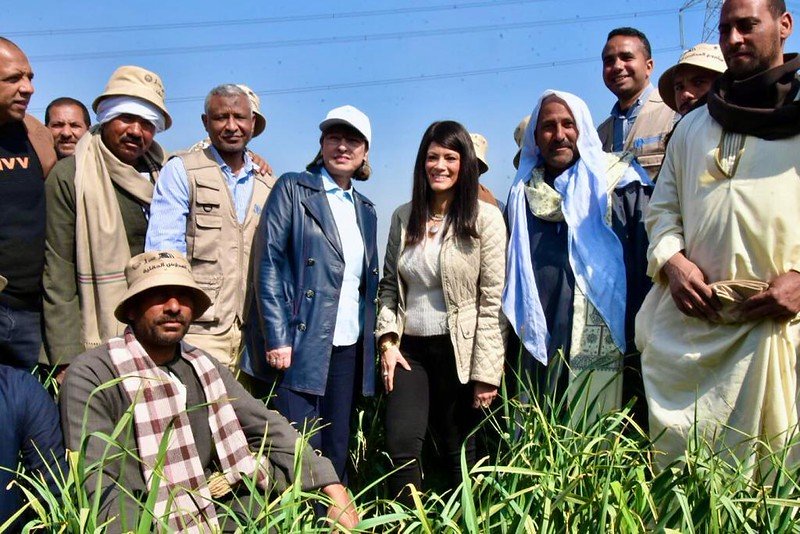
- Improving lives in rural communities: Hayah Karima, one of the largest rural development programmes in Egypt’s history, demonstrated what the UN system can achieve when it aligns behind a national priority. Under my leadership, 13 UN agencies brought their expertise together in a collective effort that mobilised nearly $400 million between 2023 and 2026. This support helped improve access to nutrition, education and social protection, while expanding opportunities for women’s economic empowerment, decent work and climate-smart agriculture in Hayah Karima villages.
- Turning climate ambition into sustained action: Egypt’s hosting of COP27 was a defining moment for the country and the UN system. Under my leadership, UN entities mobilised their expertise, networks and convening power at the global, regional and country levels around a shared objective: supporting the success of Egypt's Presidency and advancing its climate priorities on the world stage. Its legacy extends beyond the conference itself, with stronger partnerships and a platform for sustained climate action.
- Building a more integrated social protection system: When the Minister of Social Solidarity set out the Government’s vision for Egypt’s first integrated Social Protection Framework, I convened the relevant UN agencies and helped bring the World Bank behind a common agenda. By aligning our respective strengths in support of a Government-led process, we helped lay the groundwork for a more integrated and shock-responsive approach to social protection, connecting social assistance and social insurance across the life cycle. Although the framework remains under development, the partnership built around it already demonstrates the value of coordinated multilateral support for nationally-led reform. Presenting this collective effort at the Doha Social Summit provided important recognition of both Egypt's vision and the collaboration supporting it.
- Strengthening support for migrants, refugees and host communities: As Egypt responded to increasingly diverse displacement needs, stronger coordination became essential. In 2021, we launched the Joint Platform for Migrants and Refugees, which I co-chaired with the Ministry of Foreign Affairs. The Platform has since become an important space for dialogue and coordination among Government institutions, UN agencies, development partners, civil society and academia. Building on this foundation, an EU-funded joint programme launched in 2024 has enabled half a million people to gain greater access to education, health and protection services, while strengthening national systems to respond more effectively.
The power of partnerships
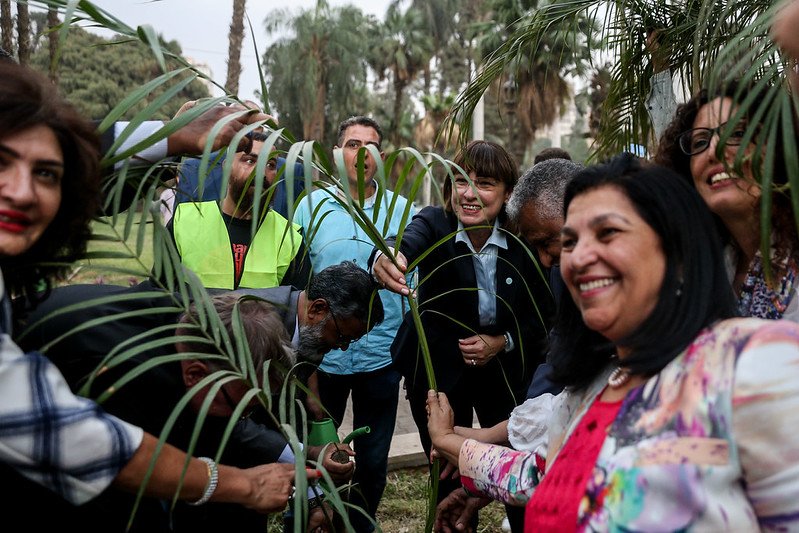
The efforts are built on a strong foundation of partnership. The most effective solutions emerge when institutions move beyond silos, combine their strengths and work toward shared goals.
One initiative I am particularly proud of is the UN–International Financial Institutions Dialogue. It brings together the UN Country Team and major partners: the World Bank Group, International Monetary Fund, European Investment Bank, International Finance Corporation, Islamic Development Bank, African Development Bank, European Bank for Reconstruction and Development, and Organisation for Economic Co-operation and Development. By strengthening coordination and building a shared understanding of Egypt's priorities, the platform has helped connect development expertise with financing opportunities and support greater impact on the ground.
We also strengthened engagement with non-governmental organizations through the UN–International NGO Forum, creating space for more inclusive dialogue, joint planning and shared analysis as development resources came under increasing pressure.
Coordinating when crises crossed borders
As conflicts intensified across the region, ensuring a coordinated humanitarian response became increasingly important. The war in Gaza, in particular, highlighted the value of the Resident Coordinator system in bringing together UN agencies, humanitarian actors and Government counterparts in a highly complex environment.
In addition to its leading regional role in the diplomatic domain, Egypt has played a vital role in facilitating humanitarian assistance and medical evacuations to and from Gaza. The UN in Egypt has worked closely with the Egyptian authorities to support these efforts and help deliver lifesaving assistance to those affected.
What partnership leaves behind
Looking back, I believe my greatest achievement is not a single programme or initiative. Rather, it is helping position the United Nations as a trusted partner that can convene, coordinate and deliver collective results in support of national priorities.
I leave Egypt with immense gratitude: to the Government of Egypt for its trust and partnership; to our development partners for their support; and to the dedicated UN team whose commitment made these achievements possible. Together, we have shown what can be accomplished when we work as one, always keeping people and their needs at the centre of our efforts.
Please visit the UN team's website for more information about the UN's work in Egypt.





Latest news and updates