How UN Country Teams are Advancing Integrated Responses to El Niño

By Gonzalo Pizarro, Chief of Policy, UN Development Coordination Office, and Poorti Sapatnekar, Sustainable Development Officer (Climate, Environment, Food Systems), UN Development Coordination Office
A climate shock in a world of compounding crises
The world is confronting a ‘Super’ El Niño in the coming year. A recurring climate pattern, the El Niño-Southern Oscillation can bring a mixture of drought, storms, flooding and wildfires, with impacts varying significantly between regions. With this El Niño set to be the strongest on record, the World Meteorological Organization (WMO) has warned that it “will deliver a major blow to communities, economies, and supply chains across the globe”.
It is therefore no surprise that countries across the globe – in particular those most vulnerable to El Niño – are taking nationally appropriate preparedness and response measures to minimise its impact on their people, economies and ecosystems.
But El Niño is not happening in a vacuum. For millions of people, it occurs on top of existing and interconnected crises that already shape their lives: from food insecurity to political instability to the spread of diseases, and from rising temperatures to the spillover effects of the ongoing Middle East crisis. As countries plan their response to El Niño, they must account for the wider set of crises that can compound its effects. Building such integrated responses is precisely what the United Nations system is helping countries to do.

The reality of compounding crises
It is easy to discuss “compounding crises” in abstract policy terms. But what do they mean for the lives of ordinary people?
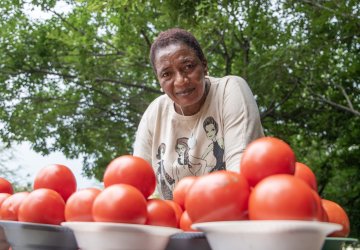
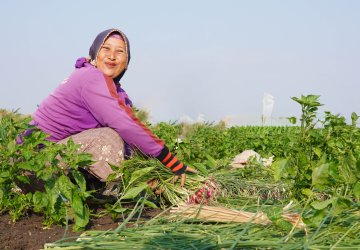
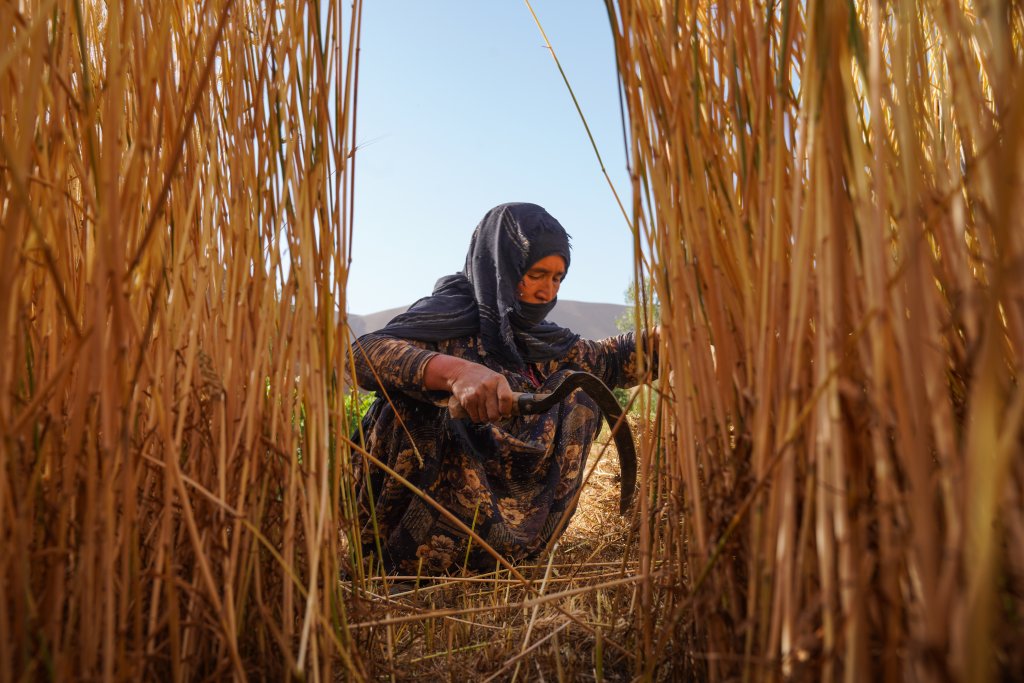
Imagine a hypothetical family in Jordan. The father is a smallholder farmer, growing tomatoes and cucumbers on a plot his family has held for generations. The mother teaches at the local school. They have two young children.
Their life was already precarious. Jordan is one of the world’s most water-scarce countries – a situation that climate change worsens each year. The father has watched his yields decline year after year.
Then the regional conflict escalated. Jordan, with its economy deeply integrated with the wider Middle East, is bearing a steep additional financial cost to mitigate the economic and social repercussions of the conflict – about 0.7 per cent of its Gross Domestic Product (GDP). The government has been absorbing additional energy costs, operating power plants with alternative fuel at nearly JOD 3 million per day. Public spending has been tightened. For this family, the price of basic goods has crept up while remittances from relatives working in the Gulf have ceased. The mother's school has struggled to maintain supplies.
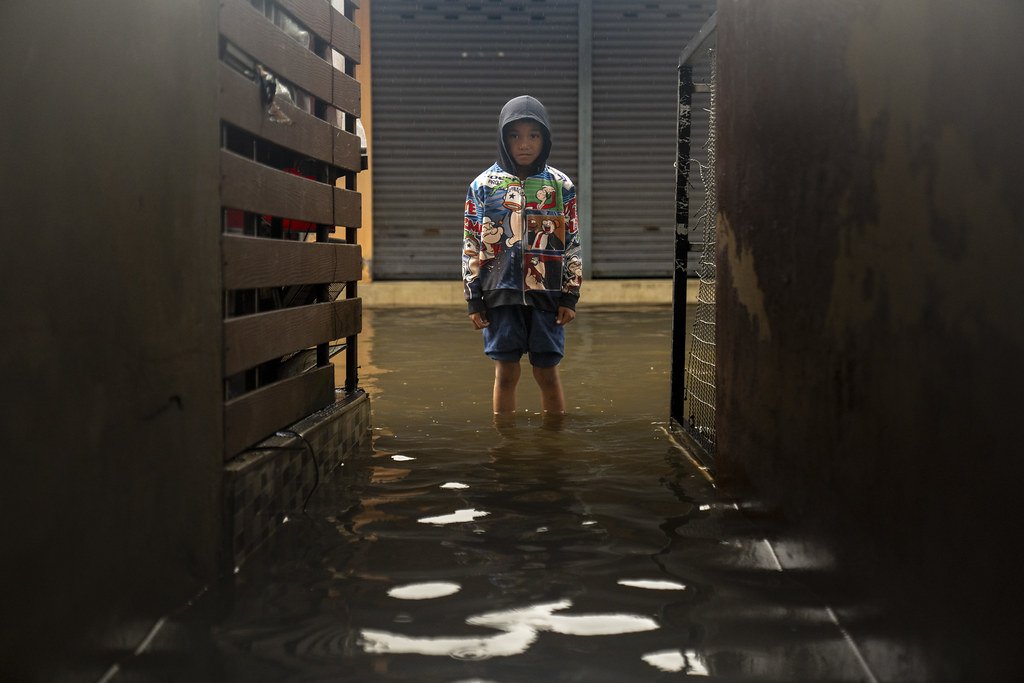
Now, forecasts point to a super El Niño marked by erratic rainfall, prolonged drought and flash flooding. For this family, El Niño is another crisis layered on top of water scarcity, fiscal strain, food insecurity, and the relentless pressure of regional instability. A failed crop means the children eat less. A flash flood could wipe out the family’s savings. A spike in water prices means the school cannot keep its taps running.
These crises do not queue up politely. They compound.
The UN system: Turning fragmented responses into integrated action
When crises compound, responses must be integrated. The El Niño response cannot be separated from food and water security, economic resilience, climate adaptation or efforts to address the spillover effects of the Middle East crisis.
In over 160 developing countries, the United Nations system – consisting of some 30 UN entities with distinct mandates, each partnering with specific government departments or ministries – supports the government to deploy integrated responses – both in the short and long term. The Resident Coordinator ensures that individual mandates and efforts of UN entities reinforce one another rather than operate in parallel.
This means designing integrated and effective policies across sectors; identifying scalable solutions with buy-in from many government ministries; attracting the domestic and international financing needed to realise them; and building the national capabilities to manage and steer these solutions over the longer term.
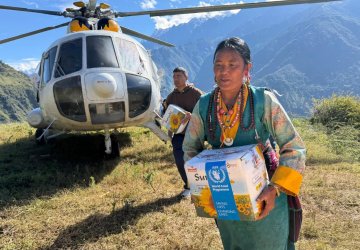
In countries at highest risk from El Niño, UN Country Teams (UNCTs) are helping governments turn forecasts into early action, linking humanitarian preparedness with climate adaptation and longer-term resilience. Under the leadership of UN Resident Coordinators, UNCTs are convening authorities and partners, sharpening risk analysis, pre-positioning assistance, protecting food, water and livelihoods, and mobilising finance so that predictable climate shocks do not escalate into humanitarian crises. This support also strengthens local institutions and communities facing compounding crises.
For example, Ethiopia is demonstrating the value of linking forecasts to sectoral preparedness; Mozambique is expanding trigger-based anticipatory systems; and the Philippines is bringing a multi-hazard and gender-responsive lens to social protection and essential services.
Financing integrated action through joint UN programmes
This integrated approach is now being boosted through the Joint SDG Fund’s Development Emergency Modality, which currently supports thirty-five countries highly vulnerable to the spillover effects of the Middle East crisis, via UN joint programmes. A defining characteristic was baked into the design of these joint programmes: each must support the response to El Niño while also supporting the response to the Middle East crisis.
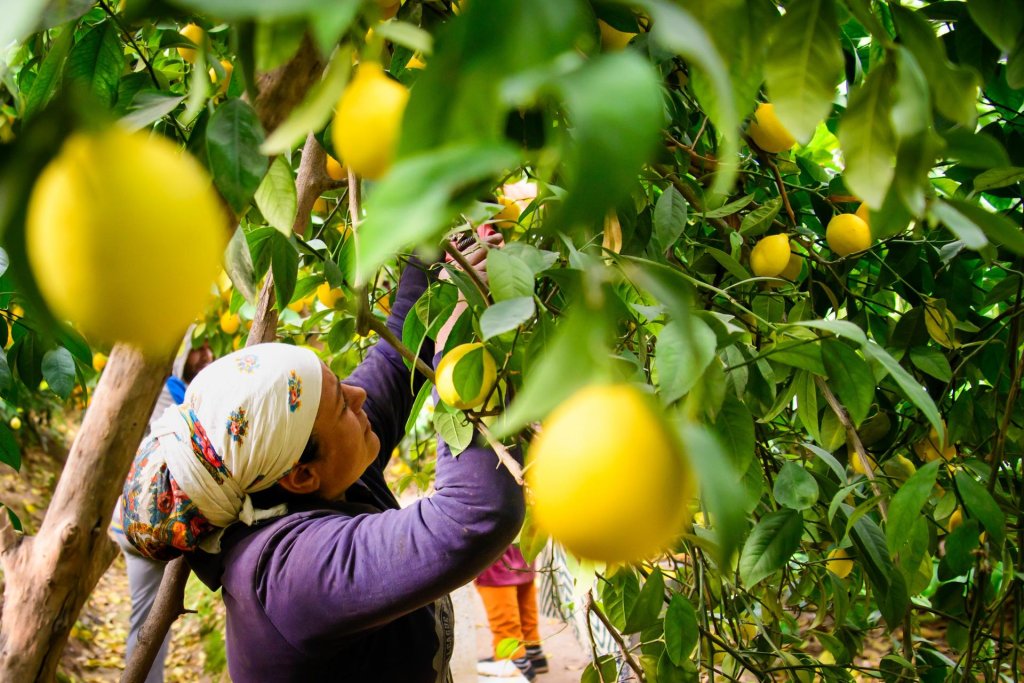
For example, in Mauritius, the UNCT is helping the government integrate El Niño risks into responses to food insecurity and economic stress through stronger food security monitoring and strategic reserves.
In Papua New Guinea, the response brings together crisis analytics, fiscal planning and support for vulnerable enterprises to reduce exposure to both climate and economic shocks through a single, integrated resilience framework.
In Jordan, strengthening the national farmer registry is helping the government better target assistance and make climate-informed decisions amid the spillover effects of the Middle East crisis.
Across these different contexts, the principle is the same: shared data, coordinated institutions and flexible financing allow governments to address immediate pressures while strengthening resilience to future shocks.
From forecasts to foresight
What sets El Niño apart is its cyclical nature. It is not a single event: it includes a build-up, peak, recovery, and the quiet in-between years when the next phase is forming. The 2026-2027 El Niño is a stress test of how well we prepare throughout the whole cycle, not only the months when the shock is visible. Between events is the time to invest in climate-resilient water and agricultural systems, shock-responsive social protection, and risk-informed planning. Countries with fiscal space can pre-position contingent financing, while heavily indebted ones must choose between resilience and immediate obligations.
As signals emerge, seasonal forecasts open a window for action, but only strong governance turns early warnings into pre-agreed action. Even as disaster strikes, preparedness does not remove the need for emergency response, but it shapes how large that response must be and how much dignity it preserves.
In the recovery phase, rebuilding livelihoods and services, and learning from what worked, must feed the next round of resilience planning. Otherwise, recovery simply resets countries to the same vulnerability.
No country meets El Niño from a neutral starting point. Their responses are shaped by their own systemic limitations and needs – in the short and long term. This is why integration matters: bringing together climate intelligence, humanitarian preparedness, economic planning, social protection, and food and water security lets governments and partners protect development gains over years and decades.
This is exactly what UNCTs, under the leadership of Resident Coordinators, are helping governments to do. But success will depend on sufficient flexible financing, sustained political support and a willingness to act before needs become emergencies. El Niño will test the international community, but it can also demonstrate what integrated, preventive and humane multilateral action looks like in practice.





Latest news and updates