Egypt's No Camp Policy: Development Through Inclusion
There are no camps.
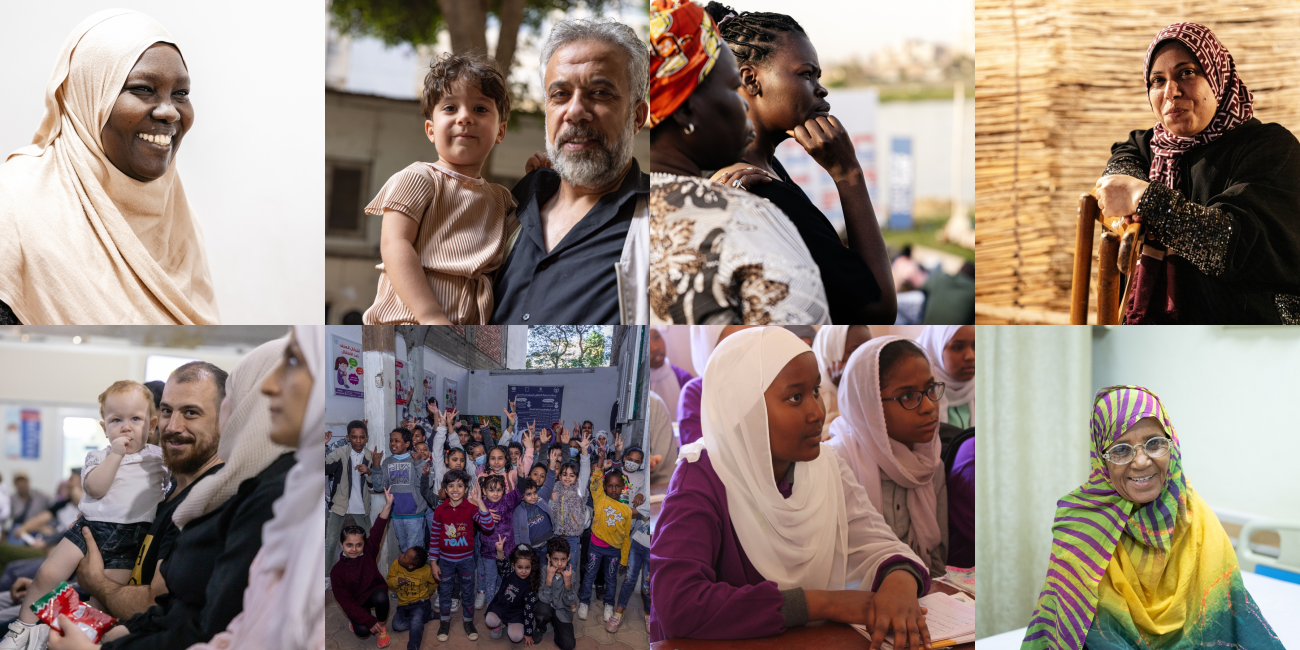
This is the most striking thing about Egypt's approach to the 10.5 million migrants, refugees and foreign nationals, as indicated by the Government of Egypt, who call this country home. No sprawling settlements on the outskirts of cities. No fences marking the boundary between "them" and "us." Migrants and refugees live in the same neighborhoods with the Egyptian families, send their children to the same public schools and visit the same public clinics.
In a world where displacement is often treated as an emergency to be contained, Egypt has made a different choice to invest in the national systems: schools, clinics, legal services, that serve its own citizens, rather than building separate ones. It is a deliberate national choice and the United Nations has been Egypt's partner in advancing this vision.
Recognising the complex situation
Regional crises, and especially the conflict in Sudan, have driven unprecedented displacement influxes toward Egypt, placing additional pressure on national systems that are already overstretched. Egypt is the largest host country for Sudanese displaced populations and has recently become the country receiving the highest number of new asylum applications globally.
“Egypt hosts over a million refugees and asylum seekers, registered with UNHCR, alongside many vulnerable migrants, making the national response on migrants and refugees one of the country's most pressing priorities. I co-chair with the Ministry of Foreign Affairs the Joint Platform for Migrants and Refugees, the only space for dialogue and coordination bringing together Government, UN, development and civil society partners supporting migrants, refugees and their host communities in Egypt,” says Elena Panova, the United Nations Resident Coordinator in Egypt.
Building on, not around
Under the joint leadership of Ministry of Foreign Affairs and RC Panova, the Platform has paved the way for the launch of a flagship initiative: a unified Joint Programme, bringing together UN agencies in support of Egypt’s national response on migrants and refugees, with a growing budget now totaling €21.2 million grant (approximately $24.2 million) from the European Union.
The Programme is implemented by five UN agencies: United Nations Refugees Agency (UNHCR), International Organization for Migration (IOM), World Health Organization (WHO), United Nations Children's Fund (UNICEF) and World Food Programme (WFP), working in close coordination to improve access to health, education and protection services for migrants, refugees and host communities. The Programme responds to urgent needs while strengthening national institutions in the longer term.
While each agency brings a distinct area of expertise, their work is closely integrated, under the coordination of the Resident Coordinator's Office (RCO). A child's access to school depends on their family's documentation status. A family's economic stability shapes whether children stay enrolled or drop out to work. By coordinating through a single Programme rather than five separate ones, the UN ensures these pieces reinforce each other rather than duplicating interventions.
The results speak for themselves. In two years, nearly 1.5 million people have benefited from improved services and support.
Egypt's no-camp policy shapes everything downstream. Because migrants and refugees live within host communities, their access to services runs through the same national systems, which means investing in those systems benefits everyone.
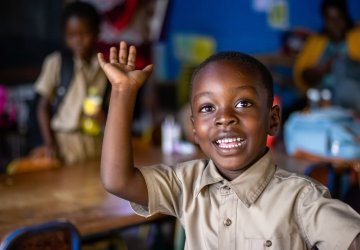
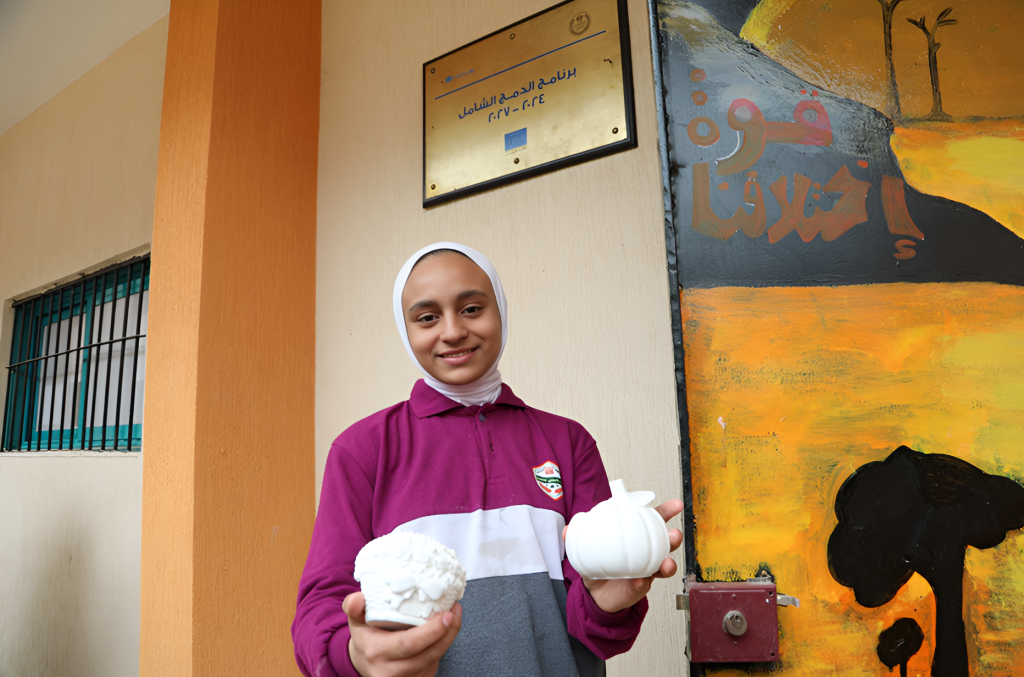
In education, this has meant working with the Ministry of Education to improve educational facilities, strengthen the capacities of educational staff and make schools more inclusive at scale. In 2025, 16 classrooms were constructed, 120 public schools implemented the UNICEF Comprehensive Inclusion Programme, over 162,000 students were reached with education services and 2,500 teachers and education professionals were trained.
For 13-year-old Judy, a host-community student, this support became deeply personal. On her first day in her school’s resource room, a space dedicated for children with special needs, she proudly brought handcrafted plaster creations to display. This classroom showcases how the Programme is creating supportive environments, and community-driven initiatives which bring together refugees, migrants and host community children.
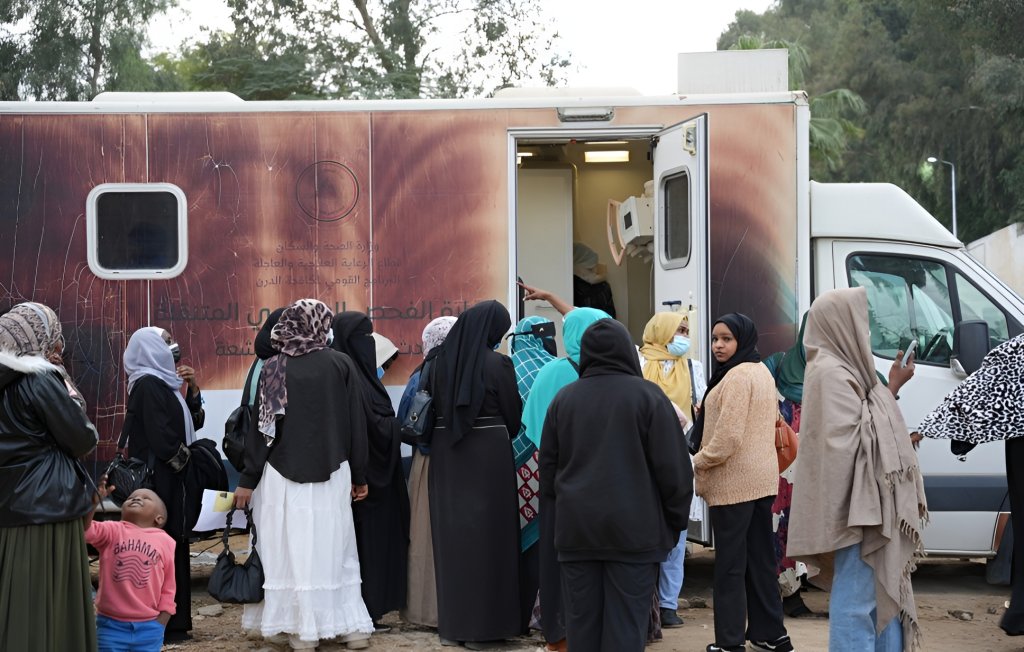
In health, the UN has worked alongside Egypt's Public Health system. Primary healthcare facilities in high-density refugee and migrant areas have received infrastructure and equipment upgrades. 56 Primary Health Units, including 14 hospitals were supported, 2,500 health care practitioners received training and 4,800 healthcare services were provided.
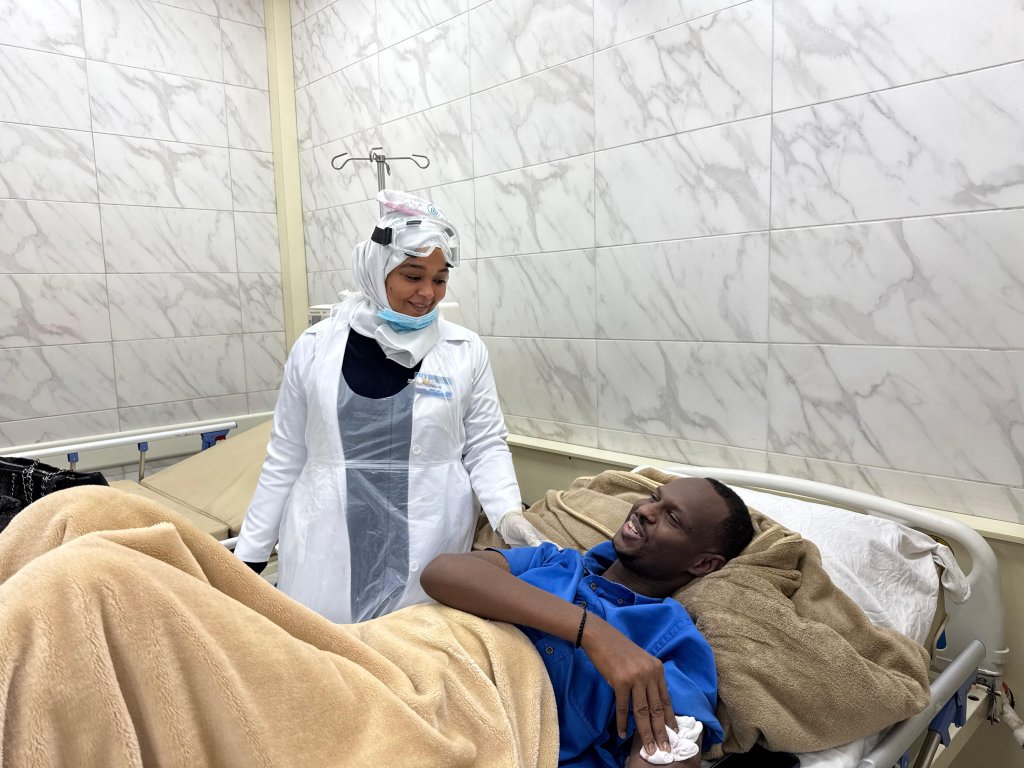
Ali is one of more than 1,800 people who have benefited from life-saving treatment through expanded healthcare expenses coverage. After suffering a stroke and struggling to afford treatment, he was admitted to a public hospital in Aswan, where his condition stabilised. Today, he receives regular dialysis sessions free of charge, allowing him to manage his health with dignity and focus on rebuilding his life.
In protection, 85,200 individuals benefited from services, including child protection, mental health and psychological support, emergency and family reunification interventions. 860 individuals benefited from social cohesion events, bringing migrants, refugees and host communities together.
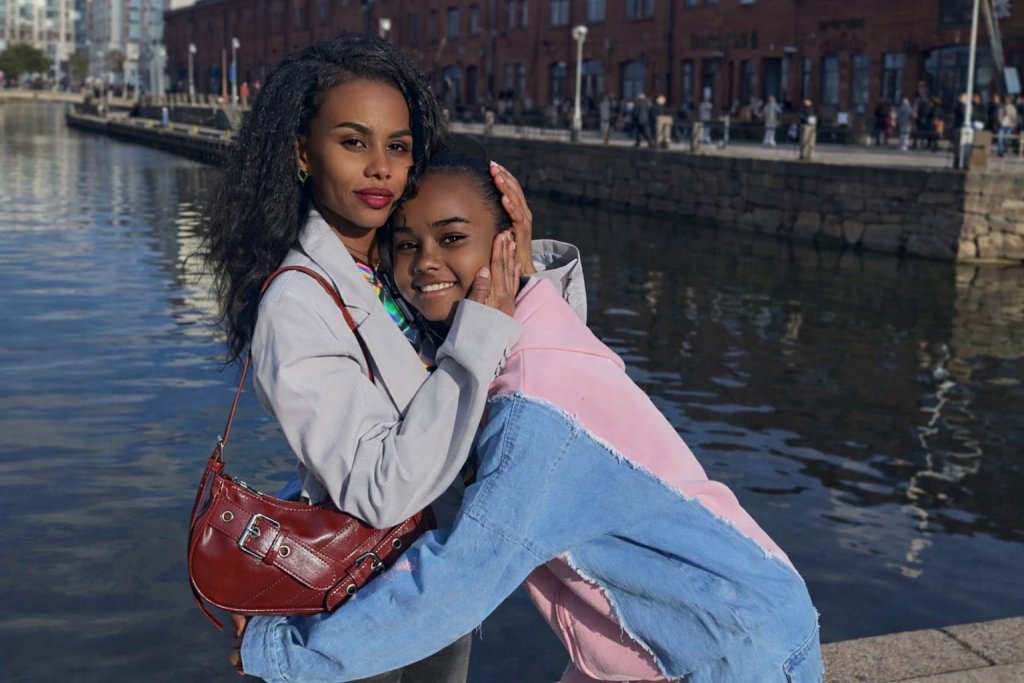
Thanks to the support of the Joint Programme, Lucia, who fled Eritrea when she was a minor, escaping early marriage and leaving her newborn daughter behind, was finally able to reunite with her daughter in Finland through Family Reunification from Egypt, after nine long years of separation, marking a new beginning filled with hope.
In education, health, protection and social cohesion, the approach is the same: improve the system that already exists, rather than build a new one beside it.
More than services
Support to migrants and refugees is at the core of the cooperation between the UN and the Government of Egypt. Since 2023, approximately half of the $575 million delivered under the Cooperation Framework has directly supported migrants, refugees and host communities across the country.
The results achieved so far demonstrate what is possible when humanitarian and development partners work through a shared national framework. Under the leadership of the Resident Coordinator and through the Joint Platform for Migrants and Refugees, the United Nations continues to support Egypt's national response, bringing together government institutions, UN agencies and partners around a common vision. As needs continue to grow, this coordinated approach provides a foundation for scaling support while strengthening the systems that serve refugees, migrants and host communities alike.
Egypt has not solved displacement. No country has. But it has chosen to respond not with camps, but with strengthened national services and inclusive partnerships.
Egypt presented its Voluntary National Review at the 2026 High-Level Political Forum, where SDG 11 on inclusive communities and SDG 17 on partnerships are among the goals in focus. Its no-camp approach offers one example of how those goals can take shape in practice: through shared schools, clinics and protection services, supported by national institutions, the United Nations, development partners and civil society.
Please visit the UN team's website for more information about the UN's work in Egypt.





Latest news and updates