How Jamaica is Rebuilding Without Losing Ground on Development
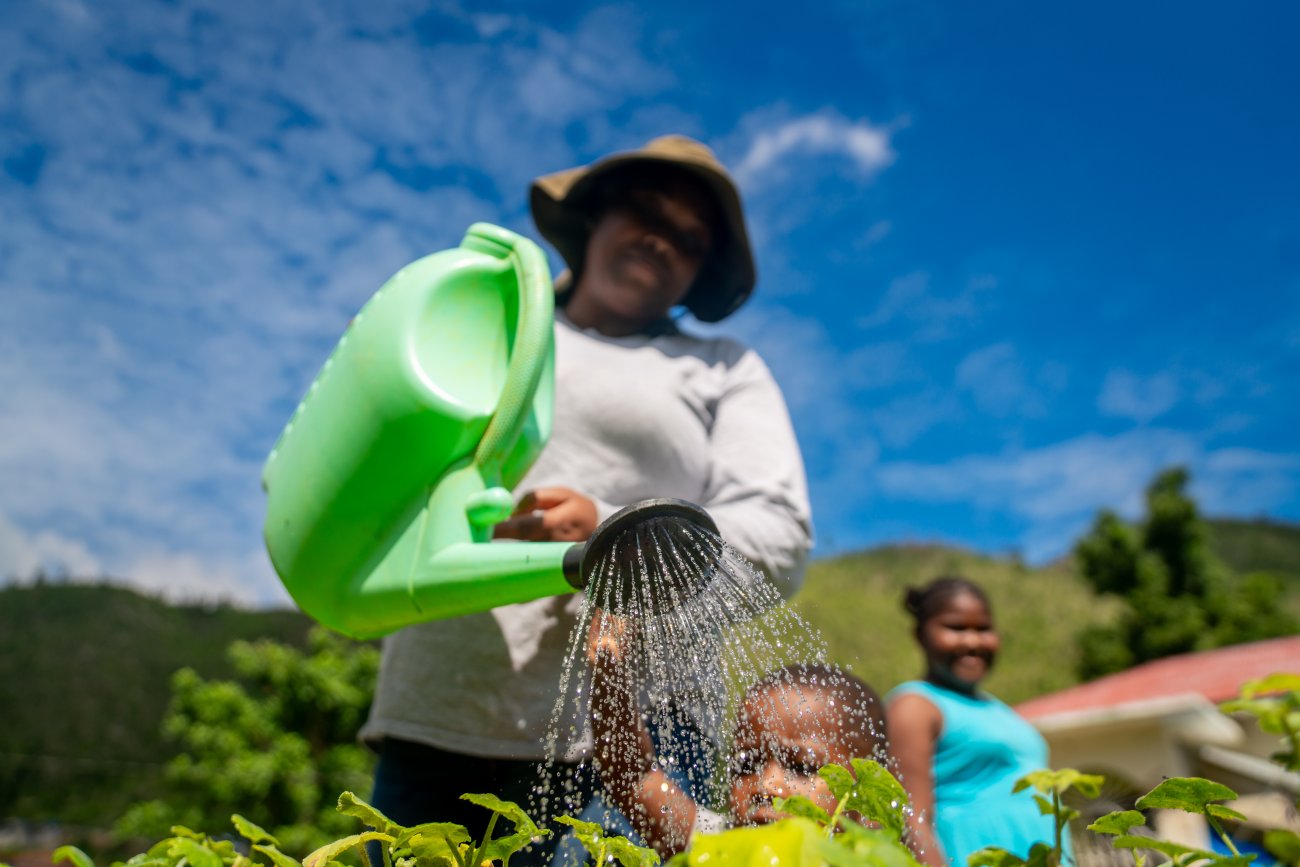
As Jamaica recovers from repeated climate disasters, it is also working to protect development gains, sustain livelihoods and strengthen community resilience in the areas that matter most to people. Economist at the Resident Coordinator’s Office in Jamaica, Stuart Davies, looks at how practical action on food security, green jobs, renewable energy and local resilience is helping communities withstand future shocks.
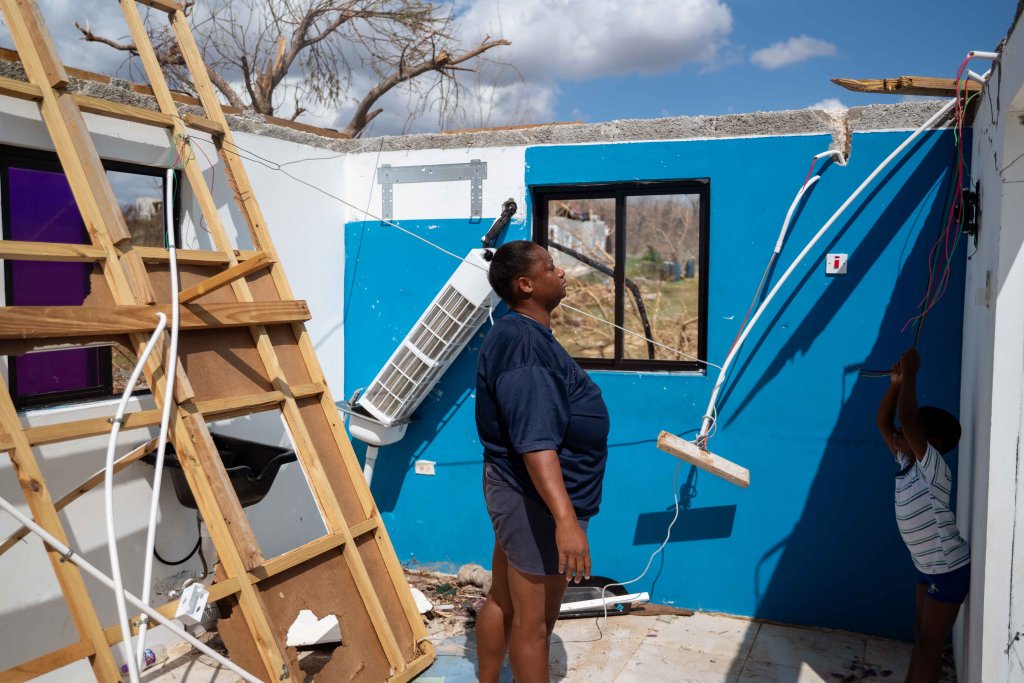
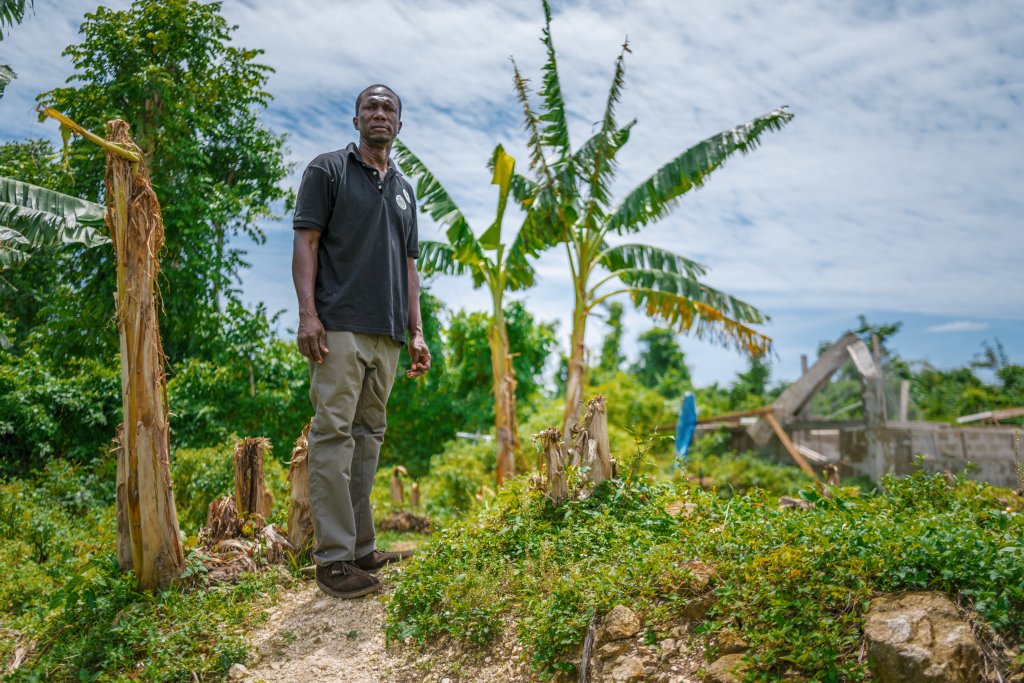
When Hurricane Melissa struck Jamaica in 2025, it left behind losses and damage estimated at J$1.953 trillion (approximately $12 billion), equivalent to 56.7 per cent of 2024 GDP, more than half of everything the country earned in a single year. Combined with the impacts of Hurricane Beryl a year earlier, these disasters tested livelihoods, infrastructure and economy across the island. For many Jamaicans, the consequences were immediate: disrupted incomes, damaged homes and businesses, interrupted services and increased uncertainty about the future.
Yet Jamaica’s story is not only one of recovery. It is also a story of protecting development gains in the face of increasingly frequent and severe climate shocks. As the country rebuilds, it is working to preserve progress, create jobs and strengthen communities while continuing to advance the Sustainable Development Goals (SDGs). The challenge is significant: climate-related losses can erase years of development progress in a single season, while longstanding gaps in areas such as food security, education, water and sanitation, inequality and environmental sustainability still require urgent attention.
Through the leadership and coordination of the Resident Coordinator’s Office (RCO), UN agencies are helping Jamaica strengthen resilience, expand economic opportunities, improve data systems and support vulnerable populations affected by crises. Together, these efforts are helping ensure that recovery is not simply about rebuilding what was lost, but about creating a stronger foundation for sustainable development.
Progress that reaches people
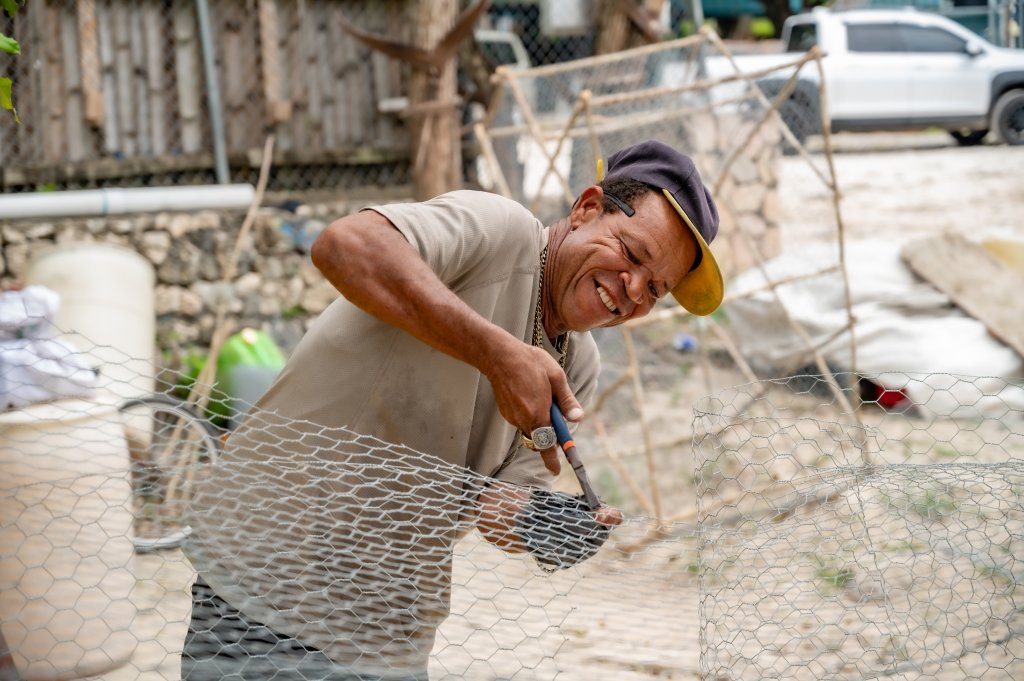
Despite the pressures created by repeated climate disasters, Jamaica continues to deliver results in areas that directly affect people’s lives.
A good example is the country’s work to better understand and address poverty. Through the development of Jamaica’s National Multidimensional Poverty Index, policymakers can look beyond income and identify overlapping disadvantages in areas such as education, health, living standards and employment. This provides a more complete picture of who is being left behind and where support is most needed.
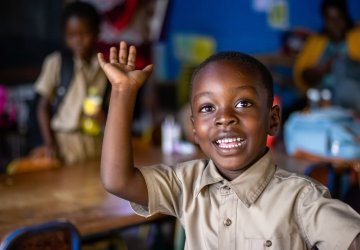
Jamaica is also investing in people through education and skills development, helping young people prepare for an evolving economy. At the same time, progress in environmental conservation, protected areas, forest management and renewable energy is strengthening the country’s long-term resilience. These efforts matter because healthy ecosystems, reliable water, resilient agriculture and cleaner energy all affect livelihoods, food security, tourism and the ability of communities to withstand future shocks.
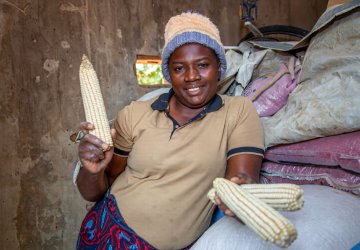
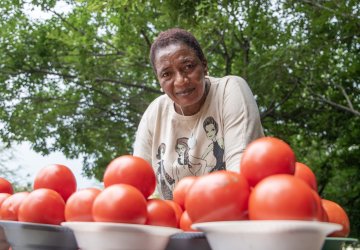
Climate action is also creating new economic opportunities. Climate Promise of the United Nations Development Programme (UNDP) has helped strengthen Jamaica’s updated Nationally Determined Contribution, advance climate-smart agriculture and explore how green growth can create jobs. Work by UNDP and International Labour Organization (ILO) has identified the potential for up to 7,500 new jobs in green industries, agriculture and tourism. Food and Agriculture Organization (FAO) supported gender-responsive, climate-smart agriculture activities, helping link climate resilience to food systems and rural livelihoods.
Communities at the centre of development
Some of the strongest examples of resilience are happening at community level.
In Northern Clarendon and West Kingston, the UN Human Security Programme supported more than 43,000 residents through initiatives that combined improved water and sanitation services, livelihood support, climate adaptation measures and strengthened local governance. Rather than addressing challenges individually, the programme brought together multiple interventions designed around the realities communities face every day.
Following Hurricane Melissa, UN Women and United Nations Population Fund (UNFPA) worked with national partners to address gender-based violence in emergencies, including through risk-awareness sessions and relief support for affected communities. This matters because resilience is not only about roads, buildings or financing. It is also about dignity, safety and rights when people are most vulnerable.
Better data, better decisions
The ability to recover effectively depends on understanding where needs are greatest and where progress is being made.
With support from the United Nations, Jamaica has strengthened surveys, census processes, administrative data systems, SDG indicator platforms and digital dashboards. These tools provide decision-makers with better evidence to target resources, monitor results and identify emerging challenges. Reliable data helps ensure that policies are shaped by realities on the ground and that development efforts reach the people and communities that need them most.
Taking stock and planning the way forward
Jamaica’s third Voluntary National Review (VNR), presented at the 2026 High-Level Political Forum, provides an opportunity to take stock of this journey. A VNR can sound technical, but at its heart it is simple. It is a country telling the world: here is what we set out to do, here is what actually happened and here is what still needs to change.
For Jamaica, this means recognising progress in areas such as poverty reduction, education, environmental conservation and renewable energy, while acknowledging that challenges remain. Food security, water and sanitation, inequality, sustainable cities, life on land and stronger institutions continue to require attention if the country is to achieve the SDGs by 2030.
The review also highlights many of the lessons that have emerged throughout Jamaica's development journey in recent years. Progress depends not only on investment and policy reforms, but also on strong partnerships, reliable data and solutions that respond to the realities people face in their daily lives.
For a small island developing state like Jamaica, sustainable development is never a straight line. It is built, tested and rebuilt again and again after every shock. As Jamaica looks ahead, the focus remains on creating opportunities, strengthening communities and ensuring that development gains translate into lasting improvements in people's lives.
Please visit the UN team's website for more information about the UN's work in Jamaica.





Latest news and updates