Leaving Something Behind: From Emergency Aid to Sustainable Development in the DRC
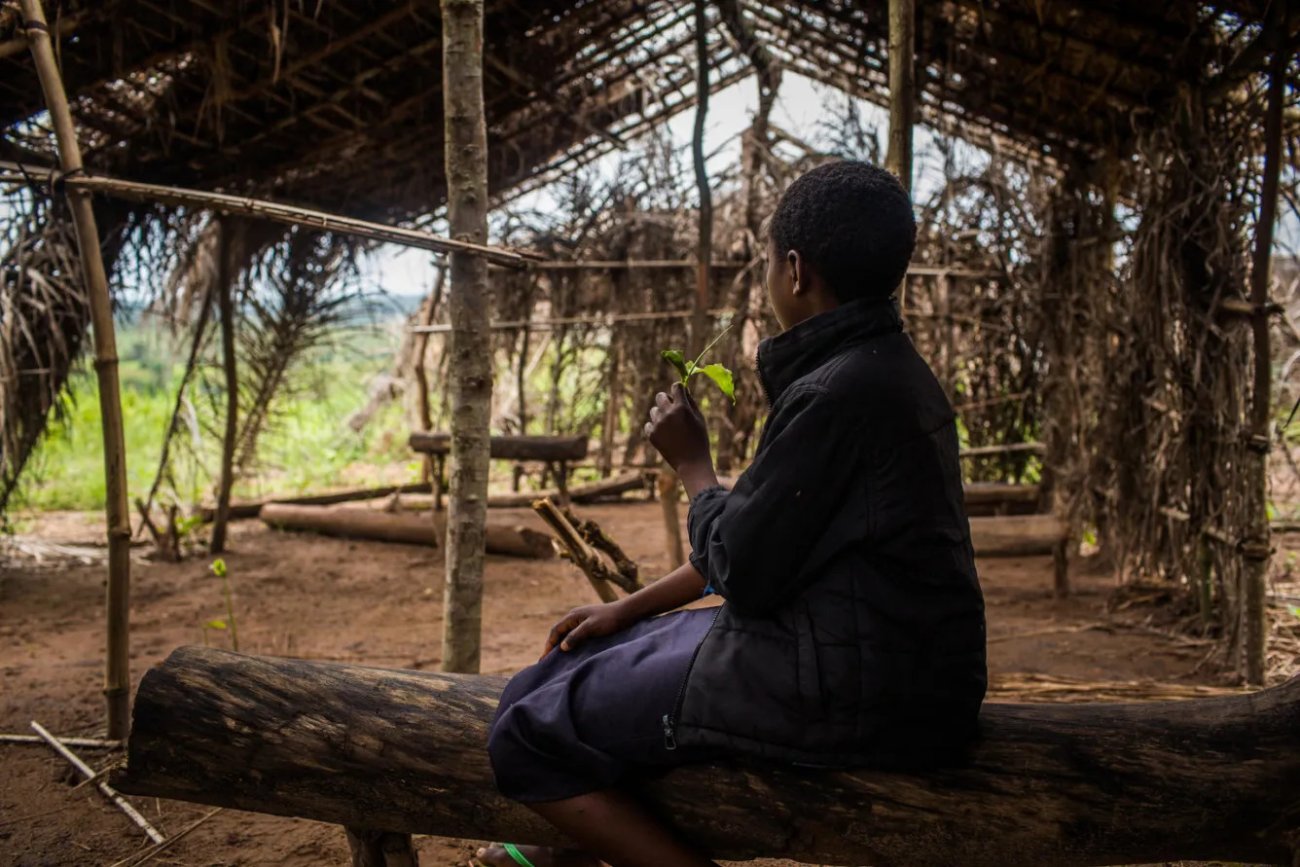
Bruno Lemarquis, the out-going DSRSG/RC/HC in the Democratic Republic of the Congo and the in-coming DSRSG/RC/HC in Afghanistan, outlines four opportunities to move from immediate emergency aid to sustainable development. The UN is committed to collaborating with national and international partners to connect humanitarian, development and peace efforts amid funding constraints.
The Democratic Republic of the Congo (DRC) continues to face complex and connected political and security challenges, as well as one of the most severe and protracted humanitarian crises globally, mostly driven by conflict.
There are currently close to 6 million internally displaced people, and 4.3 million returnees.
It is also facing its 17th Ebola epidemic, which so far has infected at least 1,094 people and caused at least 277 deaths across three provinces as of 23 June.
The humanitarian response is taking place against the backdrop of an unprecedented global humanitarian funding crisis starting in 2025, which severely affected the DRC. The drastic reductions in assistance and humanitarian aid have posed a genuine challenge in providing emergency relief to the most affected communities. So, where is the opportunity?
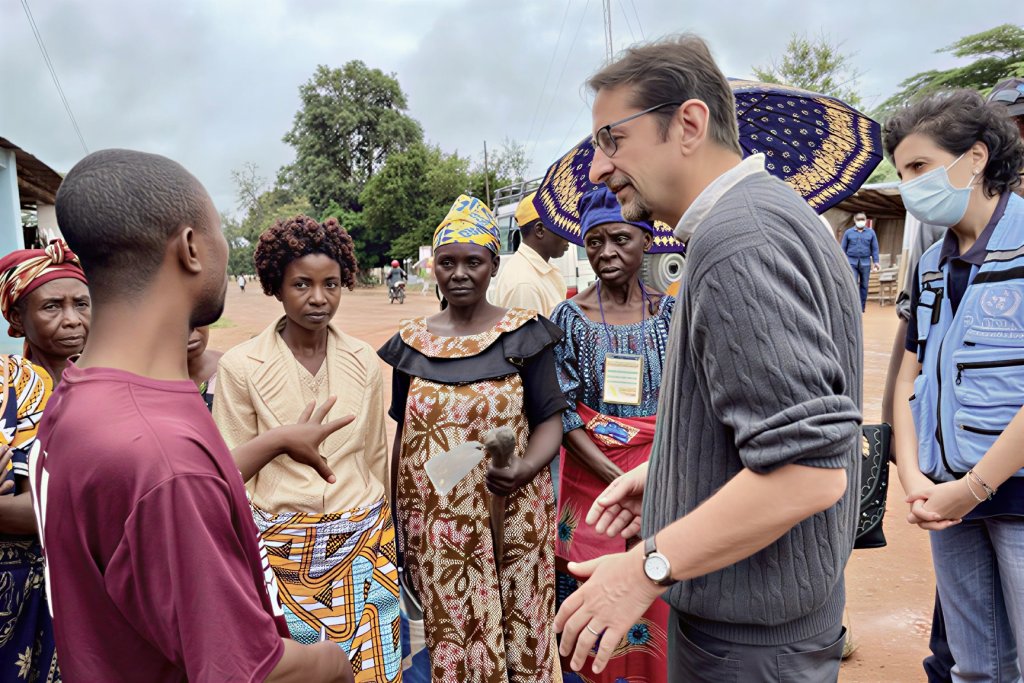
During my tenure as Deputy Special Representative of the Secretary-General, Resident Coordinator and Humanitarian Coordinator, I have visited countless communities eager to build a future for themselves.
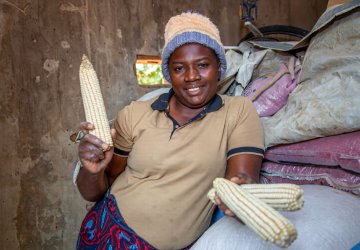
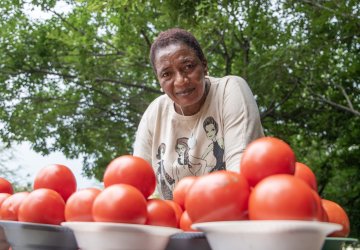
Instead of receiving food as assistance, they wanted to grow their own.
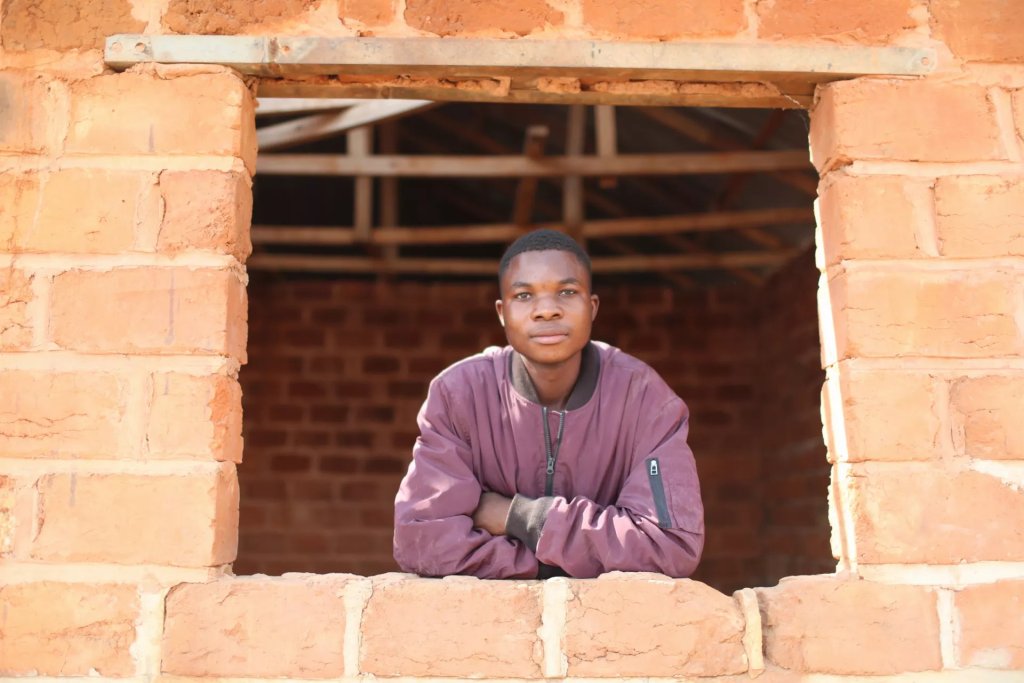
Instead of seeking cash handouts, men and women aspired to learn a trade. Families were eager to leave shelters and build their own homes.
The entrepreneurial spirit and the desire for self-sufficiency are alive and well in the DRC.
For the United Nations and development partners, the need of the hour is to respond with urgency, shifting towards a new approach that reduces short-term humanitarian needs and increases the impact of long-term development support, by working simultaneously on several fronts.
Four opportunities:
First, through the primacy of politics and the importance of political and diplomatic solutions to silence the guns. I place our hope in the ongoing peace processes, with hope that the reality on the ground will converge with the commitments made. I call upon all parties to the conflict to honour their pledges and bring an end to the intolerable suffering of the affected populations.
Second, by tackling the underlying causes of conflict and vulnerability tirelessly through a coalition of actors. These ‘Gordian Knots’, such as access to resources and land, the exploitation of natural resources and illicit financial flows can only be resolved with the engagement of all partners.
Third, through enhanced efforts in prevention, anticipation and risk reduction, for both conflicts and disasters. This focus on prevention is not a given in conflict-affected countries because crisis response dominates. Yet investing in prevention is investing in a resilient future.
As an example, at the beginning of the year, the Government and UN took a step in this direction by launching the Early Warnings for All initiative, aiming to reduce disaster losses through improved preparation and early warning systems.
Finally, by weaving the humanitarian, development and peace nexus at scale, which contributes to a paradigm shift. Humanitarian action cannot be carried out in isolation: it must be closely coordinated with development and peace actors and embedded in sustainable solutions.
A shift towards lasting impact
The UN Country Team has been putting this in practice, collaborating with national and international partners.
First, a focus on impact and a more deliberate approach to provide policy advisory support, with an emphasis on key transformational public policies and on the underlying drivers of conflict.
For example, the UN supported the Government to develop the national disaster risk management policy for the period 2025-2050, which aims to integrate risk management into every plan, project and public decision. This policy is a strategic lever for placing resilience at the heart of public action, aligning with regional and international commitments. It emphasises the importance of prevention over response, and investing public resources and international aid wisely to build a future free from disasters.
The full breadth of the UN’s specialised agencies and expertise is being leveraged in priority sectors, such as mining governance, disaster risk prevention, security sector reform and the fight against impunity upon request from the Government and national partners. This will support the DRC in unlocking its potential and future funding opportunities.
In fragile contexts there can be a tendency to bypass the State, which only reinforces its weaknesses. The UN and the Resident Coordinator’s roles have been key to ensuring that all development partners are aligned to deliver on national priorities for greater impact. With UN support, the Government is now setting up a political forum that will bring together development partners for enhanced collaboration.
When connecting humanitarian, development and peace efforts, we supported two priorities: putting the Government at the centre in a leadership and coordination role, and moving at scale away from a project-by-project approach and supporting the formulation and operationalisation of provincial solutions. This had not been the case previously. This shift has not only improved immediate living conditions but also laid the groundwork for durable peace and inclusive development at all levels of society.
A Government-led forum, chaired by the Minister of Planning and co-chaired by the Resident Coordinator’s Office, has recently been established, which will bring together key national and international partners to turn the humanitarian, development and peace nexus agenda into action.
The DRC is also one of the first countries working with the UN Peacebuilding Fund to adopt a five-year results framework that will enable more coordinated data collection, guide the design of future peacebuilding projects and channel more investments in the long run.
Ensuring that results trickle down from the highest levels nationally to communities, we also supported provincial governments in Ituri and Tanganyika to develop their own strategies for durable solutions, under the leadership of their governors.
Looking past emergencies
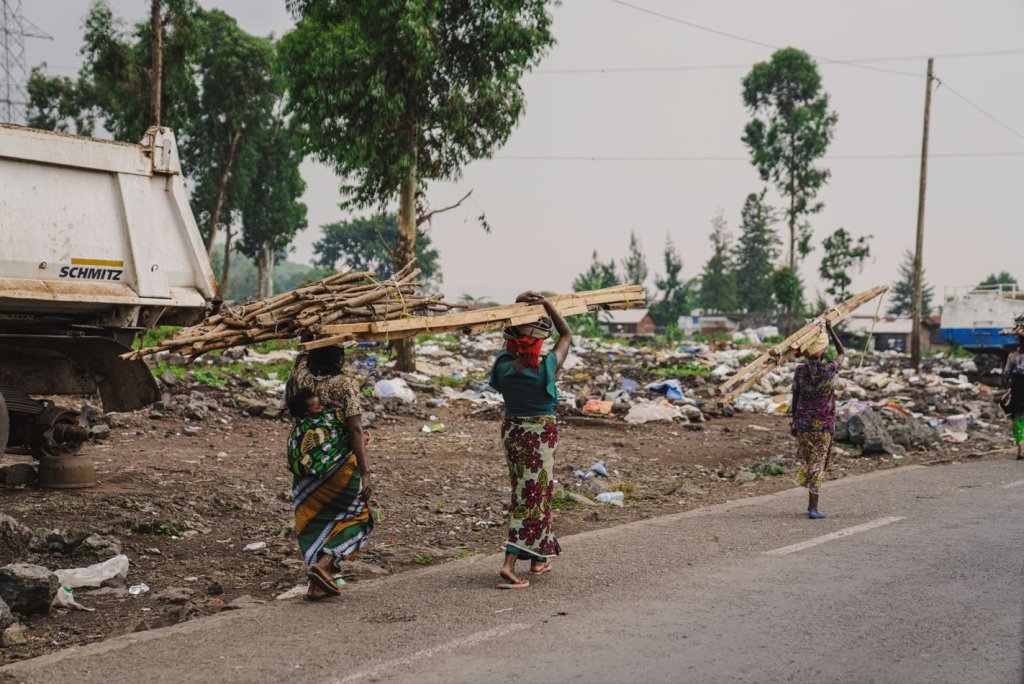
Most recently, the current Ebola outbreak in the DRC has been a test for the UN and its partners alike. As out-going Resident and Humanitarian Coordinator, I advocated for a connected approach to ensure that our actions are not only an emergency intervention, but a response that leaves something behind: stronger national systems and durable investments. Too often in the DRC, the response to epidemics is essentially an emergency response, whereas these epidemics are recurring and also require responses based on the strengthening of national systems and community mechanisms.
The world is facing a massive decline in humanitarian funding. The need for stronger partnerships with International Financial Institutions is greater than ever. There has been significant progress on these relationships with the UN, with a clearer focus on policy alignment, advancing reforms and combining the respective advantages. This has been key to mobilising funds for prevention and resilience, such as through the Prevention and Resilience Allocation (PRA), as part of the World Bank’s Fragility, Conflict and Violence (FCV) Envelope.
I will look back on my time in the DRC with hope and humility; I experienced a country endowed with vast natural resources, stunning landscapes and communities committed to a better future for themselves.
Even more so, I saw potential even bigger than the challenges facing its people. Crucially, I have witnessed a country that is breaking the cycle of reacting and responding, and moving towards resilience and development.
This blog was authored by Bruno Lemarquis, the out-going DSRSG/RC/HC in the Democratic Republic of the Congo and the in-coming DSRSG/RC/HC in Afghanistan. Please visit the UN team's website for more information about the UN's work in the DRC.





Latest news and updates