In Moldova, Data is Reshaping Community Planning
With Moldova presenting its 2026 Voluntary National Review at the High-Level Political Forum last week, its experience shows how better demographic data can help towns and villages build more inclusive, sustainable communities, advancing the aims of SDG 11.
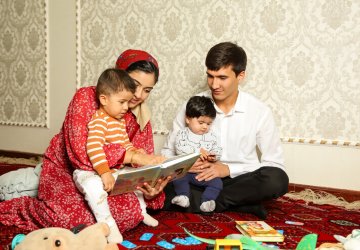
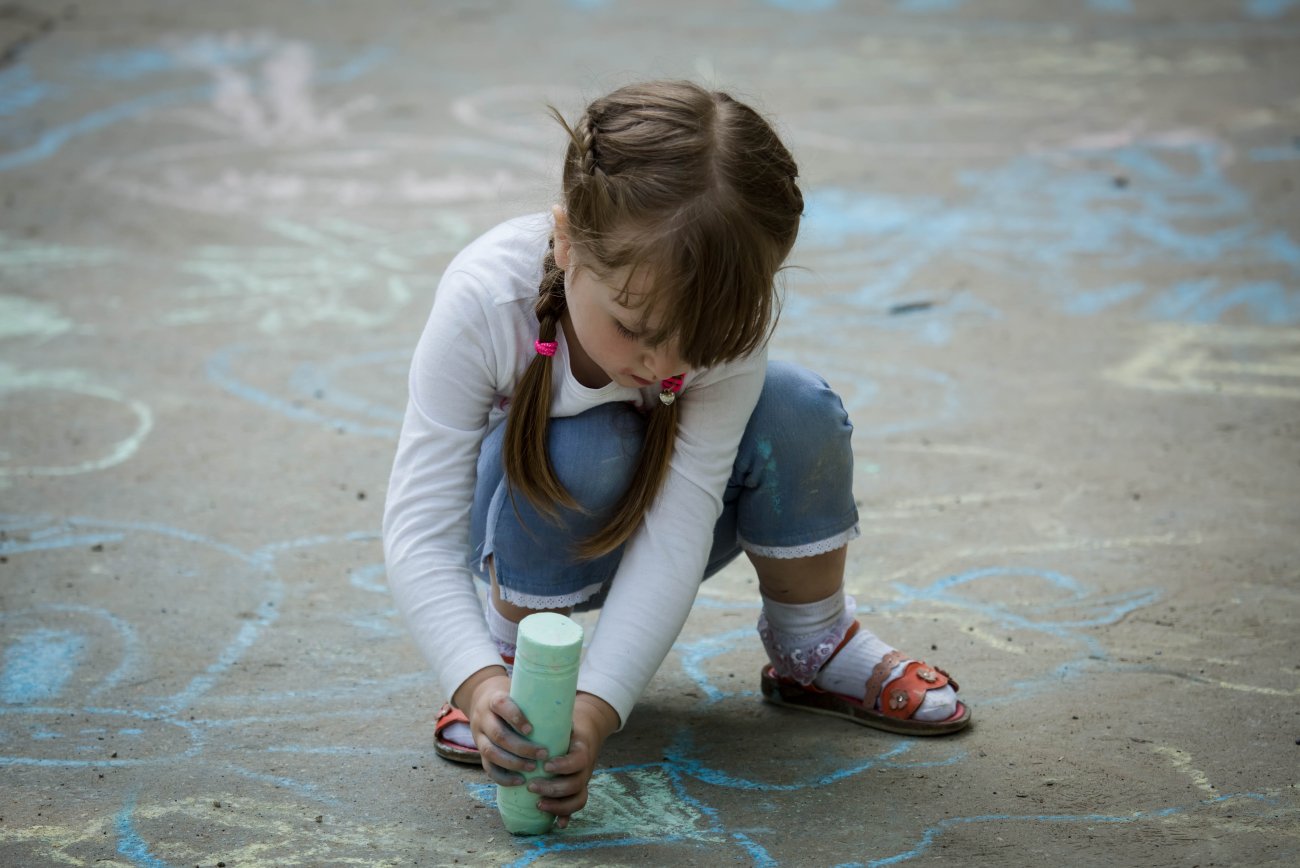
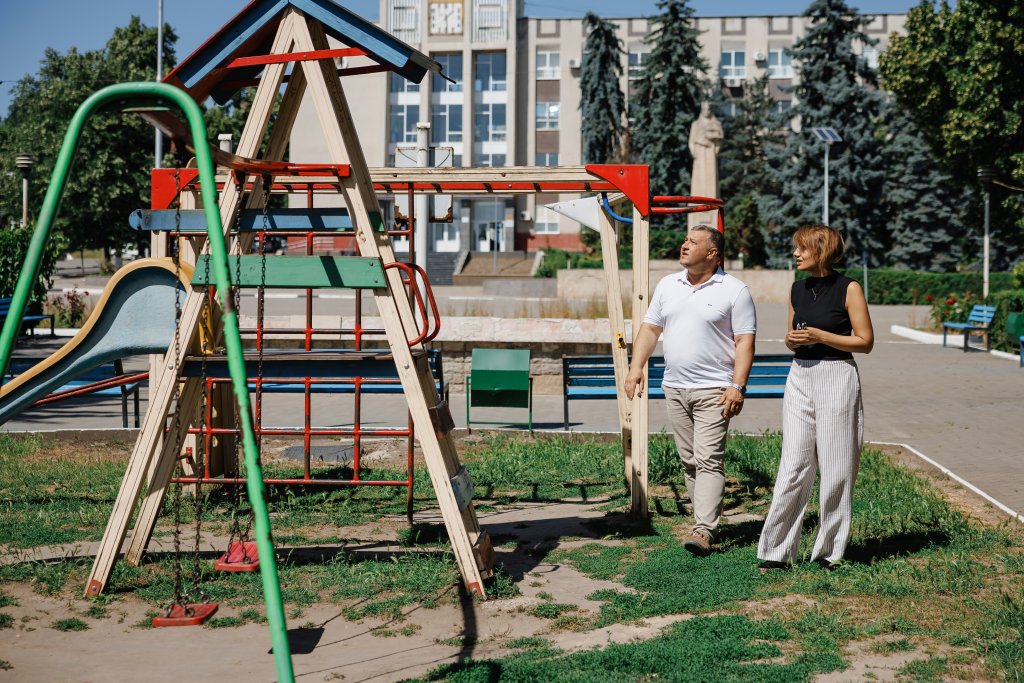
For years, Kindergarten No. 4 in Nisporeni sat empty. Now, it could become* something many families need but cannot easily access: a community centre offering speech therapy, psychology, neurology, an inclusive kindergarten and a dedicated “Respiro” space where parents of children with disabilities can get support of their own.
For a child with special educational needs, that could mean receiving support closer to home. For parents, it could mean having a place to turn for guidance and respite. For the municipality, it could mean transforming an unused public building into a service hub shaped around real community needs.
More than 120 communities, half a million people
Nisporeni is one town in a much larger story.
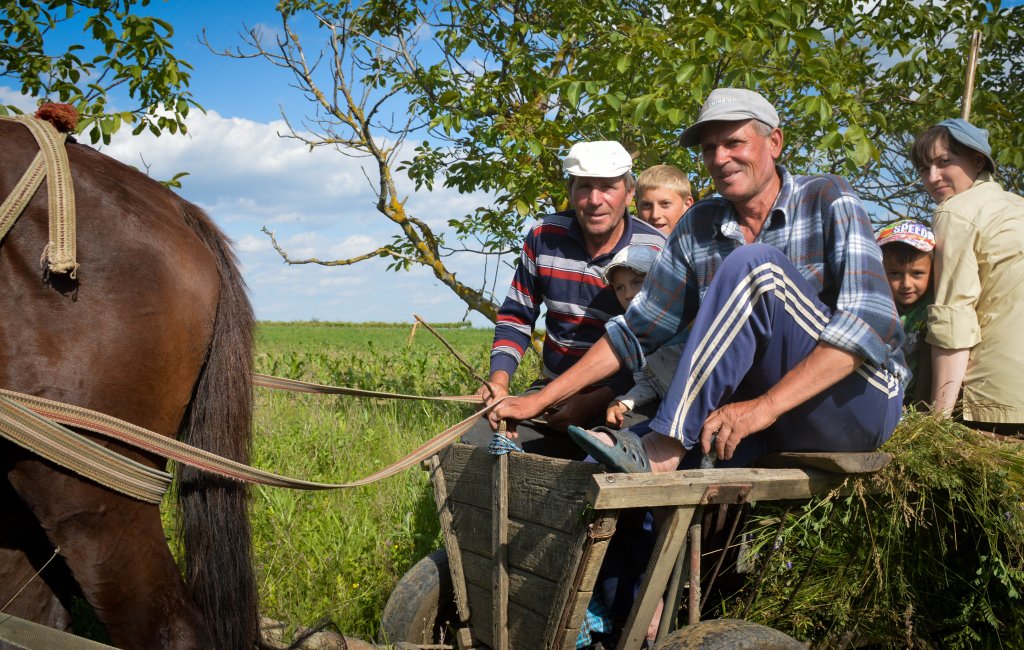
Across the country, communities are implementing inclusive development initiatives with support from the UN Development Programme (UNDP), led by hometown associations in collaboration with local authorities. These achievements build on years of partnership between local authorities, communities and UN agencies, and have already improved living conditions in more than 120 communities across Moldova, benefiting over 500,000 people. The results are clear:
- In Cotiujenii Mari, a new day centre now supports older residents.
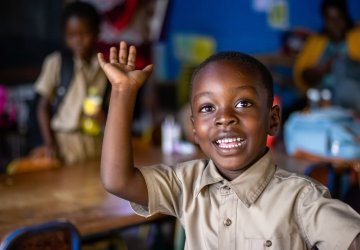
- In Sărata Veche, children with special educational needs have access to expanded therapy and education services.
- In Nimoreni, 400 new waste containers have improved sanitation for the whole community.
- In Sipoteni and Puhăceni, new accessibility ramps help people with disabilities, parents with strollers and older residents move through their communities on equal footing.
Taken together, these examples show why demographic change cannot be addressed through isolated sectors. A community that is aging, losing young people or seeing families move abroad needs more than a single service. It needs better data, stronger local institutions, investment-ready projects, community participation and continued links with migrants and diaspora networks.
How can towns plan services without the data to know who needs them?
However, in Moldova, local authorities were left to find solutions and plan services based on estimation rather than evidence. For example, Nisporeni has no data of its own on children with special educational needs; the only figure available is regional.
But this all changed in 2024, with a UN-backed national breakthrough. With UN Population Fund (UNFPA) support, Moldova’s Government institutionalised demographic forecasting, so population projections are now produced every year nationally and every three years locally – giving municipalities, for the first time, real numbers to plan around instead of relying on guesswork.
As a result of UNFPA support, in 2026, Nisporeni local authorities and other selected communities revised their local development strategies to integrate population projections and better align budgeting and services with the real needs and demographic structure of their populations. Nisporeni’s longer-term goal is a full demographic monitoring system that combines administrative records, GIS (Geographic Information System) maps and AI-powered analysis to target investment opportunities for the town.
Coordination behind the results
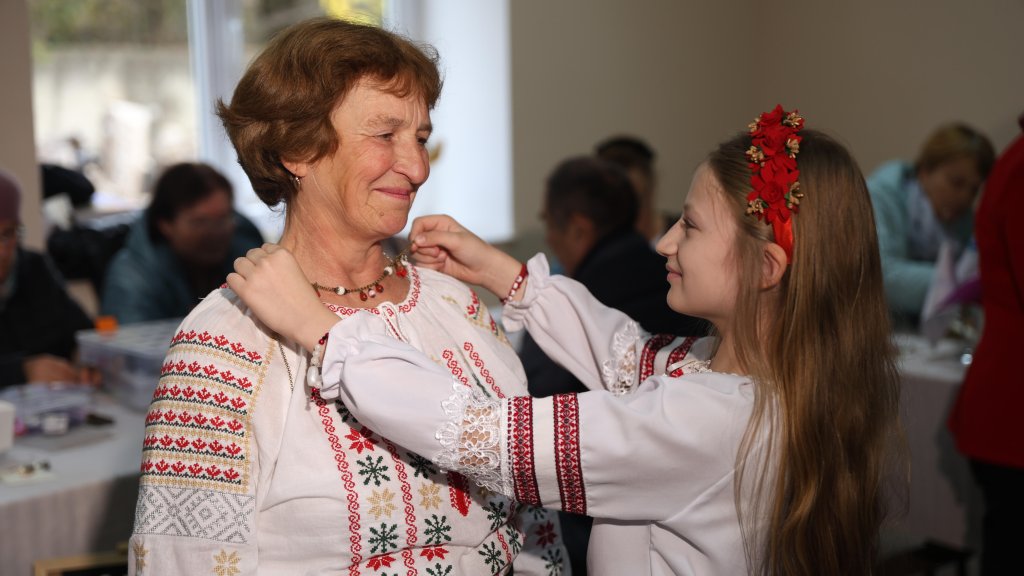
None of these outcomes have been from a single solution. They are a result of several tracks moving in parallel, run by different partners, converging on the same communities.
The same local challenge can appear as an education issue, a health issue, an accessibility issue, a migration issue or a financing issue, depending on where it is seen from. By connecting these fronts, the UN system can help national and local partners avoid fragmented responses and build solutions that reinforce one another.
The UN Resident Coordinator’s Office in Moldova brings together UN agencies across the country so their work supports national priorities set by the Moldovan Government, helping turn data on demographic change into coordinated action for communities.
For example, under the Swiss Cooperation Office’s “Moldova – Making the Most of Migration” programme, UNDP and UNFPA work with the State Chancellery, the Bureau for Diaspora Relations, the Congress of Local Authorities from Moldova and the Alliance of Hometown Associations to support local authorities and hometown associations with demographic data, community grants, capacity building and improved migration coordination.
Why do these efforts matter beyond the small town in Moldova?
In Moldova, the use of demographic forecasting and community-driven planning demonstrates how coordinated action can help address development challenges. This is one of the many important lessons Moldova brought to the table at the 2026 High-Level Political Forum when presenting its Voluntary National Review. Especially on SDG 11, which calls for sustainable cities and communities that work for the people who actually live in them.
A father in Nisporeni can plan for his daughter’s therapy. An older resident in Cotiujenii Mari has somewhere to spend their afternoons. A parent safely pushes a stroller down a ramp in Sipoteni.
Multiplied across more than 120 communities and half a million people, this is what the shift from assumption to evidence looks like in practice. By bringing together national institutions, local authorities, communities, diaspora networks and support from international partners and the UN development system, the country is building a model in which decisions are guided by evidence, shaped by citizens and focused on delivering lasting results for people.
*Footnote: a $15,000 UNFPA grant is financing a feasibility study and technical documentation essential for accessing future national and European funding to transform the former kindergarten into a multifunctional centre.
Please visit the UN team's website for more information about the UN's work in Moldova.





Latest news and updates