Sri Lanka Builds Digital Safeguards in the Face of Crisis
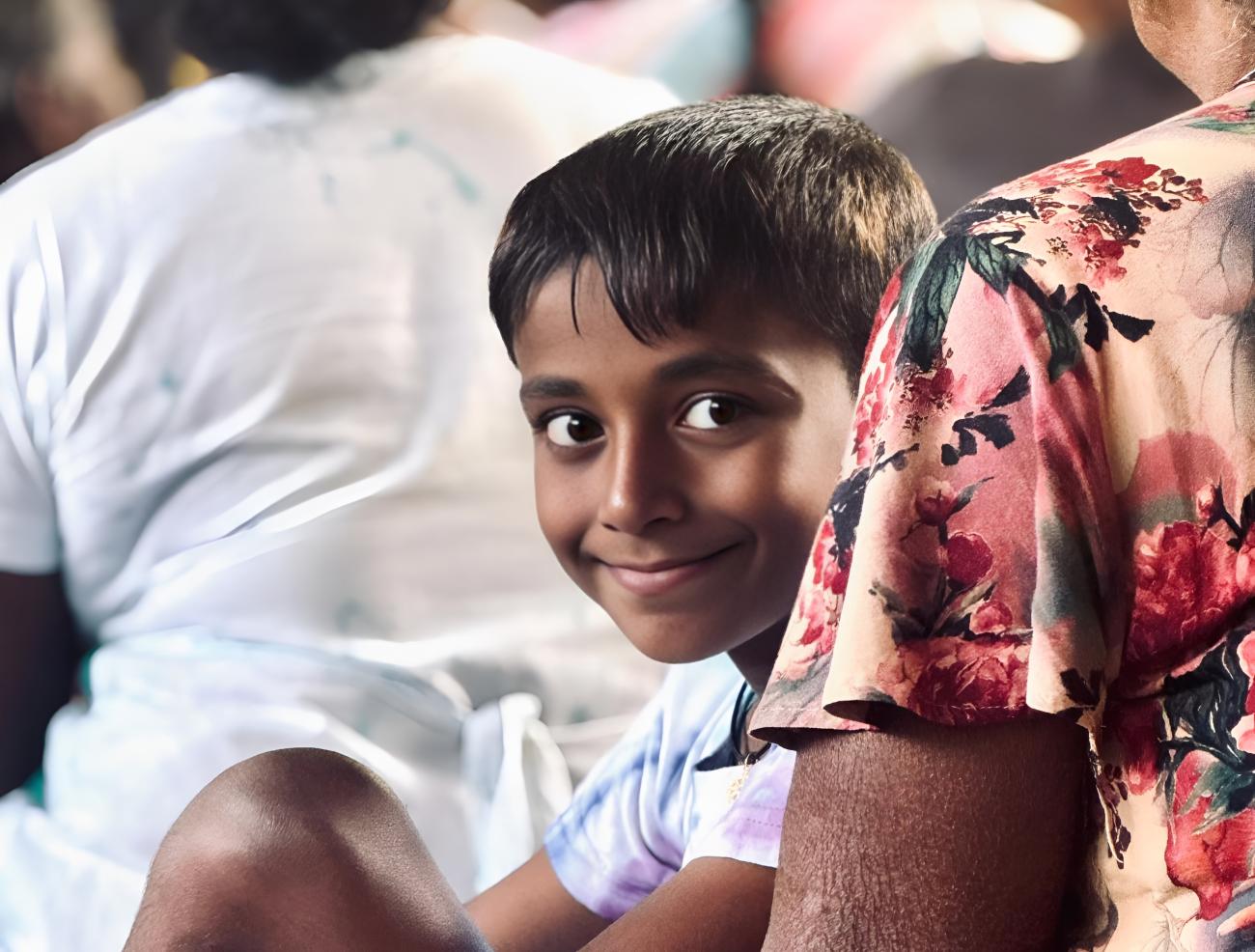
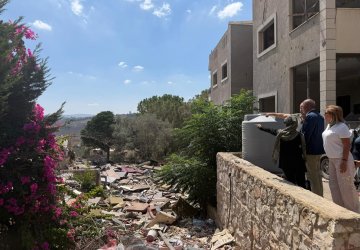
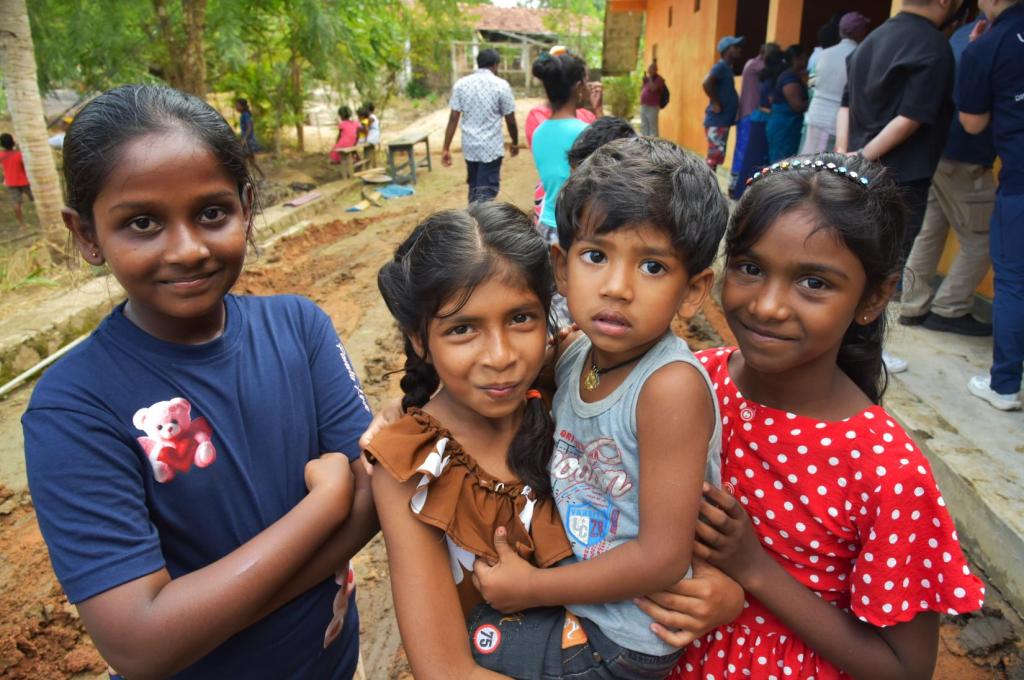
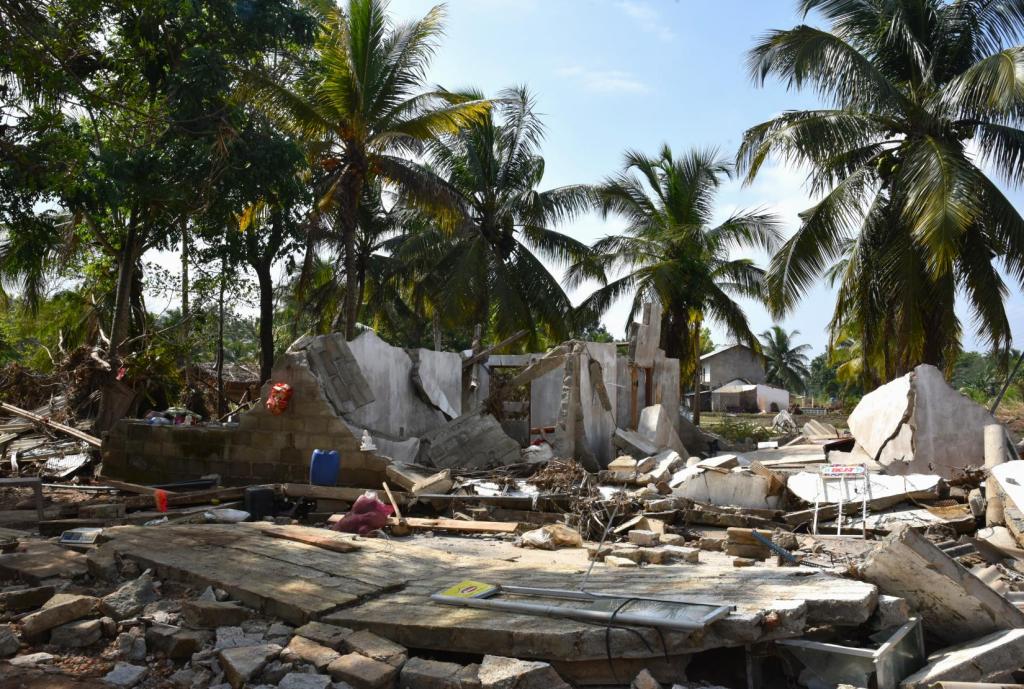
When Cyclone Ditwah swept across Sri Lanka in November 2025, it left a trail of destruction in its wake, damaging homes, disrupting livelihoods and displacing communities. The cyclone impacted approximately 2.2 million people, with 646 reported deaths and 173 individuals missing. Amid floods and landslides, many families were left with nothing but the clothes on their backs.
They lost identity documents, including birth certificates, marriage registrations and other civil registration records. In other words, the documents that prove who they are. Without legal records or proof of identity, many were unable to access relief or bank accounts, verify property ownership and parenthood, or retrieve other official documents.
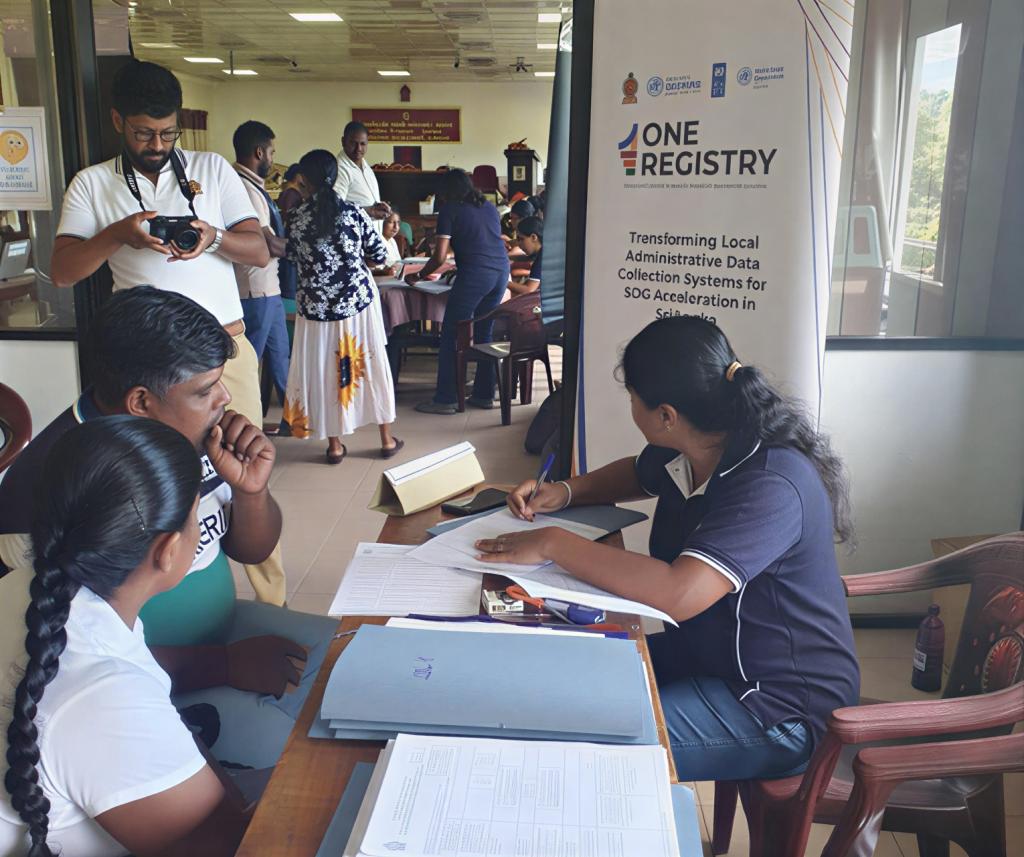
Within weeks, mobile clinics with temporary registrar offices were set up in affected areas across Sri Lanka. At these service points set up in schools, temples and community centres in the crisis areas, officials used the Registrar General Department’s Electronic Birth, Marriage and Death (e-BMD) system to issue replacement documents for several flood-impacted people. High-capacity printers hummed as critical identification and other official paperwork were provided on the spot. The initiative turned what could have been a lengthy administrative process into a much simpler one, offering a much-needed lifeline and access to essential support documents.
From crisis to digital access
This rapid response was made possible through the UN Joint Programme, “Transforming Local Administrative Data Collection Systems for SDG Acceleration Sri Lanka,” known as OneRegistry. The programme supports Sri Lanka in digitising its civil registration system, making it easier to store and retrieve essential records.
Financed by the UN Sri Lanka SDG Fund with support from the Government of Canada, the European Union, the Government of the United Kingdom, the UN Secretary-General’s Peacebuilding Fund and the Joint SDG Fund, the initiative is implemented by the United Nations Development Programme (UNDP) and World Health Organization (WHO) under the leadership of the Resident Coordinator’s Office (RCO), working closely with Sri Lanka’s Registrar General’s Department.
As part of the emergency response after the cyclone, OneRegistry supported the Registrar General’s Department by providing laptops, printers and satellite Internet connectivity, allowing mobile service clinics to operate across affected districts. These clinics have already restored vital documents for over 3,600 people, ensuring that families can access immediate aid.
UNDP supports Sri Lanka’s digital transformation by strengthening its tech systems through, for example, working with the Government on developing its National Digital Strategy. At the same time, WHO improves how key data is collected and analysed to meet international standards. The RCO plays a key advocacy role, bringing together Government and development partners while co-chairing the Joint Programme’s steering committee alongside the Government, helping guide the overall direction.
This commitment to collaboration was clear early on, when UNDP and WHO hosted three design sessions in March 2024 with the Government as part of the programme’s co-design process. Bringing together 19 ministries and departments, the sessions marked the first time such a wide range of Government agencies met to shape Sri Lanka’s digital transformation. The proposed programme design received endorsement from the Government, signalling a unified commitment to its implementation.
More than paperwork
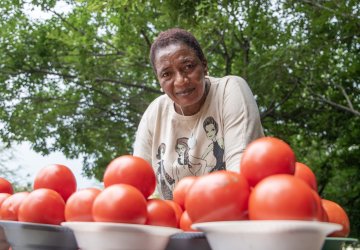
The programme has made a big difference for locals like Arna Silva, who once dreaded spending hours replacing documents while navigating an already strained system.
Her experience at the clinic showed her that digital transformation is not just about technology. It improves how the Government connects with its citizens while making public services more efficient and better tailored to their needs. Even with basic phone literacy, she now views secure digital records as the way to guarantee that critical documents are not lost in the next disaster.
As Priyadarshani, a local Government Officer in Puttalam District, explained, “The goal is to allow everything to be completed through a mobile phone,” sparing families long and costly journeys to access documents.
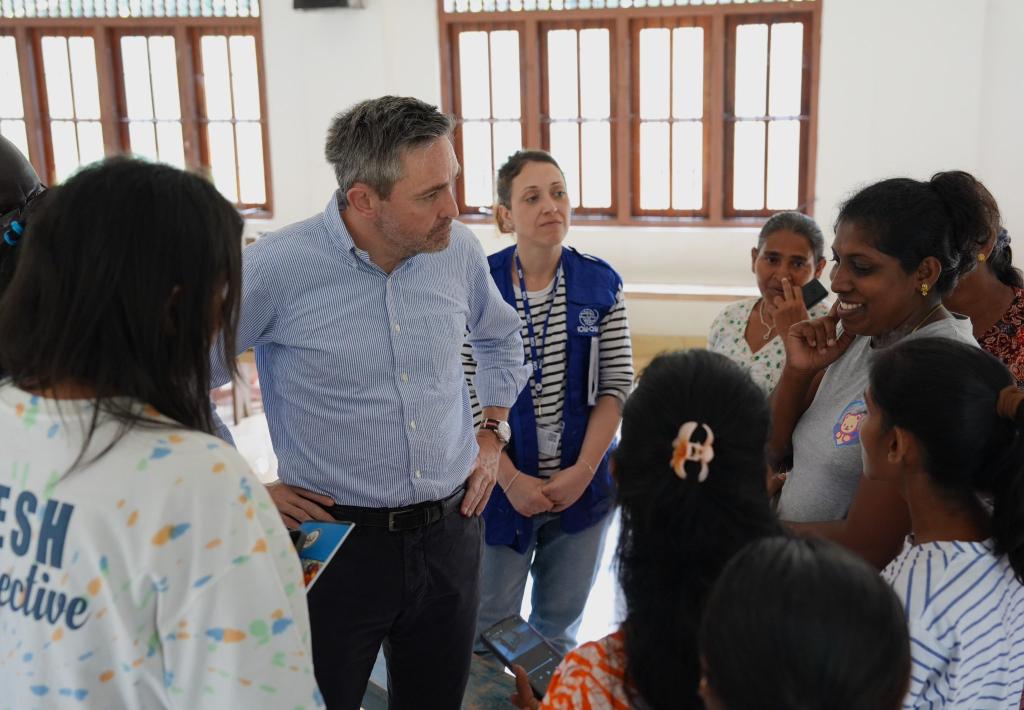
In districts such as Badulla, where thousands were affected, the UN Resident Coordinator in Sri Lanka, Marc-André Franche, met families who had recovered their documents through mobile clinics supported by OneRegistry. “When a family loses everything in a disaster, the loss of identification documents can feel like losing their identity itself,” he said. “These pieces of paper are not just bureaucratic formalities. They are the keys that unlock access to relief, to banking, to education and to the very right to be recognised.”
In the wake of Cyclone Ditwah, OneRegistry proved that digital transformation does more than modernise systems. It ensures no one is left behind by supporting access to services, identity verification and disaster recovery.
A new type of efficiency
As infrastructure improves and staff training continues, the Joint Programme is laying the groundwork for records to be securely accessed across Government systems, once fully implemented.
In the future, Sri Lankans will not need to wait for a special mobile clinic to arrive after a disaster. Instead, any authorised Government touchpoint will be able to access these records instantly. The goal is to make faster services the norm, where a 50 per cent reduction in processing time becomes standard practice, not an exception.
But these improvements are only valuable so long as their impact is felt on the ground. For this reason, UN Resident Coordinator Marc-André Franche engaged directly with women in the community to understand the specific barriers they face in accessing civil documentation. This local feedback is essential for OneRegistry to verify that the improved systems being developed are inclusive and responsive to everyone’s needs, especially during times of crisis.
Registering a better future
Through coordinated action and community engagement, modern solutions can address challenges as old as time. This is the key takeaway from OneRegistry: behind the digital records and faster services lies close collaboration among the UN, national institutions and local officials, working together to strengthen public systems and ensure that people, especially the most vulnerable, can access the documents they need when they need them most.
This work is part of a broader effort. Aligned with UN priorities in Sri Lanka, OneRegistry also opens the door to expanding similar programmes through the UN Sri Lanka SDG Fund with partner support.
With OneRegistry, families no longer need to worry about where or how their documents are stored. For those living with the uncertainty brought on by disaster, this assurance offers invaluable peace of mind.
Note:
All joint programmes of the Joint SDG Fund are led by UN Resident Coordinators and implemented by the agencies, funds and programmes of the United Nations development system. With sincere appreciation for the contributions from the European Union and Governments of Belgium, Denmark, Germany, Ireland, Italy, Luxembourg, Monaco, the Netherlands, Norway, Poland, Portugal, the Republic of Korea, the Kingdom of Saudi Arabia, Spain, Sweden and Switzerland for a transformative movement towards achieving the SDGs by 2030.
Please visit the UN team's website for more information about the UN's work in Sri Lanka.





Latest news and updates