
Journeys of Service: Resident Coordinators on Leadership and Volunteerism
We are living through a time of growing global challenges, from climate shocks to conflict and rising inequality. Progress on the Sustainable Development Goals (SDGs) is slowing, and in some cases reversing.
In this context, one question matters more than ever: what kind of leadership can move us forward?
The Journeys of Inspiration photobook offers a clear and human answer. Through the voices of United Nations Resident Coordinators (RCs) and other senior officials, one message stands out: leadership begins with service. Long before they held senior roles, many of these UN country chiefs, who are the Secretary-General’s representatives on development at the country level, started by volunteering, often without titles or recognition, but with a desire to contribute.
As we mark this International Year of Volunteers in 2026, their stories highlight a simple but powerful truth: volunteerism is not a side effort in development. It is at its heart.
Where leadership really begins
For many RCs, the journey did not start with a formal role. It started with a simple decision to get involved.
In South Africa, Nelson Muffuh recalls volunteering with organizations that worked on human rights and accountability. At the time, he was not thinking about a career in the United Nations. He simply cared about the issues. But those early experiences shaped how he leads today: grounded in empathy and a strong sense of purpose.
Ozonnia Ojielo, now serving in Ethiopia, shares a similar path. As a young lawyer in Nigeria, he volunteered his time helping communities resolve disputes. That work eventually led him to support peace efforts in Sierra Leone. It was there, working alongside volunteers, that he realised his future lay not in the courtroom, but in service.
For George Conway in Somalia, the link is even more direct. He began his career at the UN as a United Nations Volunteer. Those early years, working closely with communities, continue to shape how he approaches leadership today. His experience is a reminder that the UN works best when it works with people, not just for them.
These stories point to a simple truth: leadership is not defined by titles. It is built through experience, often at the community level, where listening and learning matter most.
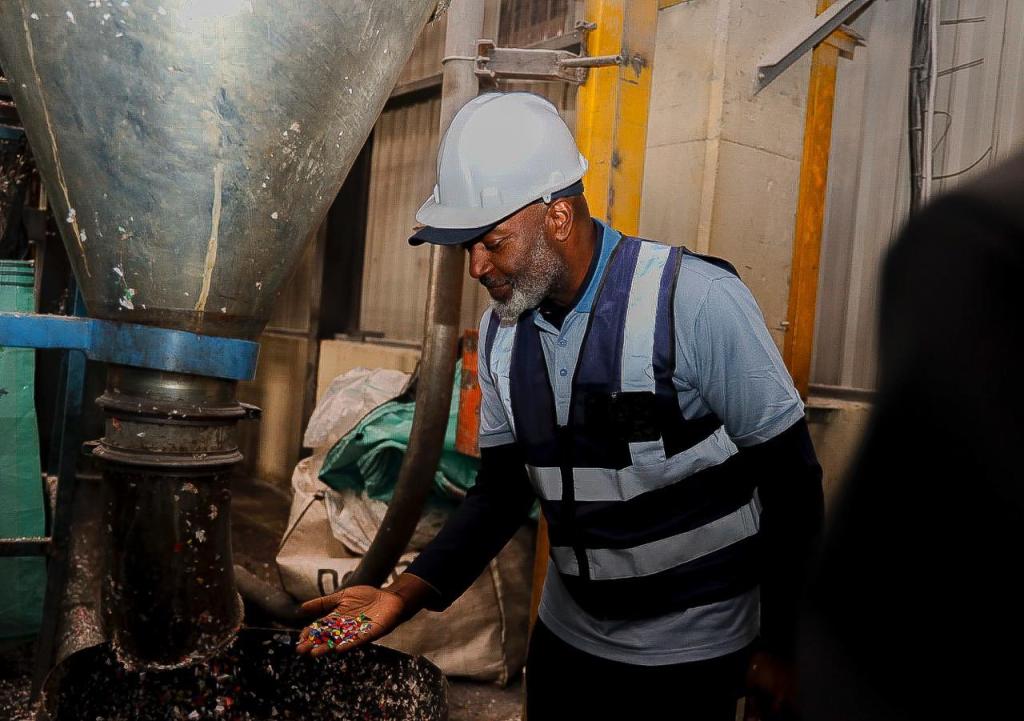
Why volunteerism matters in practice
Across all these reflections, one message is consistent: volunteers make a real difference on the ground.
In Zimbabwe, Edward Kallon has seen how volunteers support communities through crises, from droughts to cyclones. They help deliver information, connect people to services, and ensure that support reaches those who need it most. Their presence often makes the difference between a response that exists on paper and one that works in reality.
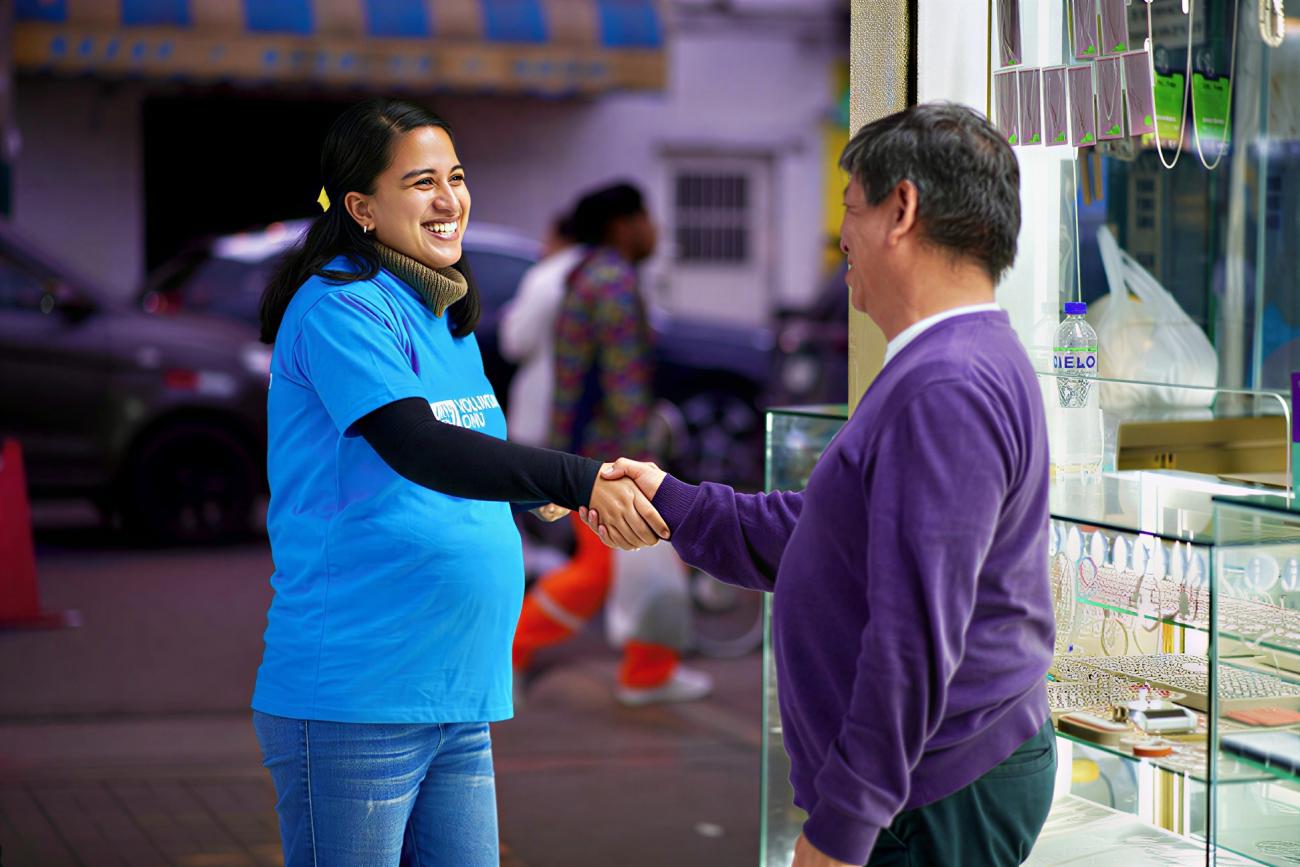
Volunteers bring something unique. They are close to the communities they serve. They understand local dynamics. They can move quickly and adapt. Just as importantly, they build trust, something that no policy or programme can achieve on its own.
More than support: Shaping leaders
Volunteerism not only supports development efforts. It shapes the people who lead them.
Amanda Mukwashi, Resident Coordinator in Angola, describes volunteering as a bridge. For her, it was a way to connect with communities and to understand dignity, both her own and that of others. It changed how she sees development, not as something delivered to people, but built with them.
Many Resident Coordinators describe similar lessons from their early experiences. Volunteering helped them learn to listen, work with others and stay grounded in the realities people face every day.
These are not abstract skills. They are essential for leading in today’s world, where challenges are complex, and solutions require collaboration.
Volunteerism, in this sense, is not just a starting point for a career. It is a foundation for leadership.
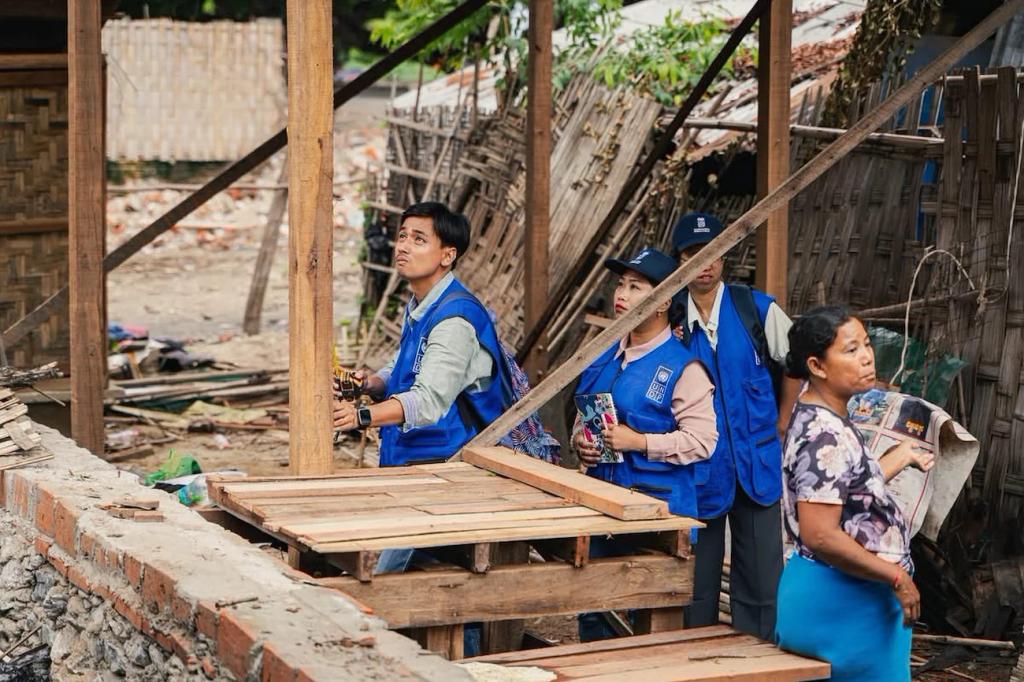
Connecting global goals to local realities
One of the most important roles volunteers play is helping connect global ambitions to local action.
The Sustainable Development Goals (SDGs) are broad and ambitious. But their success depends on what happens in communities: in schools, health centres and local institutions.
This is where volunteers make a difference.
In Somalia, volunteers support communities recovering from drought and displacement. In South Africa, they contribute to social cohesion and youth engagement. In Zimbabwe, they help deliver services and strengthen resilience during crises.
They help ensure that development efforts are not abstract, but practical and relevant to people’s lives.
Just as importantly, they help bring in voices that might otherwise be left out. By working closely with communities, volunteers make development more inclusive and more responsive.
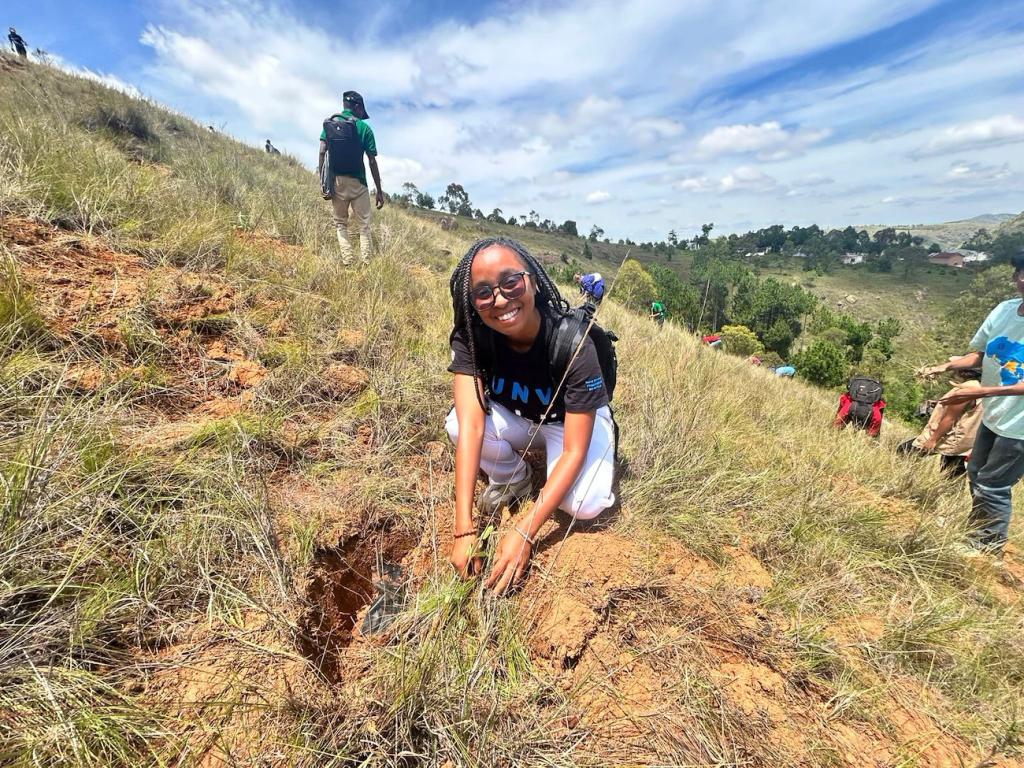
A moment to rethink volunteerism
The stories in Journeys of Inspiration come at an important time. With just a few years left to achieve the SDGs, progress needs to move faster.
This International Year of Volunteers offers an opportunity to rethink how volunteerism is leveraged and supported.
The collection of experiences contained in this photobook points to a clear perspective: progress cannot come from institutions alone. It requires people, at all levels, to choose to contribute.
Volunteerism should not be seen as an optional extra. It should be part of how development is planned and delivered.
This means:
- Creating more opportunities for people to volunteer
- Supporting volunteers with the tools and training they need
- Recognising the role they play in strengthening communities and institutions
It also means seeing volunteerism as a pathway to contributing to development and building the next generation of leaders.
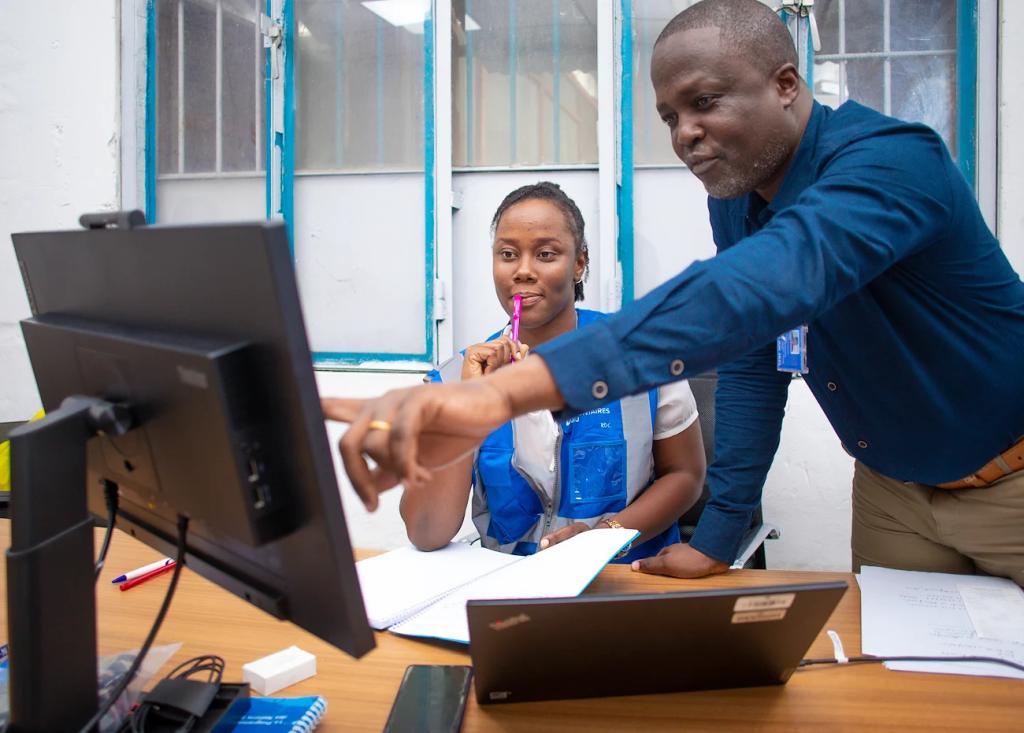
From stories to action
At their core, these stories are about choices. Small decisions to give time, share skills and support others. Over time, those choices shape careers. More importantly, they shape communities and systems.
The message from Resident Coordinators is clear. Development is not only about policies or programmes. It is about people. It is about relationships, trust and a shared commitment to progress. Volunteerism brings these elements together.
It connects individuals to a larger purpose.
It turns intention into action.
As the United Nations and its partners look ahead, the challenge is not only to recognise this, but to act on it. Because the path to a better future does not start in meeting rooms. It starts with people choosing to serve.





Latest news and updates