Under Bulawayo’s Cloudy Skies, a Hospital Steps Into the Light
On an otherwise ordinary morning in Bulawayo, the courtyard of Mater Dei Hospital filled with quiet anticipation. Nurses in crisp uniforms stood alongside community leaders, Government officials, United Nations representatives and members of the Old Mutual Group. Beneath cool, cloudy skies, they gathered to mark a moment that could transform how the hospital serves its patients: the commissioning of a solar photovoltaic (PV) hybrid system designed to keep life-saving equipment running even when the national grid fails.
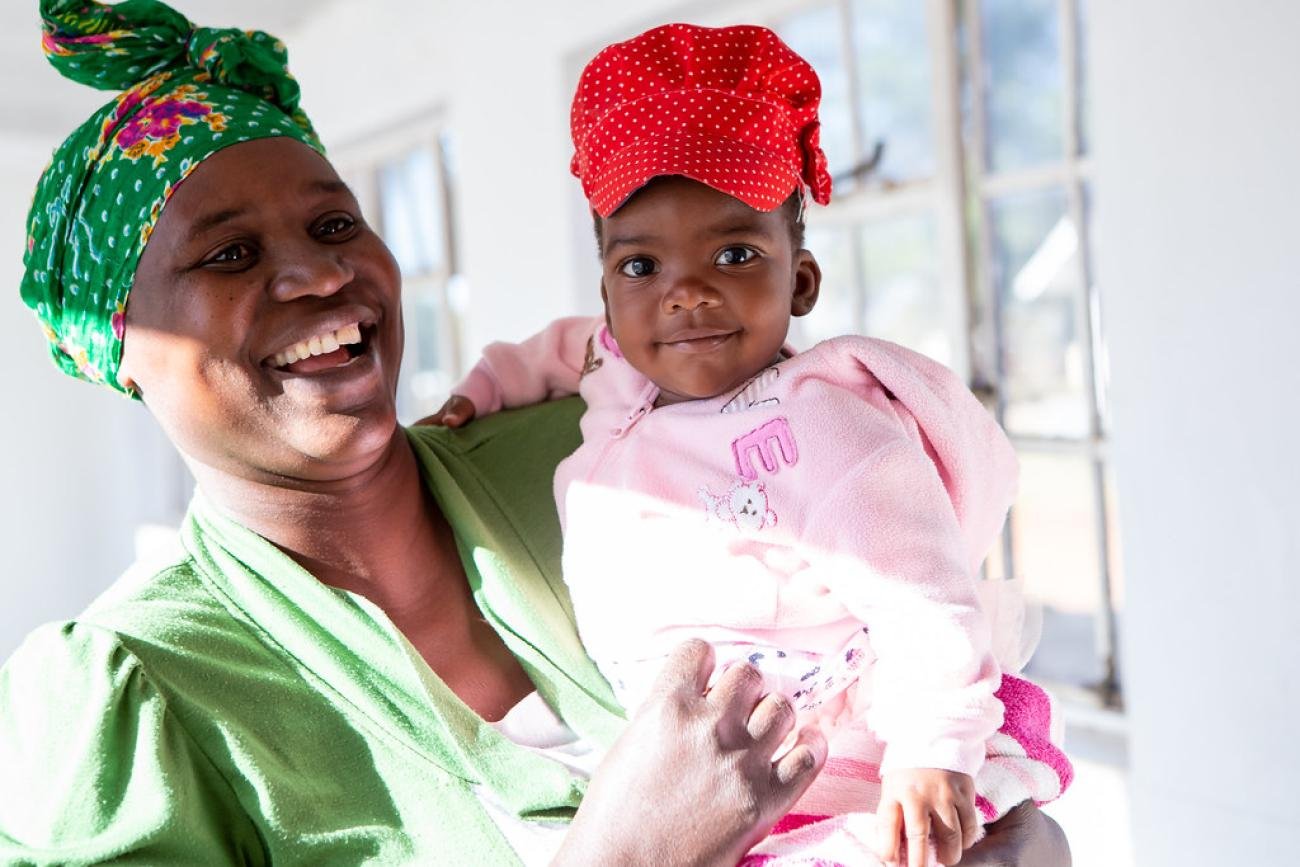
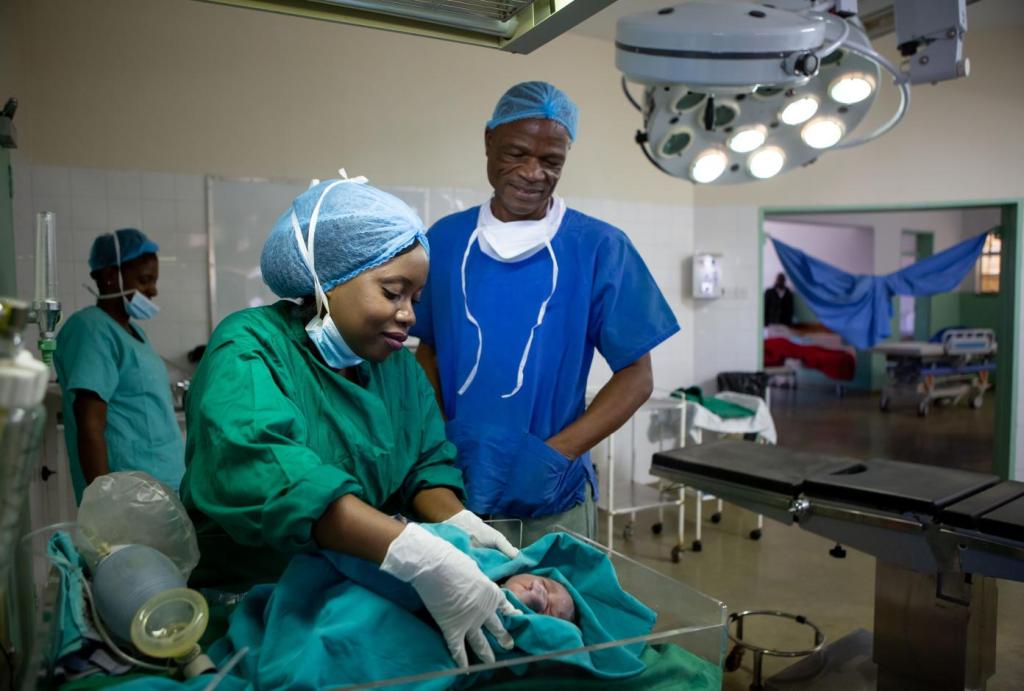
For the doctors, nurses and patients who rely on this faith-based institution, the new system is not simply about technology. It is about certainty. Certainty that a surgery will not be interrupted mid-operation. Certainty that an incubator caring for a premature newborn will not suddenly go dark. Certainty that vaccines stored in cold rooms will remain safe and effective.
Opening the ceremony, the Honourable Yeukai Simbanegavi, Zimbabwe’s Deputy Minister of Energy and Power Development, described the project as a powerful example of collaboration delivering real outcomes.
“Today, we witness the tangible results of our Renewable Energy Fund, validating that our collaborative efforts indeed bear fruit,” she said. “Reliable power is the foundation of modern economies and essential for improving the quality of life in our communities.”
Acknowledging the partnership between the Government of Zimbabwe, the United Nations and the Old Mutual Group, the Deputy Minister emphasised the role of collective action in expanding energy access.
“As we accelerate energy expansion, it is through shared commitment that we can achieve universal electricity access by 2030,” she said, noting that dependable energy has become as critical to hospitals as medicines and trained health workers.
When power cuts put lives at risk
For Mater Dei Hospital, which serves communities across Bulawayo and Matabeleland North, unreliable electricity has long posed a daily challenge. Like many mission and referral hospitals across Zimbabwe, the facility has frequently relied on diesel generators to maintain critical services during power outages.
“Health institutions, particularly mission and rural referral hospitals, continue to experience electricity supply interruptions that compromise essential medical services, cold-chain systems, surgical operations and emergency response capacity,” said the UN Resident and Humanitarian Coordinator in Zimbabwe, Edward Kallon.
Against this backdrop, Mater Dei was “identified as a priority facility requiring resilient and sustainable energy infrastructure,” he explained.
“This initiative is not just about installing solar panels. We are switching on possibilities for patients whose lives depend on uninterrupted power. It represents progress towards a resilient health system.”
UN Resident and Humanitarian Coordinator Kallon also discussed important challenges in Zimbabwe's energy reality. "With only 41 per cent of the population having access to electricity, it is vital we bridge this gap." Expanding reliable and sustainable energy solutions is therefore critical for both economic development and social services.
He also called for additional partnerships, saying, "Progress will be unequal and unjust without focusing on those left furthest behind."
A partnership for resilient healthcare
With catalytic support from the Joint SDG Fund, the Old Mutual Group is managing and spearheading the Renewable Energy Fund, which financed the installation of the solar PV hybrid system at Mater Dei Hospital. The system combines rooftop solar panels, battery storage, smart inverters and existing grid connections to ensure reliable power for essential hospital operations.
Samuel Matsekete, CEO of Old Mutual Group Zimbabwe, highlighted the broader impact of the investment. “This solar power plant not only strengthens energy infrastructure but also advances the Sustainable Development Goals we collectively strive to achieve. With an annual generation capacity of more than 1.3 million kilowatt-hours, the system will provide reliable power for critical healthcare services.”
He emphasised that the project demonstrates how public-private partnerships can unlock innovative solutions to energy challenges.
Power where it matters most
The new installation prioritises the hospital’s most critical areas: operating theatres, intensive care units, maternity and neonatal wards, emergency rooms and cold storage for blood, vaccines and essential medicines.
For patients and staff, the benefits are immediate. Fewer surgeries will be postponed due to outages. Emergency services can operate without interruption. Medical teams can plan procedures based on clinical needs rather than unpredictable electricity supply.
For families traveling long distances to reach the hospital, this reliability can mean the difference between life and death.
Beyond clinical safety, the solar system also represents a major economic and environmental step forward. Diesel fuel has long been a significant expense for healthcare facilities, diverting resources away from medicines, staff training and patient services.
Reduced fuel consumption also means lower emissions and less noise pollution around the hospital, creating a calmer and healthier environment for both patients and healthcare workers.
A model for hospitals across Zimbabwe
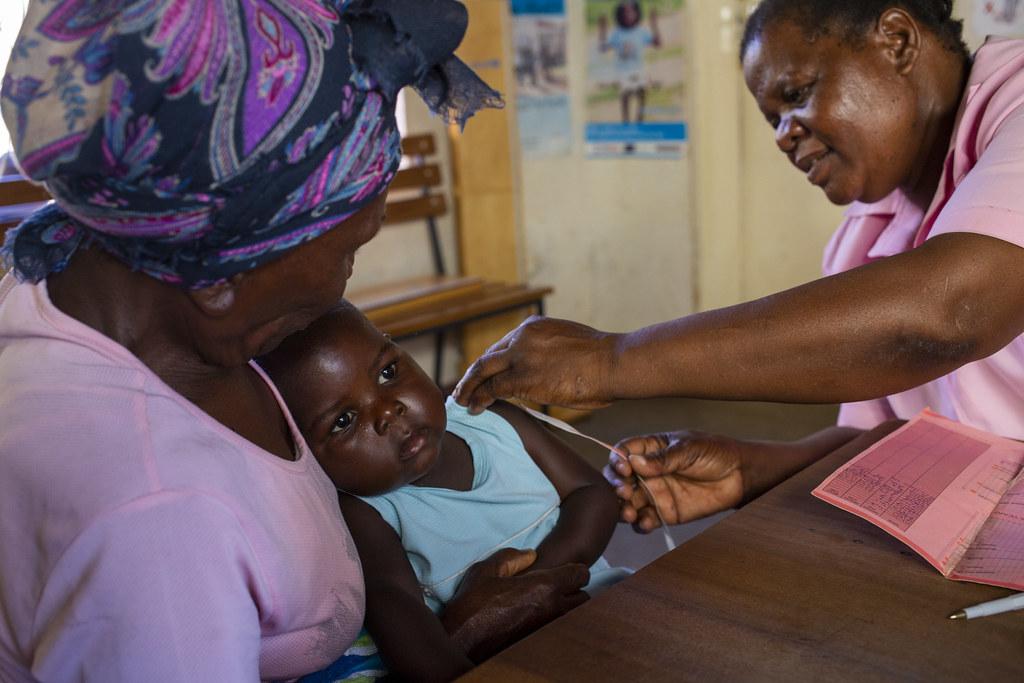
Mater Dei’s transformation carries lessons far beyond Bulawayo. Across Zimbabwe, mission and church-run hospitals play a critical role in providing care to rural and underserved populations. Yet many operate with limited resources and fragile infrastructure.
By demonstrating how renewable energy can strengthen health services, the project offers a model that can be replicated nationwide.
“Under the Zimbabwe Joint SDG Fund Programme, strategic investments and matched funding from the Old Mutual Group have been deployed to demonstrate how decentralised renewable energy solutions can strengthen social service delivery while advancing sustainable development outcomes,” UN Resident and Humanitarian Coordinator Kallon said.
“The commissioning of this system showcases how integrated UN support can advance climate-resilient health infrastructure while expanding sustainable energy access,” he added
The initiative also includes technical training, capacity building for hospital management and links to national health and energy strategies to ensure long-term sustainability.
Lighting the way forward
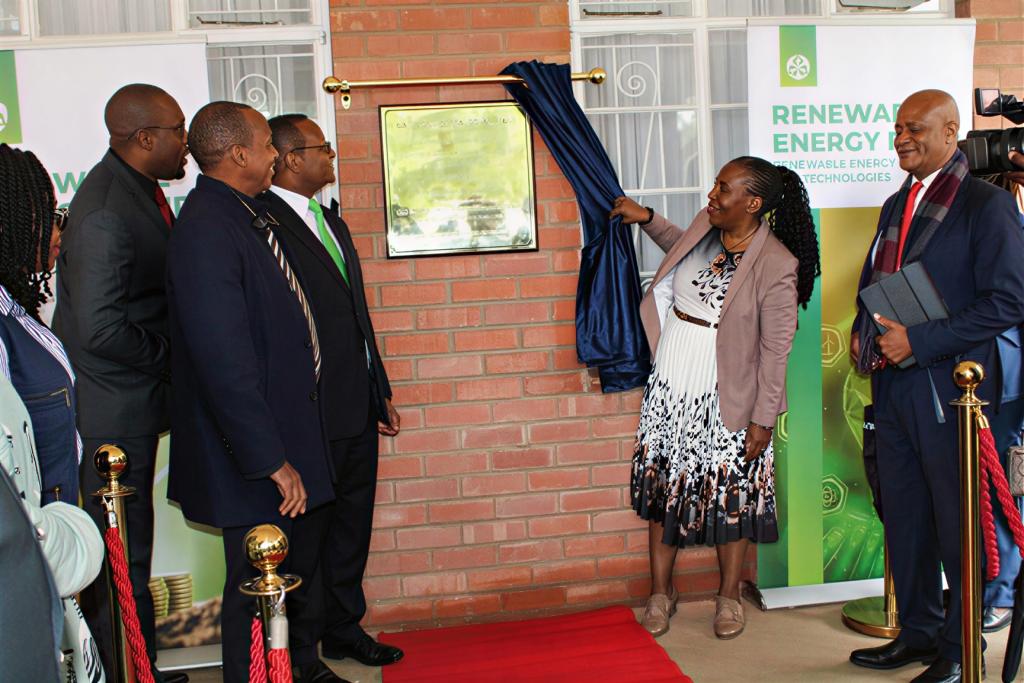
When dignitaries unveiled the commemorative plaque and officially switched on the system, the moment marked more than the completion of an infrastructure project. It represented a renewed sense of confidence for the hospital staff and the communities they serve.
For one nurse, the change means finally being able to sleep peacefully during night shifts, knowing the operating room will not suddenly lose power. For new mothers in the maternity ward, it brings reassurance that the neonatal equipment will continue running without interruption.
As the sun set over Bulawayo on commissioning day, Mater Dei Hospital’s lights remained on—powered not by diesel generators but by energy captured from the sun.
For the communities of Bulawayo and Matabeleland North, that steady glow represents more than electricity. It is a promise of reliable care, resilient infrastructure and a healthier future.
Note:
All joint programmes of the Joint SDG Fund are led by UN Resident Coordinators and implemented by the agencies, funds and programmes of the United Nations development system. With sincere appreciation for the contributions from the European Union and Governments of Belgium, Denmark, Germany, Ireland, Italy, Luxembourg, Monaco, the Netherlands, Norway, Poland, Portugal, the Republic of Korea, the Kingdom of Saudi Arabia, Spain, Sweden and Switzerland for a transformative movement towards achieving the SDGs by 2030.
This story was originally published by the UN team in Zimbabwe. Please visit the UN team's website for more information about the UN's work in Zimbabwe.





Latest news and updates