Voices for Gender Equality in the Dominican Republic
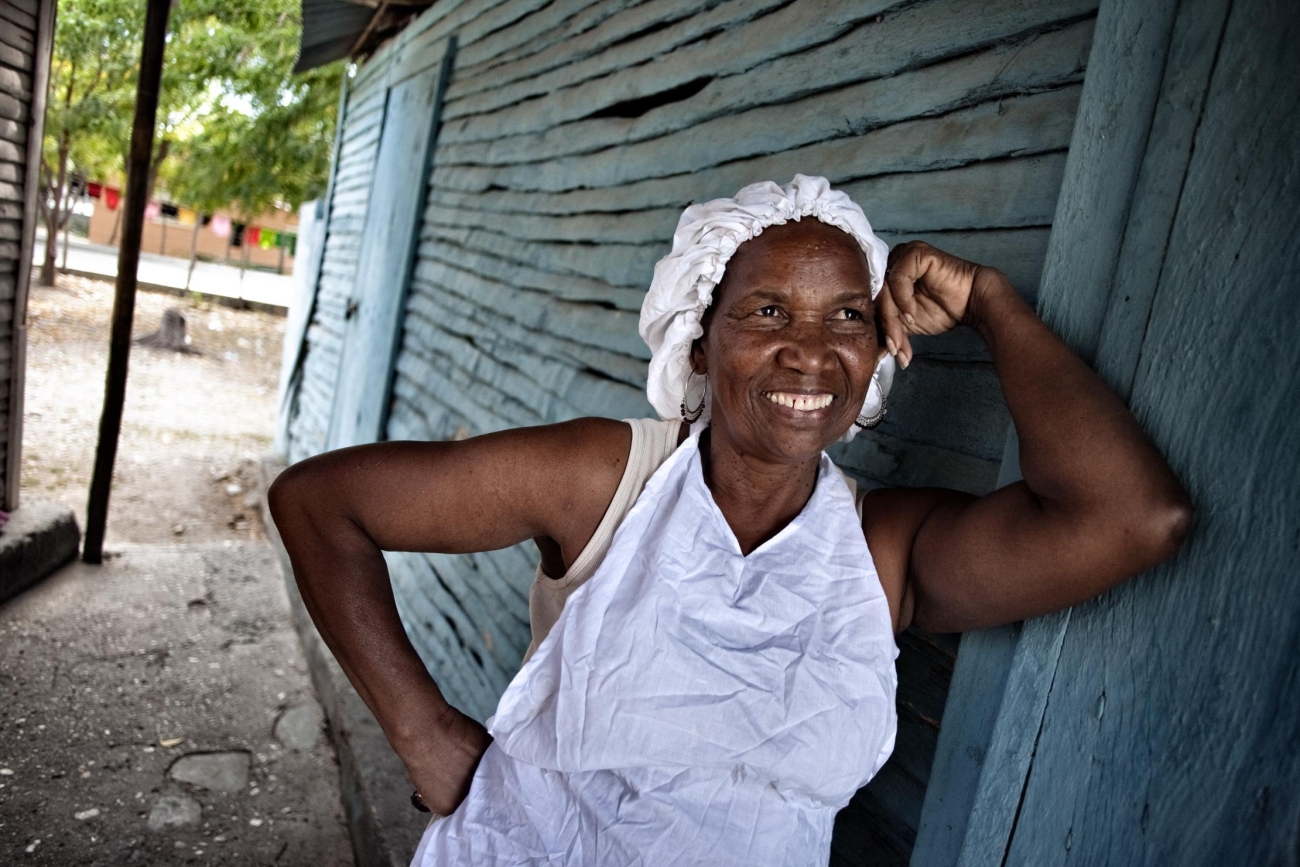
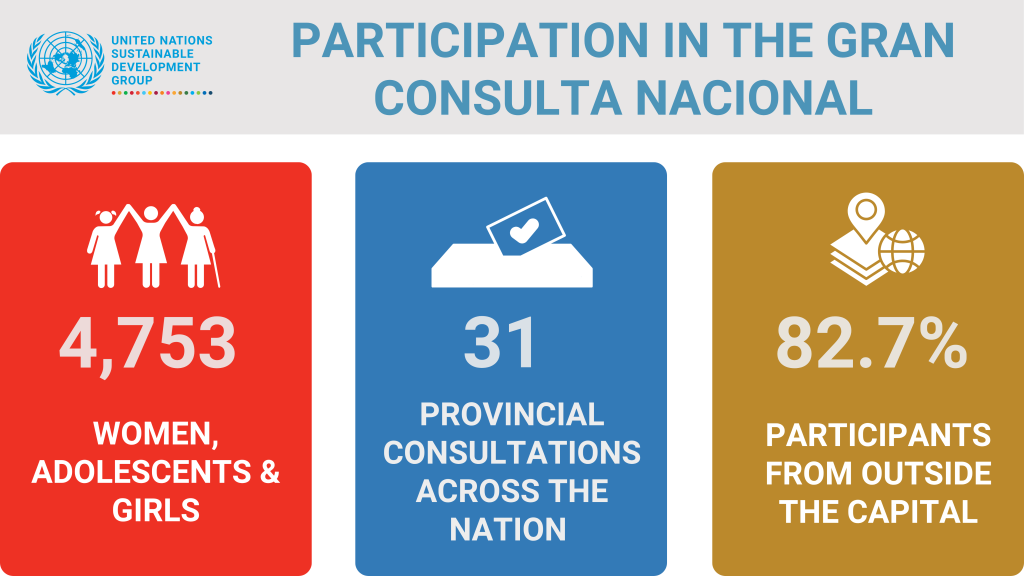
In February and March 2026, something remarkable unfolded across all 31 provinces of the Dominican Republic. From remote mountain communities to densely populated urban barrios, thousands of women came together to speak about justice, safety and the barriers shaping their daily lives. Their voices are becoming a part of the country's position on the global stage.
The Dominican Republic's Gran Consulta Nacional demonstrates what becomes possible when public institutions choose to listen first. Led by the Ministry of Women’s Affairs and carried out in partnership with UN agencies, with support from the United Kingdom, the nationwide consultation gathered the perspectives of more than 4,750 women and girls. They spoke about economic dependence, caregiving responsibilities and access to services, experiences that were transformed into policy recommendations informing the country’s voice at the UN.
What made the consultation especially important was the context in which it happened. The 70th Session of the Commission on the Status of Women (CSW70), held in New York in March 2026, highlighted an urgent theme: ensuring and strengthening access to justice for all women and girls. Every member state was invited to contribute, and the Dominican Republic rose to the occasion.
A decision to listen first
The seeds of the Gran Consulta Nacional were planted in early February, when Minister of Women's Affairs Gloria Reyes convened a meeting with the governors of all 31 Dominican provinces. The Ministry decided that the country's position at CSW70 should not be invented in a conference room, but shaped by the experiences of women across the country.
As the main link between national offices and communities, the governors' knowledge of how justice and protection services work on the ground is not reflected in national statistics. To capture this knowledge, the Ministry developed a methodology based on three connected approaches: 31 territorial consultations coordinated through provincial governments, a national virtual survey open to all women and adolescents and an in-person meeting with more than 200 women representing every aspect of Dominican society.
The blueprint of collaboration
The partners involved understood from the beginning that no single institution could build this process alone. With generous funding from the United Kingdom, the Gran Consulta Nacional became a landmark thanks to the quality of its coordination.
The Ministry provided the government relationships and institutional credibility that convinced women across the country that their participation would not be performative.
Complementing the Ministry’s work, the UN country team pooled its expertise to multiply impact. The UN Population Fund (UNFPA) led the design of the consultation, drove implementation and data collection, and then represented the UN at the April results ceremony. The UN Children’s Fund (UNICEF) ensured that girls and young women were centred in the methodology, coordinating the U-Report and RapidPro digital participation channels to reach younger voices. UN Women subsequently connected the process to the broader global CSW system and regional gender equality guidelines. Finally, the Resident Coordinator's Office oversaw these efforts, ensuring coherence between the agencies and that results would be met.
“The connective tissue that made this collaboration work was the Gender Interagency Group, the coordination network through which UN agencies in the Dominican Republic align their gender equality programmes,” says Julia Sanchez, the UN Resident Coordinator in the Dominican Republic. Instead of improvising coordination, agencies involved in the Group meet regularly to align priorities, share data and plan joint action on gender equality, providing a foundation the Gran Consulta Nacional could build on.
“The Group is the kind of network that makes the difference between agencies that cooperate on paper and agencies that actually build something together,” says Ms. Sanchez.
The presence of all four agencies reflects what the UN has long expressed: gender equality requires simultaneous action on health, rights, data and policies. No single agency has all the tools. The Gran Consulta Nacional put that theory into practice, and the Gender Interagency Group provided a coordination space to make that practice more cohesive.
What women said
The data collected across 31 provinces, based on thousands of responses, is both encouraging and sobering. Dominican women have made meaningful progress in understanding their rights and in perceiving the accessibility of justice systems. But the barriers that remain — economic, territorial, psychological and institutional — are deep and structural.
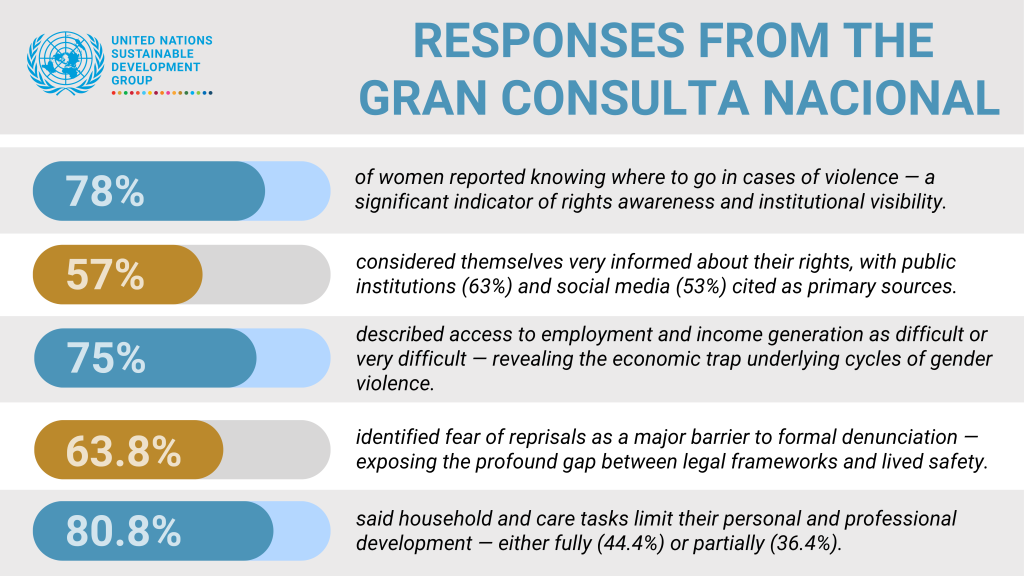
The consultation identified unpaid care work as the main barrier to women's social, economic and political participation. When over 80 per cent of respondents say domestic labour is a constraint, and 78 per cent report that a lack of employment opportunities is the leading obstacle to gaining income, the consultation is detecting a systemic problem, not an individual situation.
The geographic distribution in the data is also not a footnote, revealing a concentration of services in Santo Domingo and the National District. Rural women (55.5 per cent) and women living in poverty (51.6 per cent) were identified as the groups facing the greatest difficulty accessing justice and protection.
These findings describe the daily reality of women who may live hours from the nearest women's justice centre, cannot afford transportation and are unable to leave family responsibilities to navigate bureaucracies designed with urban, formally employed users in mind.
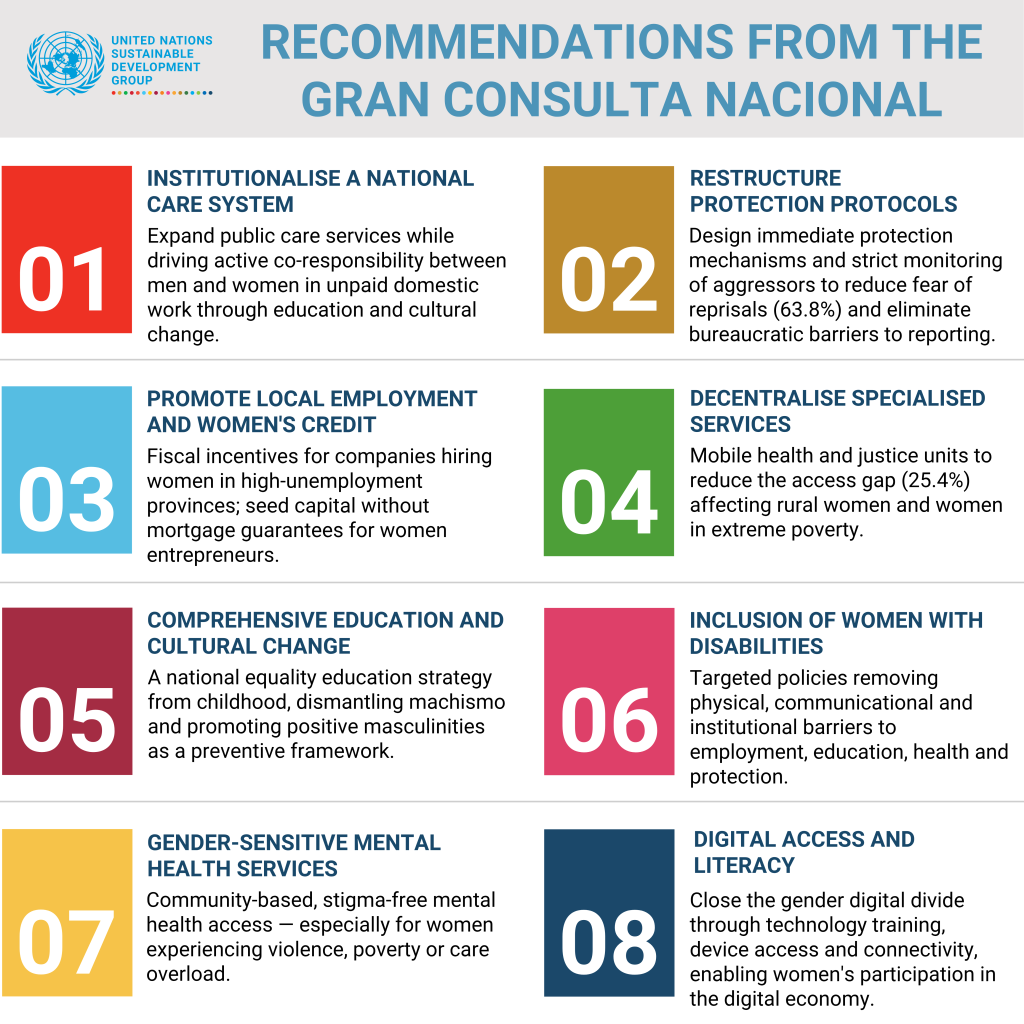
The consultation did not end with a diagnosis. It concluded with eight recommendations for concrete change, each representing not only a Dominican priority but a universal lesson for countries looking to advance gender equality.
From consultation to international stage
The Gran Consulta Nacional ended on February 25, 2026, and its results did not collect dust. Within weeks, they were shaping the Dominican delegation's engagement at the 70th session of the Commission on the Status of Women in New York.
Meetings with former Chilean President Michelle Bachelet, the UN Special Rapporteur on violence against women, and senior representatives of UN Women, UNFPA and the Inter-American Commission of Women extended the consultation's impact into the broader international women's rights system.
Then came the announcement that placed the entire process in its fullest context: the Dominican Republic had been chosen to preside over the 71st session of the Commission on the Status of Women for 2026-2027.
Overseeing the CSW means that the Dominican Republic will shape the agenda, moderate negotiations and drive consensus on the world's most authoritative gender policy forum. By grounding its position in the experiences of thousands of women, the Dominican Republic now enters that role with both legitimacy and evidence.
A model for the world
The Gran Consulta Nacional is not a Dominican exception. It is a model the world can adapt and learn from.
At its core, the consultation revealed a simple but profound truth: the gap between gender equality in law and in practice is not inevitable. It is shaped by political will, investment and sustained attention. When governments choose to listen before they speak, collaborate across institutions and recognise women not as passive beneficiaries of development but as its architects, transformative change becomes possible.
As the Dominican Republic assumes the presidency of CSW71, the voices gathered across 31 provinces will travel far beyond national borders, into the global spaces where policies are debated, priorities are set and futures are shaped.
The Dominican Republic listened. Now comes the harder task: delivering the transformation that listening demands.
Please visit the UN team's website for more information about the UN's work in the Dominican Republic.





Latest news and updates