Powering Through the Cold in Ukraine
How is the UN supporting Ukrainians amid the energy crisis?
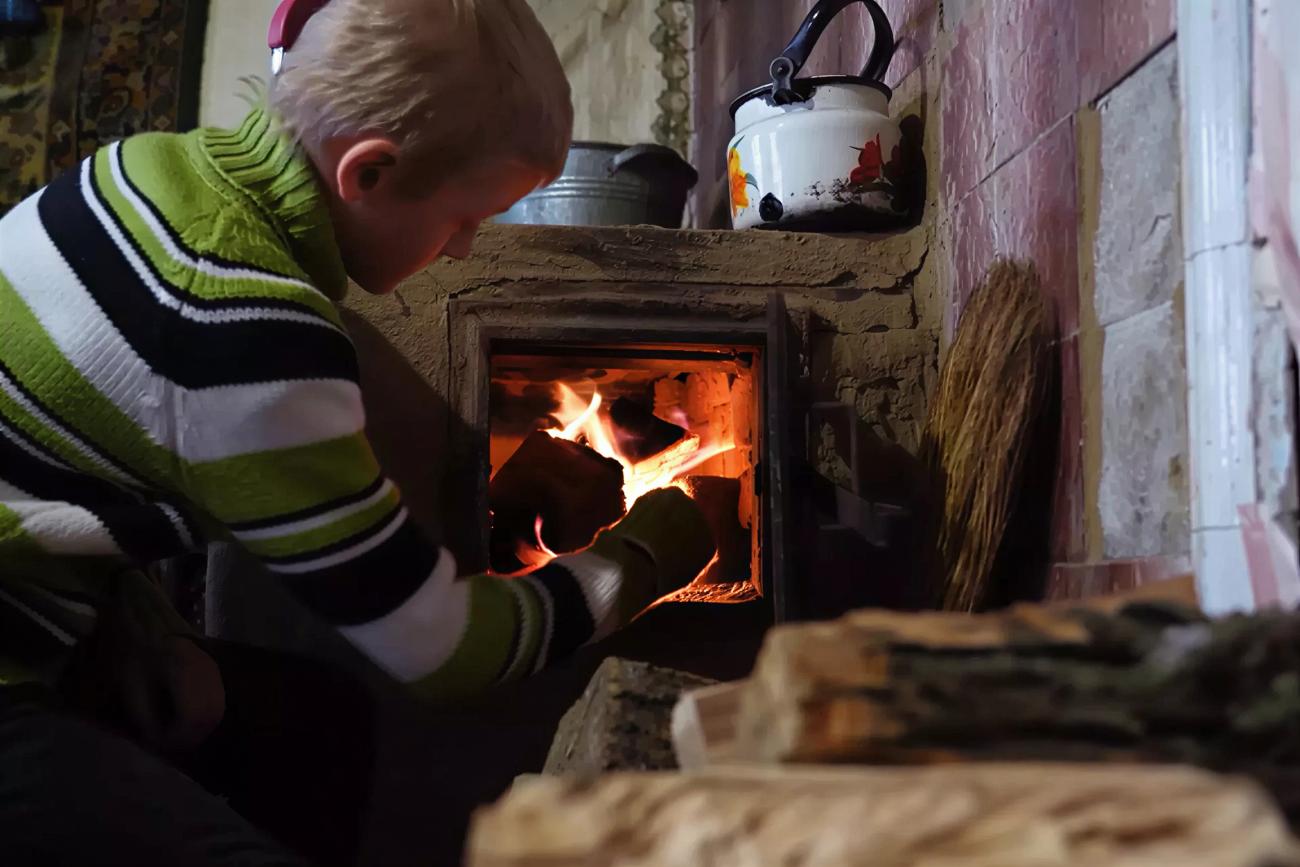
Winter has always been difficult in Ukraine, but this year has been among the coldest in decades. Amid low temperatures, millions of people have faced daily life without drinking water, reliable electricity or heating after repeated attacks on energy infrastructure disrupted power supplies nationwide. For many households, keeping warm has become a daily challenge.
Since the start of the full-scale invasion, Ukraine’s energy system has been under continuous attack. Power plants, substations and transmission lines have been damaged or destroyed, leading to widespread outages and rolling blackouts. While repairs continue, insecurity and access constraints leave many communities vulnerable to prolonged disruptions.
With an estimated 10.8 million people in need, humanitarians aim to reach 4.1 million of the most vulnerable, prioritising those experiencing the most severe conditions.
In response, United Nations agencies, working closely with the Government of Ukraine and humanitarian partners, are supporting communities to meet immediate needs while also laying the groundwork for greater resilience.
Beyond darkness: the human impact
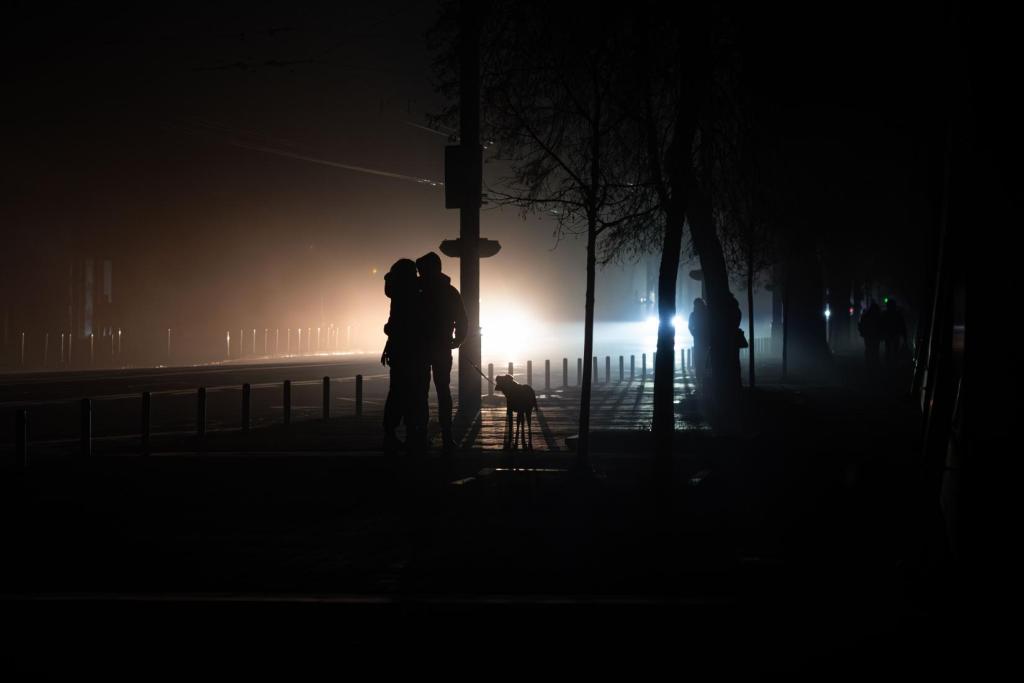
When energy infrastructure is attacked, consequences are immediate: heating systems stop, water pumps fall silent and communication becomes unreliable. For older people, those living alone and people with disabilities, extended outages can quickly turn dangerous.
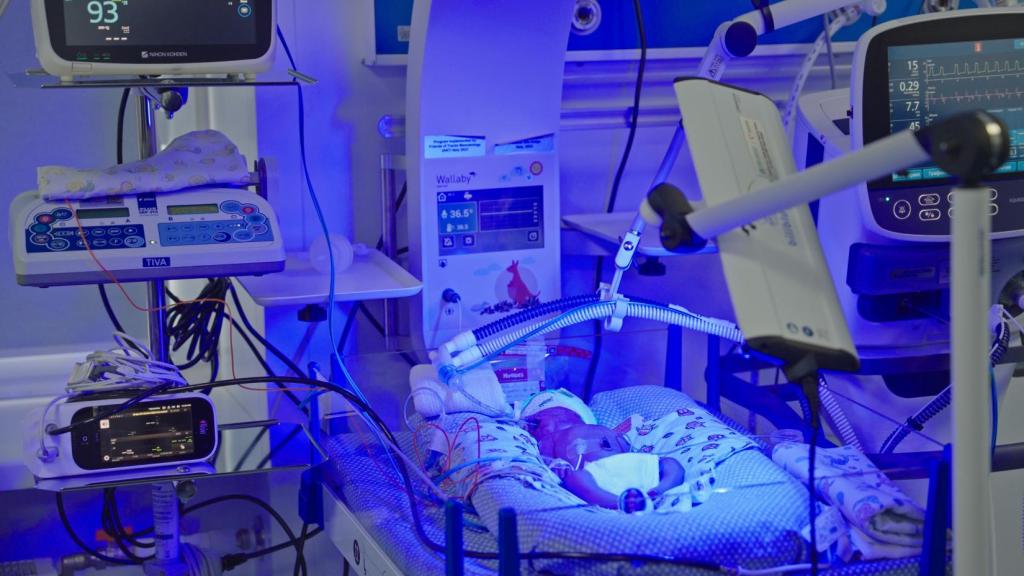
Healthcare facilities face even bigger risks. The World Health Organization (WHO) has verified at least 2,881 attacks on healthcare since early 2022, causing a number of facilities to close. Remaining facilities depend on uninterrupted power to operate surgical equipment, preserve medicines and provide emergency care. Schools, already disrupted by the war, struggle to keep classrooms functioning when heating and electricity cannot be guaranteed.
The impact is not only physical. The uncertainty of never knowing when the next blackout will come or whether heating will last through the night adds to the psychological strain carried by communities affected by years of war.
As Matthias Schmale, the UN Resident and Humanitarian Coordinator in Ukraine, warned, “Attacks on energy infrastructure risk leaving hospitals and homes without electricity and heating during these coldest months of the year.” He added: “Parents cannot prepare hot meals for their children, and many older people have been left isolated in cold homes yet again.”
Emergency support when it matters most
To address urgent needs, UN agencies have mobilised emergency support to stabilise essential services. Generators, fuel, transformers and spare parts have been delivered to hospitals, shelters, collective sites and utilities, supporting their continued operation during outages.
The UN Children’s Fund (UNICEF) maintains access to heating and safe drinking water, which are often the first systems to shut down when electricity fails. By providing generators and backup equipment, the organization works to prevent shortages, reduce health risks and ensure continuity of services. In parallel, WHO and UNICEF support hospitals and primary healthcare centres with alternative power sources, particularly near the front line.
Reflecting on the broader impact of these attacks, Matthias Schmale emphasised that “this systematic cycle of attacks on energy infrastructure violates international humanitarian law and must stop.”
Keeping homes warm
Heating becomes a top priority in winter. The UN High Commissioner for Refugees (UNHCR) and partners have distributed insulation kits, heaters and cash support for families to buy firewood or other winter necessities, and cover heating costs. Winter repairs and insulation are also carried out in homes and collective centres hosting vulnerable displaced people.
The International Organization for Migration (IOM) supports communities by rehabilitating heating systems in collective centres and providing energy-efficient equipment, addressing immediate needs while reducing consumption over time.
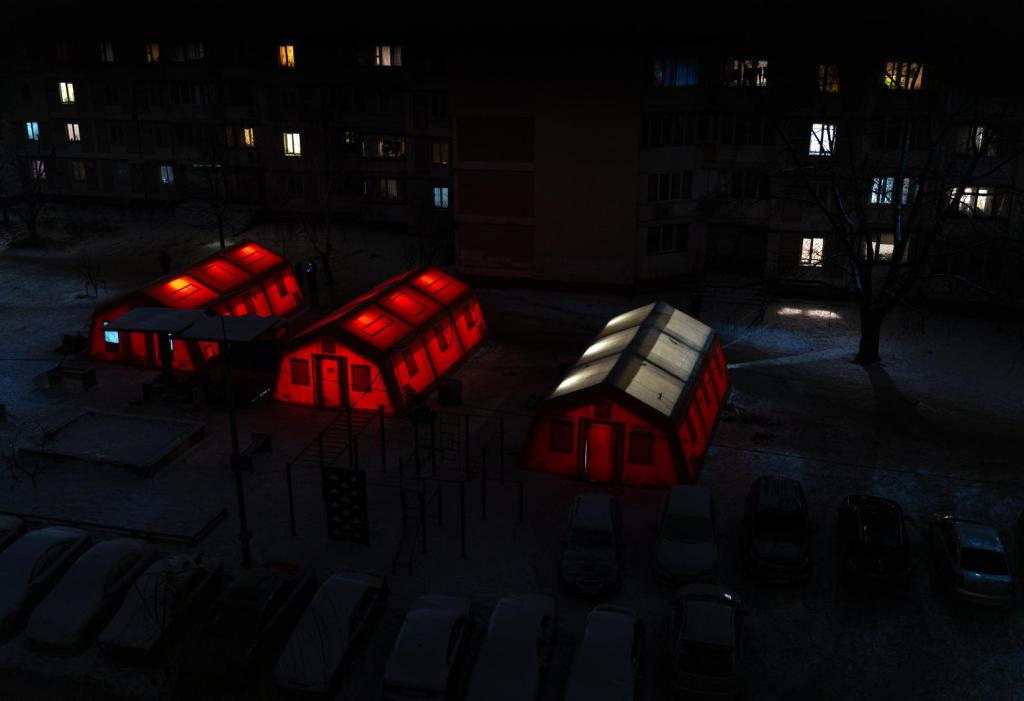
Across the country, “Invincibility Points” – heated public spaces with electricity, water and Internet – have become critical during extended outages. UN agencies provide these spaces with equipment so they can serve as safe havens when homes lose power.
Matthias Schmale has stressed that “whole neighbourhoods of cities end up without heating, power or water supply after each attack for many hours, days or even months. We are particularly worried about vulnerable people – children, the elderly and people with disabilities.”
Building resilience
While emergency response remains vital, the UN is also strengthening longer-term energy resilience. The UN Development Programme (UNDP) leads efforts on decentralised systems such as distributed generators, modular heating, renewable energy and battery storage to reduce reliance on vulnerable, centralised infrastructure.
The UN Office for Project Services (UNOPS) has delivered over $45 million in heating equipment to Kharkiv, including modular boiler houses. In Mykolaiv, 10 emergency repair vehicles were provided to heating companies – two were later deployed to Kyiv after major attacks. UNOPS also supplied 100 generators to the State Emergency Service, some of which powered homes in Kyiv during January outages.
In partnership with local authorities, UNDP is installing solar panels and batteries in hospitals, schools and water systems, alongside energy-efficiency upgrades such as improved insulation and heating.
At the same time, the UN Industrial Development Organization (UNIDO) supports the industrial sector to improve energy efficiency, adopt international management standards and access financing, protecting production, jobs and energy security amid ongoing disruptions. UNICEF is also working with schools to improve their heating and energy resilience through targeted grants.
Together, these initiatives support communities through the current crisis while building a more sustainable, resilient recovery.
Coordination at the core
The scale of the crisis requires close coordination. Across Ukraine, UN agencies align humanitarian and recovery efforts to ensure support reaches those most in need.
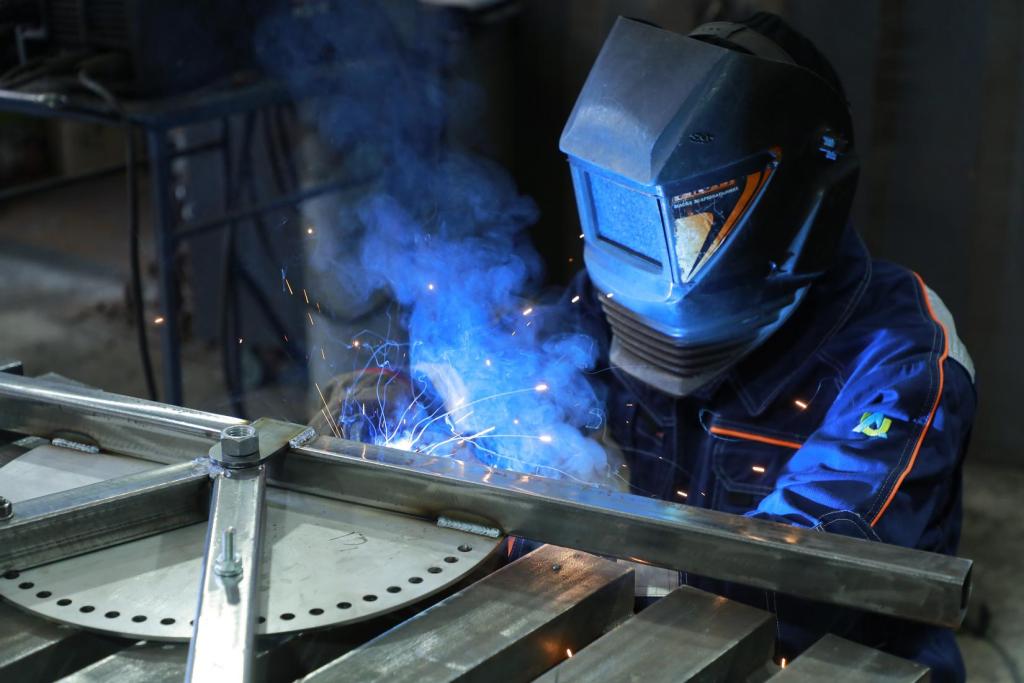
Coordination with national and local authorities is equally important. Ukrainian energy workers continue repairing infrastructure under extremely difficult conditions. UN collaboration complements these efforts by addressing urgent needs while strengthening local capacity.
Matthias Schmale warned that continued attacks on energy infrastructure, combined with cold temperatures, could create “a nightmare scenario” for civilians, with “thousands of people stuck in high-rise buildings without electricity, heating or water.”

Looking ahead: Energy, dignity and recovery
The energy crisis in Ukraine is a reminder that the impact of war extends far beyond visible destruction. It reaches homes, hospitals and schools, shaping daily life in ways that are often unseen. Yet, amid these challenges, communities continue to endure.
By combining emergency response with longer-term initiatives, UN agencies are supporting Ukrainians to cope with immediate hardship while preserving dignity and safety. As Matthias Schmale emphasised, “access to energy is about far more than light and heat. It is about dignity, stability and the ability to live with a sense of normalcy, even in the midst of war.”
Sustained global coordination and investment in resilient energy solutions remain essential, not only to power homes and hospitals, but to support recovery and hope for the future.
This story was adapted from an article originally published by the UN team in Ukraine. Please visit the UN team's website for more information about the UN's work in Ukraine.





Latest news and updates