Honduras: a Champion for Education
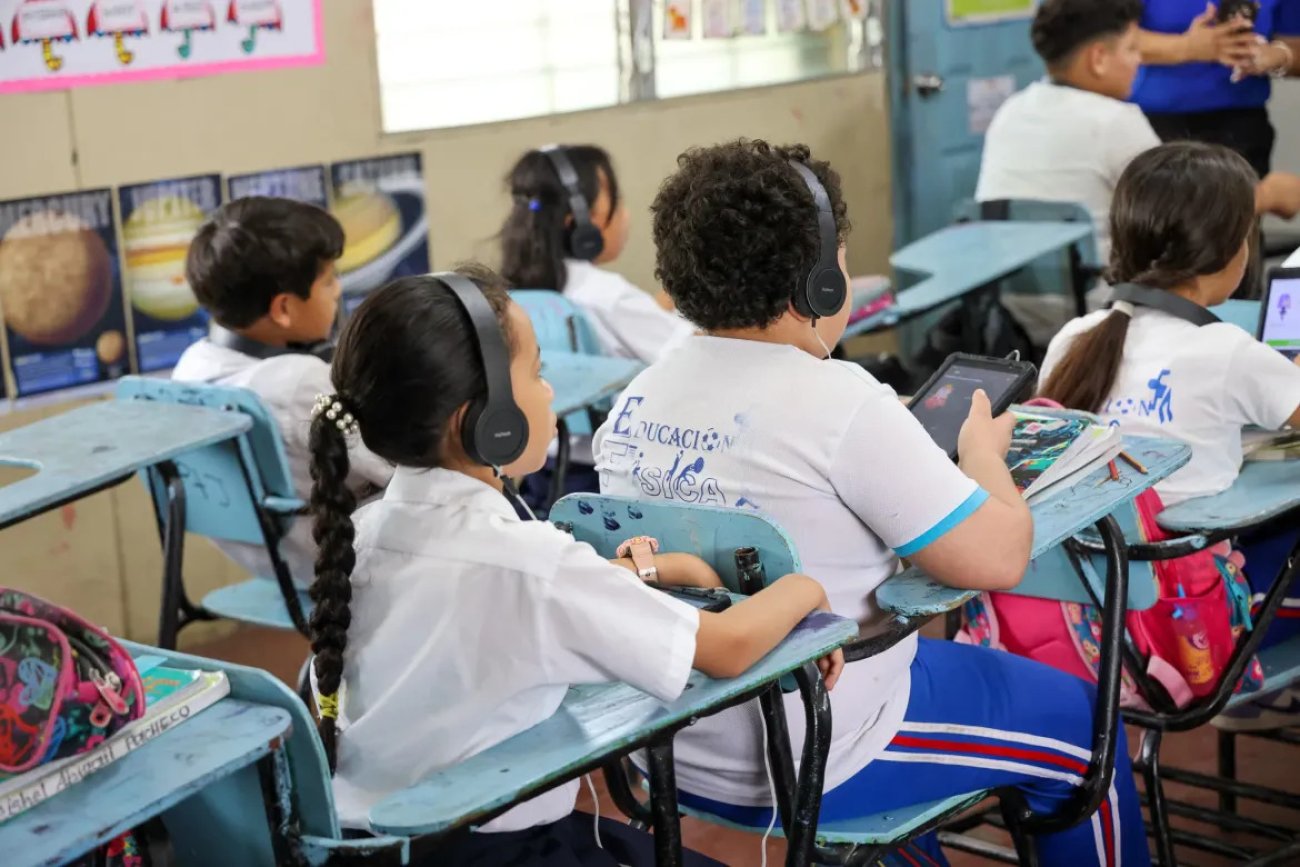
Alejandro Álvarez, UN Resident Coordinator in Honduras, reflects on how the UN helped connect national decisions with community needs through a Joint SDG Fund programme that worked with municipalities in addressing school absences
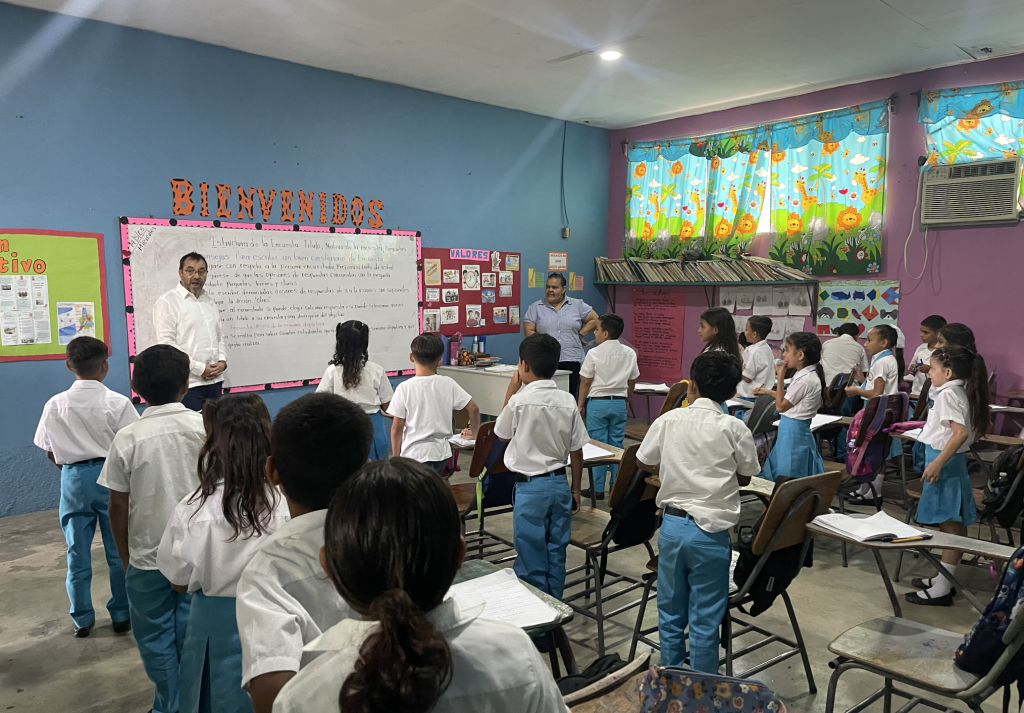
I have a vivid memory of arriving in Pimienta, in the department of Cortés in Honduras. After several hours of driving, we turned onto an unpaved road leading into the community. We left the vehicle behind and continued on foot until we reached the Miguel Ángel Cubero School.
I was accompanied by the then President of the Association of Municipalities of Honduras (AMHON), the Mayor of Pimienta, representatives of the Ministry of Education and colleagues from the UN Children's Fund (UNICEF) and UN Development Programme (UNDP). We had come together through Municipalities Champions for Education, a Joint SDG Fund initiative aimed at identifying and supporting children who were out of school, some of whom had not returned since the COVID-19 pandemic.
Though small, the school was full of life, with the sound of students enjoying their break. Ana Méndez, one of the teachers, told us that this sense of life had “gradually returned. Girls and boys are beginning to come back, and they stay thankful for the follow-up they receive, as well as when the school is able to provide school meals.”
Evelyn Suazo, the school’s principal and also a teacher, described the different circumstances behind each absence: “Sometimes families separate or move away; some students have difficulties getting to school; in other cases, families decide to migrate. We have even encountered cases where a girl or boy was not attending school simply because they did not have a uniform.”
Their testimonies captured one of the main lessons from this experience: bringing a child back to school begins with understanding why they left in the first place.
From collective action to classroom returns
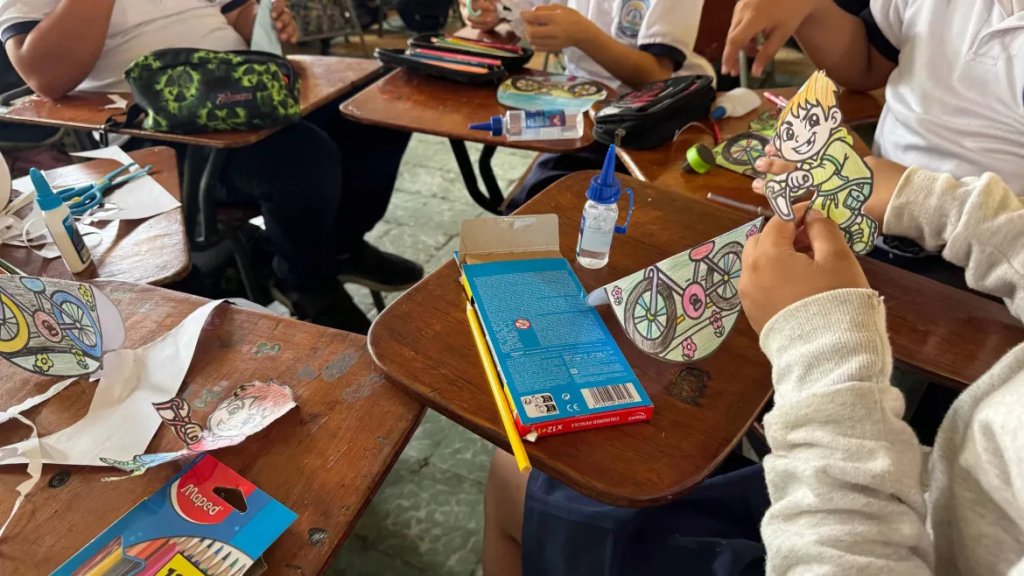
There was no single answer. In some places, children were out of school because of health issues; elsewhere, the reasons included migration or families moving because their work centres had closed, or moving temporarily for work during the coffee harvest. There were also children who had disappeared from one school’s records only to be enrolled in another. We needed to understand each story, go household by household, and mobilise those who could help find a solution.
Close coordination between the Ministry of Education and municipal Governments made this work possible. Many municipalities had very limited human resources dedicated to education. This is why placing the issue directly in the hands of mayors proved so important. They had the convening power to bring together teachers, parents, community leaders and other institutions in their municipalities.
The initiative also launched a concrete incentive, the “Municipality Champion for Education” recognition. To earn it, municipalities had to demonstrate progress against indicators related to students returning to school. As mayors became more involved in the regular meetings, they increasingly took ownership of the programme, with some choosing to reallocate resources from their own municipal budgets to education.
As Resident Coordinator, I focused my efforts on unifying, around a shared objective, the capacities of the United Nations system and the leadership of national and local institutions. Together with UNICEF and UNDP, we fostered close coordination between the Ministry of Education and AMHON. Our partnership with AMHON’s leadership was particularly important in taking the message directly to local Governments, while engagement at the highest levels helped position the initiative as a priority and build the political support needed to expand it.
The results show what this collective effort was able to set in motion. First conceived to work with 10 municipalities, the programme ultimately reached 140. An initial $250,000 investment from the Joint SDG Fund helped mobilise $1 million from municipal budgets, multiplying the resources available for education.
For me, this is one of the key strengths of this type of financing. The initial funding allowed us to test a mechanism, combine the technical capacities of the United Nations system and demonstrate results. Municipal ownership then enabled the initiative to expand its reach and build capacities that could remain in place beyond the initial intervention.
That ownership also helped the model endure through changes in Government. The programme secured support at the highest levels, and the mechanisms and capacities it developed provided the foundation for a second phase led by UNICEF.
The result that stays with me most, however, is that approximately 70,000 girls and boys have returned to the classroom.
The lasting impact of returning to school
When I think back to that visit to Pimienta, I think about the stories behind that number. A principal who knows why her students are missing school; teachers who follow up with them; families who find support to overcome a difficulty; mayors who decide to invest municipal resources in education.
The experience reaffirmed for me that our convening power matters when it connects national decisions with the responses communities need. In Pimienta, that connection reached a school that had begun bringing its students back, one by one. And every girl or boy who returns to the classroom regains an opportunity to build their future, strengthening their community and country along the way.
Note:
All joint programmes of the Joint SDG Fund are led by UN Resident Coordinators and implemented by the agencies, funds and programmes of the United Nations development system. With sincere appreciation for the contributions from the European Union and Governments of Belgium, Denmark, Germany, Ireland, Italy, Luxembourg, Monaco, the Netherlands, Norway, Poland, Portugal, the Republic of Korea, the Kingdom of Saudi Arabia, Spain, Sweden, Switzerland and the Arab Gulf Programme for Development.
This blog was originally published by the Joint SDG Fund. Please visit the UN team's website for more information about the UN's work in Honduras.





Latest news and updates