From Islands to the Himalayas: UN Resident Coordinators Bring Urgency to Antalya
Nearly 200 countries have gathered in Antalya for the 31st UN Climate Change Conference (COP31) with a shared challenge before them: turning years of climate promises into action that makes a difference in people's lives. Billed as the "Implementation COP", this year's summit comes as a powerful El Niño threatens to worsen extreme weather.
Finance has emerged as one of the toughest issues. Developing countries are pressing for faster access to climate funds, while clean energy, adaptation and a just transition crowd the agenda.
Among the voices calling for adequate financing are three UN Resident Coordinators, from Cabo Verde, Nepal and Türkiye, who see the climate crisis up close every day. For Resident Coordinators, bringing governments, UN agencies, development partners and communities together to tackle climate risks and build resilience is part of their everyday work. They shared what implementation looks like on the ground, what their countries need most and why the promises made at COP31 must translate into action.
Cabo Verde: a call from the islands
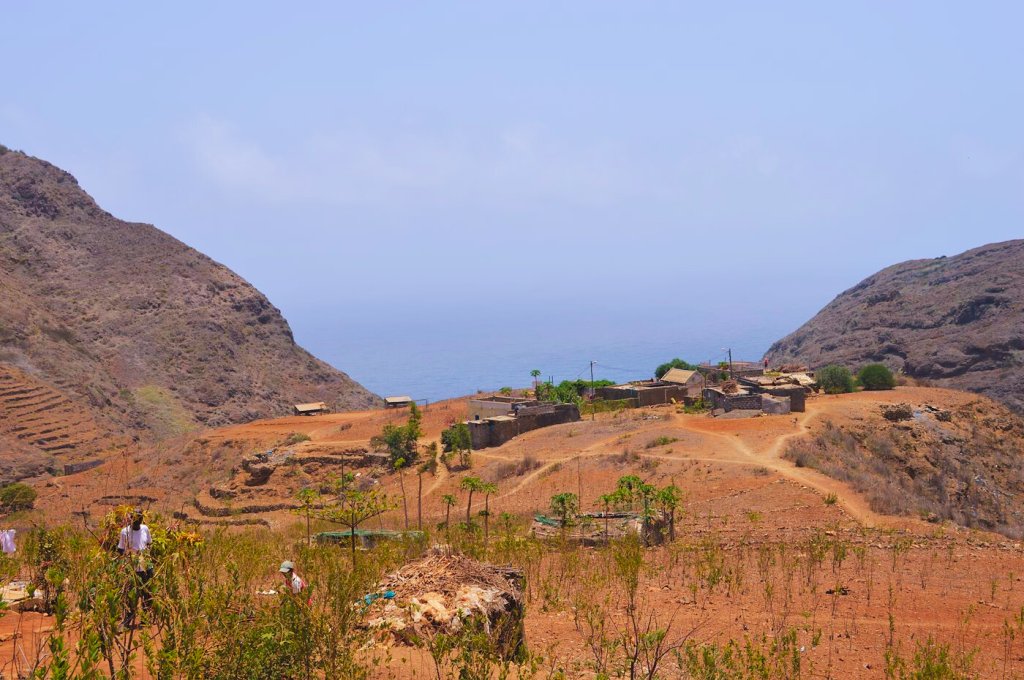
Patricia Portela de Souza, UN Resident Coordinator in Cabo Verde, came to Antalya with a plea for Small Island Developing States (SIDS). These countries have done almost nothing to warm the planet, she said, yet they are paying a huge price. In Cabo Verde, flash floods last year took several lives and devastated communities and infrastructure.
"The road maps are there, the actions are there. We know what needs to be done," she said. "The SIDS countries need the adequate finance to do the job that needs to be done now."
The Joint SDG Fund is supporting the UN team do just that across the country's ten islands. On Boa Vista, an island of about 15,000 people that welcomes around 300,000 tourists a year, a $2.5 million Joint SDG Fund programme is set to mobilise another $20 million through a public-private partnership. It brings hotel chains, NGOs and recycling companies together with the municipality and central Government to reduce and better manage waste. The Fund is also helping bring development to remote communities exposed to a warming sea. With the International Labour Organization (ILO), UN Development Programme (UNDP), Food and Agriculture Organization (FAO) and the UN Human Rights Office, it is creating jobs and expanding social protection for people with disabilities and for women with children living below the poverty line.
Nepal: Speaking up for the mountains
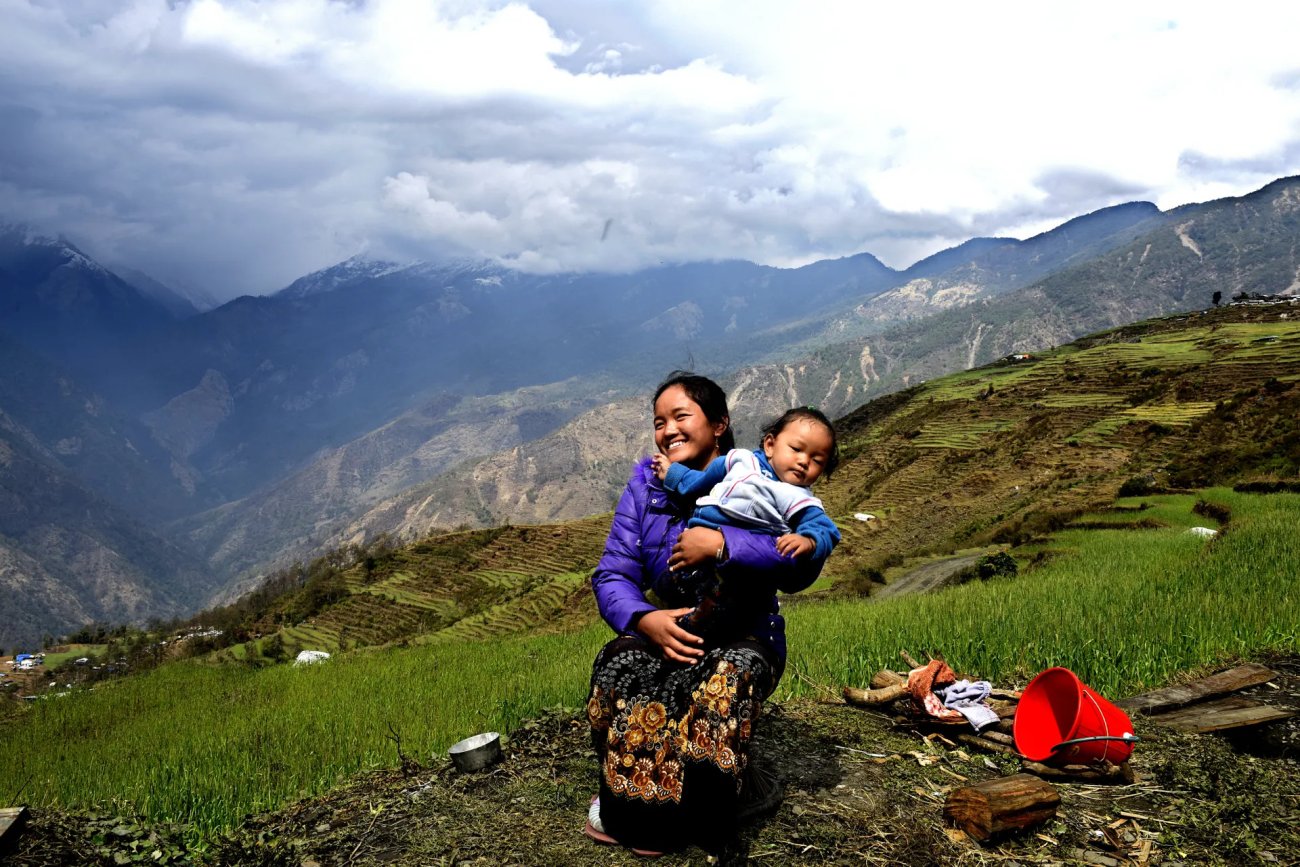
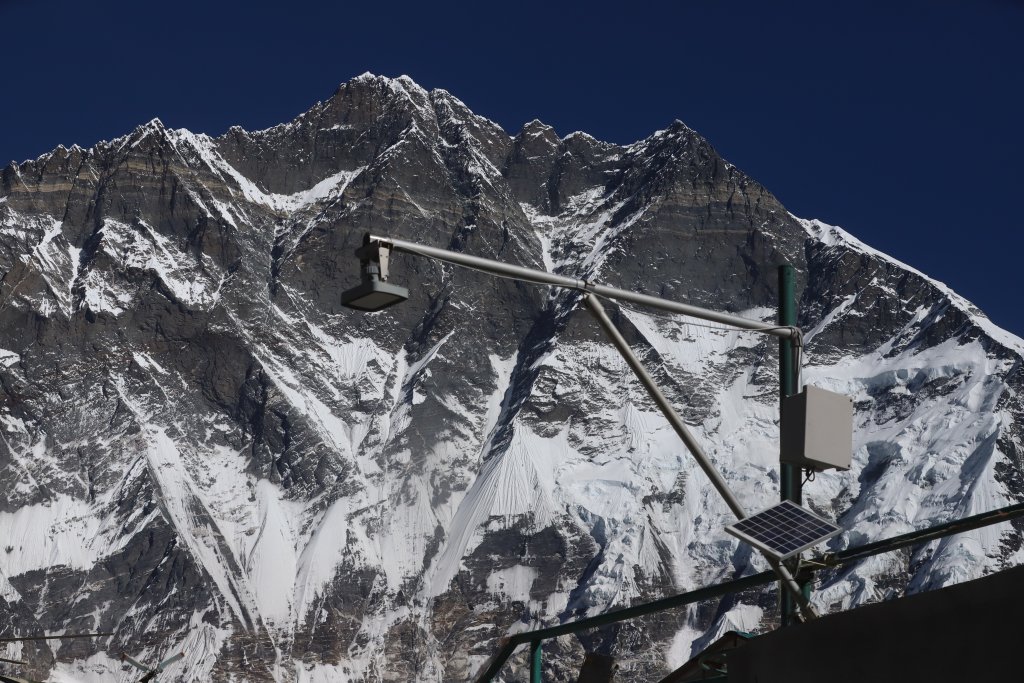
Lila Pieters Yahia, UN Resident Coordinator in Nepal, came to Antalya to make sure the mountain agenda finds its place on the COP31 agenda. Mountains worldwide, including the Himalayas, are melting at the fastest rate, she warned, threatening cultures, livelihoods and lives.
Nepal has lived those consequences this year. On 26 August, an avalanche and flash floods tore through the Bhote Koshi–Trishuli river corridor north of Kathmandu, destroying homes, roads and bridges. As glaciers retreat, the lakes they leave behind grow larger and less stable, raising the risk of sudden floods downstream. "My message is to look into mountains as a global public good and to mobilise financing to protect the Himalayas," she said.
In Nepal, the Joint SDG Fund is turning that urgency into opportunity. A green jobs programme in areas hit by drought and floods has leveraged $85 million from the World Bank. Working with the Government of Nepal, it will create jobs for women and young people, and help start-ups and small businesses grow. "If we want an economy to grow, we need to invest in and create small and medium size enterprises," Resident Coordinator Pieters Yahia said.
Türkiye: a message from the host country
Dr. Babatunde A. Ahonsi, UN Resident Coordinator in Türkiye, called for implementable plans that cut emissions as drastically as possible. He also called for climate finance at the scale, speed and affordability developing countries need, and for universal rollout of the Secretary-General's Early Warnings for All initiative.
"Simply meeting the existing commitments will not be enough," he said. His wish for everyone leaving Antalya is to go home re-energised and committed.
Türkiye's Joint SDG Fund story is about the care economy. An innovative programme is transforming the care economy, professionalising care work, creating quality jobs and empowering the women who bear the burden of care. For Resident Coordinator Ahonsi, it shows how growth can be inclusive as Türkiye moves toward high-income status, with prosperity shared especially by women and young people.
Young people bring the energy
Ask what stands out in the halls of COP31 and many will point to the young people. Resident Coordinator Portela de Souza called it "beautiful" to see so many of them alongside UN Volunteers, urging leaders to act now. Resident Coordinator Ahonsi described "a very vibrant spirit," with youth active in the UN pavilion and working with municipalities to bring local voices to the conference. Resident Coordinator Pieters Yahia noted that in Nepal, UN Volunteers were among the first to reach communities after the August floods and have been helping municipalities collect and manage data so local authorities can understand needs and coordinate a recovery plan.
Their role matters well beyond the conference halls. "Global climate commitments only become programmes and interventions and services that enhance the lives and livelihoods of people at the community level," Resident Coordinator Ahonsi said, and young people and volunteers are critical to making that happen. For Resident Coordinator Pieters Yahia, investing in the UN Volunteer movement is "the best way to bring young people into the United Nations."
From the islands of Cabo Verde to the mountains of Nepal and communities across Türkiye, the message from Antalya is clear: climate action must reach the people who need it most. The solutions are known, commitments have been made and, in many places, work is already under way. What is needed now is the financing, partnerships and political will to take those efforts to scale.


Latest news and updates