Colón, Panamá, at the Forefront of Youth-Led Action on Racial Equality
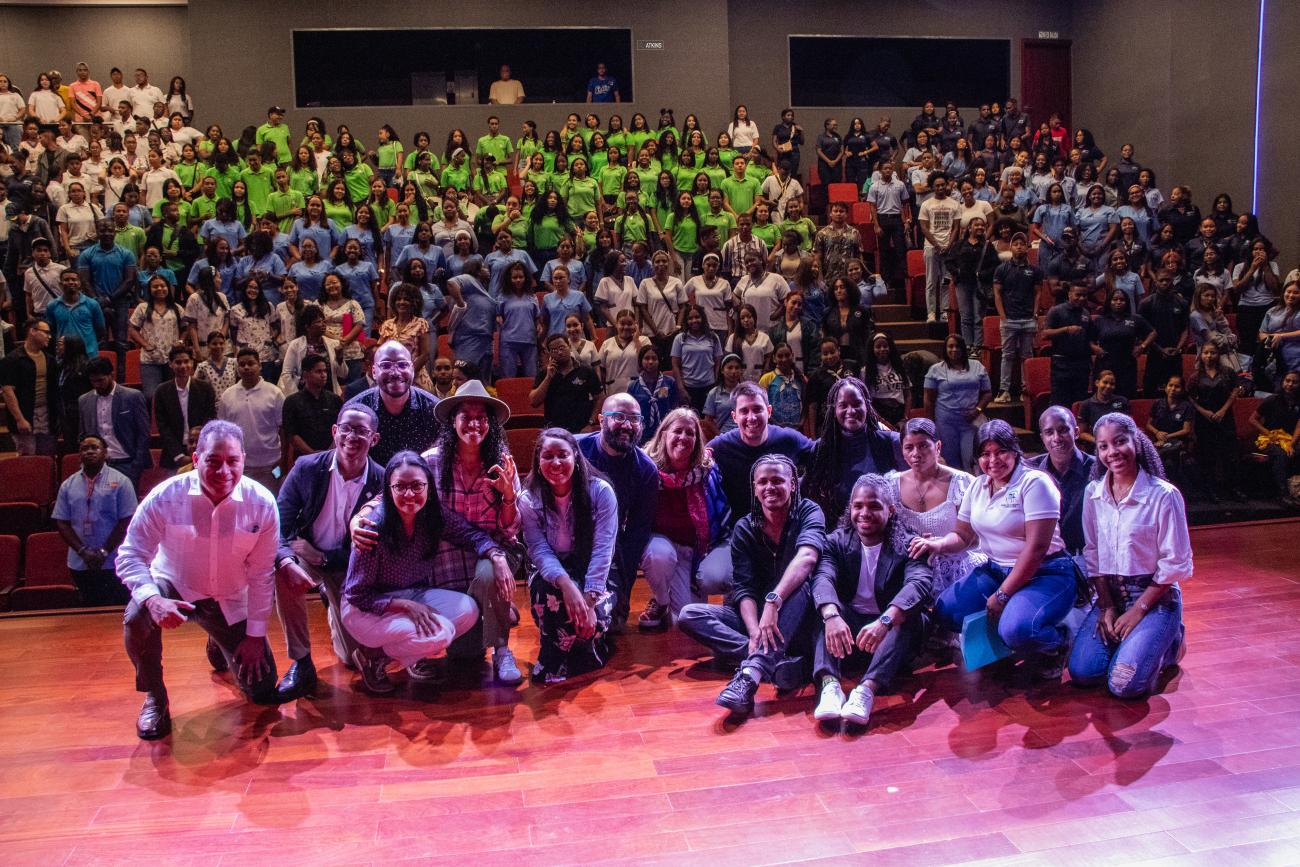
With strong leadership from the Government of Panamá, and support from the United Nations, including the Resident Coordinator’s Office and the UN Youth Office, a new youth-led process is taking shape in Colón, bringing together data, history and lived experience to advance racial equality.
On 21 March, the United Nations marked the sixtieth International Day for the Elimination of Racial Discrimination. The Day is an occasion to renew a global commitment to dignity, equality and justice for all. As United Nations Secretary-General António Guterres reminds us, “the poison of racism continues to infect our world,” eroding lives and opportunities and demanding renewed collective action. This year’s observance also reflects on the Durban Declaration and Programme of Action and the International Convention on the Elimination of All Forms of Racial Discrimination, which together guide concrete action against racism worldwide. In that spirit, Panamá offers a compelling example of how data, policy and youth leadership can come together for racial equality: the 29 to 30 May Afro‑Latin Caribbean Youth Congress 2026 in Colón, Panamá.
The Congress is the culmination of collective effort. Under the leadership of the UN Resident Coordinator’s Office in Panamá and the UN Youth Office, and in close collaboration with the Development Coordination Office for Latin America and the Caribbean, it carries strong political backing from the Government of Panamá, particularly the Ministry of Foreign Affairs and the Ministry of Culture. UN agencies working in Colón, including the UN Children’s Fund (UNICEF), the UN Development Programme (UNDP), the UN Population Fund (UNFPA), the Educational, Scientific and Cultural Organization (UNESCO) and the UN Office on Drugs and Crime (UNODC), bring experience in education, health, protection and culture to the table. The result is a collaboration that places youth voice and agency at its centre. This partnership is anchored in the new UN Cooperation Framework for Panamá (2026-2030), a shared roadmap with the Government that guides the UN's support for national priorities.
Anchored in a historic year for Panamá and the region
In 2026, Panamá marks the bicentennial of the 1826 Congress of Panamá, an early experiment in multilateral cooperation, and hosts the Organization of American States General Assembly. Timed to this moment, the Youth Congress enables Afro‑descendant youth from across the region to bring concrete proposals and connect realities in Colón to regional agendas. It also aligns with the launch of the Second International Decade for People of African Descent (2025-2034), positioning the Congress as a meaningful regional contribution to global commitments.
Also, Panamá’s 2023 National Population and Housing Census marked a turning point: nearly 32 per cent of the population, about 1.28 million people, self‑identified as Afro‑descendant, up from just above 9 per cent in 2010. Beyond numbers, this shift reflects a broader recognition of identity and belonging, supported by sustained awareness‑raising and technical work across the UN development system. The census also showed that the Afro-descendant population is unevenly distributed, with Colón concentrating the majority of those who self-identified as Afro-descendant in the preliminary data.
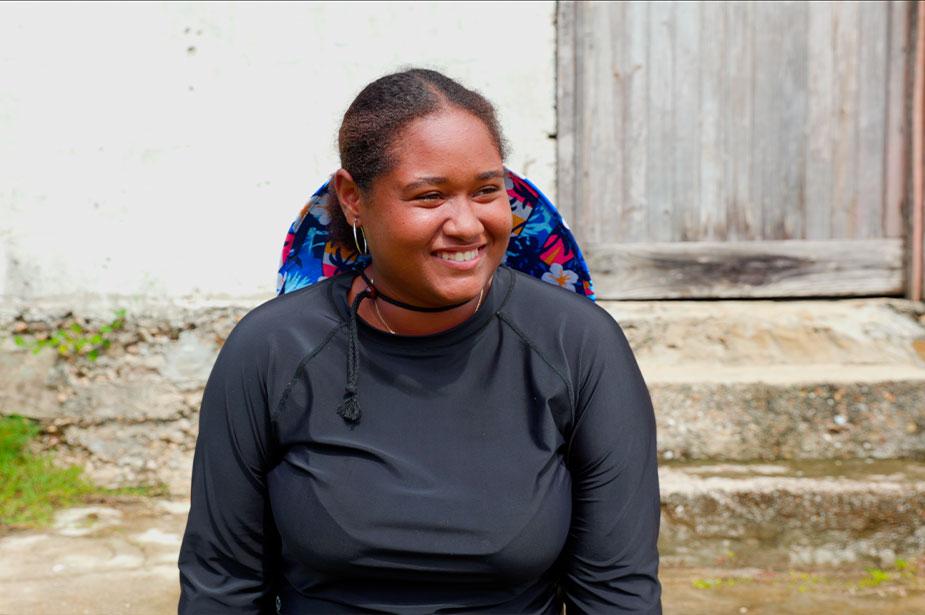
Colón is a cultural centre of Afro‑Panamanian identity, shaped by the labour and heritage of Afro‑Caribbean communities who helped build the transcontinental railroad and the Panamá Canal. This legacy thrives in music, architecture, gastronomy and daily life. Yet the province faces persistent development gaps, high poverty, unemployment, urban violence and school dropout, with Afro‑descendant children and adolescents particularly affected. These challenges highlight both the urgency and the opportunity for focused investment in jobs, education and safety, with youth poised to drive change.
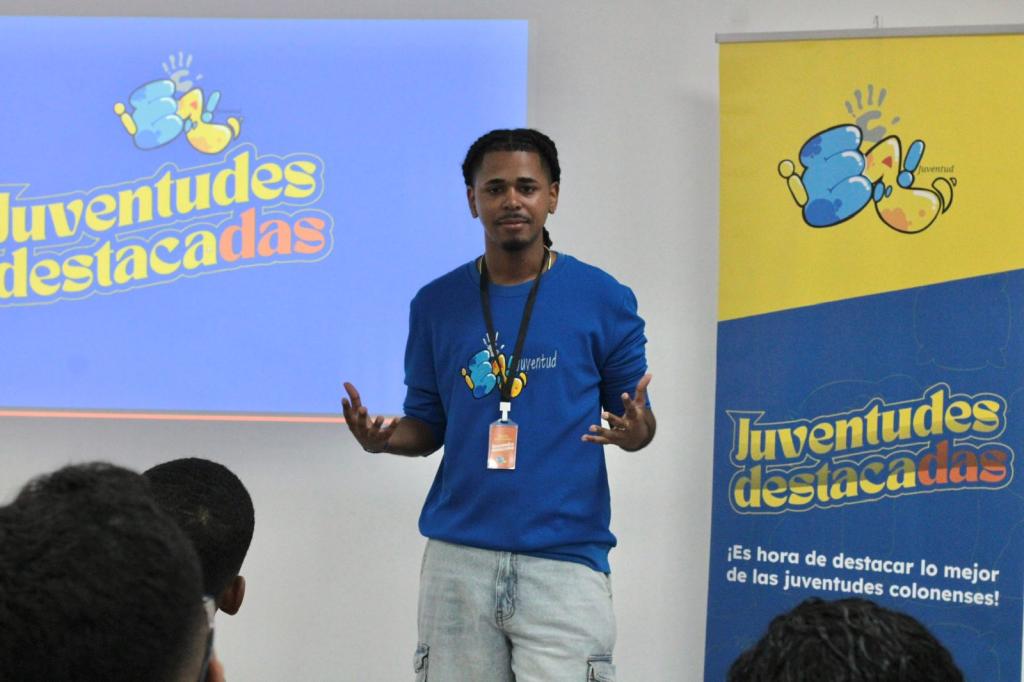
“Panamanian youth have decided to break the silence and stop calling discrimination ‘custom.’” — Joshua Caleb Batista Villalta, President, EA! Juventud, Colón, Panamá
The Congress: Design, leadership and purpose
Momentum towards organizing the Afro‑Latin Caribbean Youth Congress 2026 accelerated when the UN Assistant Secretary‑General for Youth Affairs, Felipe Paulier, met with young people at the Colón Cultural and Arts Centre (CACCO). The dialogue created space for candid conversation about lived realities and aspirations, and crystallised a shared conviction: Colón should host the first regional congress of Afro‑descendant youth in Latin America and the Caribbean.
Designed as the first milestone in a longer process, the Congress will convene policy dialogues, cultural exchanges, and UN-facilitated sessions focused on the priorities of Afro-descendant youth. Expected outcomes include:
- An Afro‑Latin Caribbean Youth Declaration with concrete public‑policy commitments, framed by the UN Youth Compass
- Contributions to the outcomes of the Amphictyonic Congress commemorations and to deliberations of the OAS General Assembly (June 2026)
- A regional youth coalition and an action roadmap to sustain engagement beyond 2026
- Substantive input and momentum toward a UN Youth Townhall envisaged for late 2026, helping position Panamá as a hub for youth‑centred multilateralism
Centring youth leadership, powering progress with data and inclusion
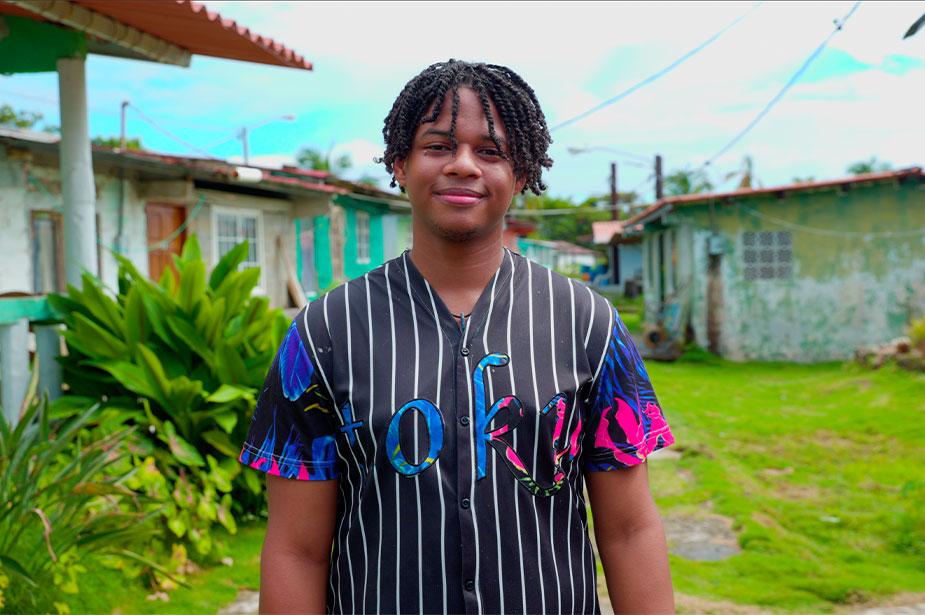
The Congress builds on a simple premise: when young people are visible in the data, heard in policy and meaningfully engaged in decisions, societies move forward. In Colón, that means pairing the new visibility revealed by the 2023 census with tangible opportunities in education, decent work and safety, areas where coordinated public action can make the greatest difference. It also means ensuring that youth, especially those who have been historically marginalised, are co‑designers of solutions rather than beneficiaries of short‑term projects.
In line with the Secretary-General’s UN 2.0 vision, partners are working to link evidence and action: using disaggregated data to target gaps, drawing on digital tools for inclusive participation, and encouraging innovative, locally led approaches. Throughout, the role of the Panamanian government is pivotal in setting priorities, ensuring policy follow‑through and sustaining results. The UN’s role is enabling: convening diverse actors, offering technical support, and helping move commitments from paper to practice so that development gains are felt in the daily lives of young people in Colón and across the region.
Looking ahead
After decades in which statistics often overlooked them, and public policies reached their communities unevenly, Afro‑descendant young people across Latin America and the Caribbean have a historic opportunity in 2026. From Colón to Chocó, from Salvador de Bahia to Cartagena de Indias, they are stepping forward to shape an agenda that speaks the language of multilateralism and carries the force of lived experience. Human rights and the promise to leave no one behind are not slogans; they are the measures by which we should judge progress. The upcoming Afro‑Latin Caribbean Youth Congress 2026 in Colón is one step toward that standard.
Please visit the UN team's website for more information about the UN's work in Panamá.





Latest news and updates