Why International Cooperation Matters for Eswatini
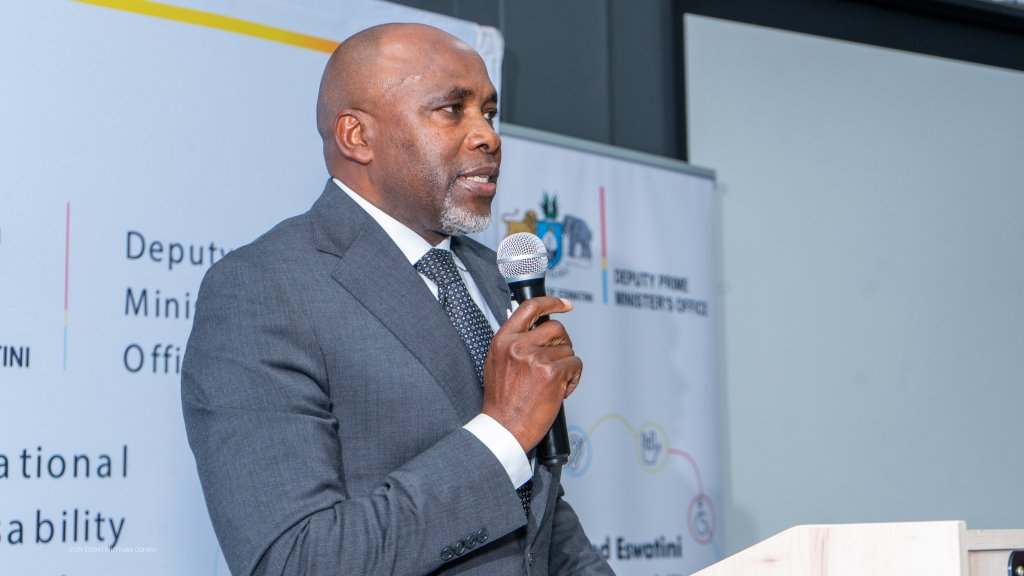
In the lead-up to the 81st session of the UN General Assembly, George Wachira, the UN Resident Coordinator in Eswatini, discusses how cooperation with the UN and global partners has had a tangible impact in the lives of emaSwati, even amid cuts to development financing.
In an increasingly uncertain world, global collaboration is more important than ever to drive resilience, development and shared prosperity at the national level.
Climate change is intensifying. Debt burdens are constraining development. Conflicts continue to disrupt lives and economies. Technological advances are creating new opportunities, but also widening inequalities and outpacing existing safeguards.
Against this backdrop, one question is increasingly being asked: can international partnerships still deliver impact for countries and communities?
Eswatini’s commitment to multilateralism
As the world congregates for the opening of the 81st session of the UN General Assembly, the answer matters for all countries, but especially for smaller and more vulnerable economies like the Kingdom of Eswatini.
It was therefore fitting that Eswatini recently hosted the First Session of the Africa–EU Parliamentary Assembly. Bringing together parliamentarians from Africa, the Caribbean, the Pacific and Europe, the Assembly provided an important platform to examine the future of coordination, development financing and parliamentary diplomacy.
That Eswatini was selected to host this gathering is significant.
It reflects the country’s longstanding commitment to collaboration and its active engagement in regional and global institutions. Eswatini is home of one of the earliest calls for UN reform, having hosted the African Union Forum that resulted in the Ezulwini Consensus in 2005. The Consensus in turn gave rise to the African Union Common Position on the Reform of the UN Security Council.
Therefore, for Eswatini, multilateralism is not an abstract concept debated in conference halls.
It is a practical opportunity through which the country mobilises financing, contributes to international norms and advances national priorities to improve the lives of emaSwati.
When partnerships bring tangible impacts for Eswatini
The results speak for themselves.
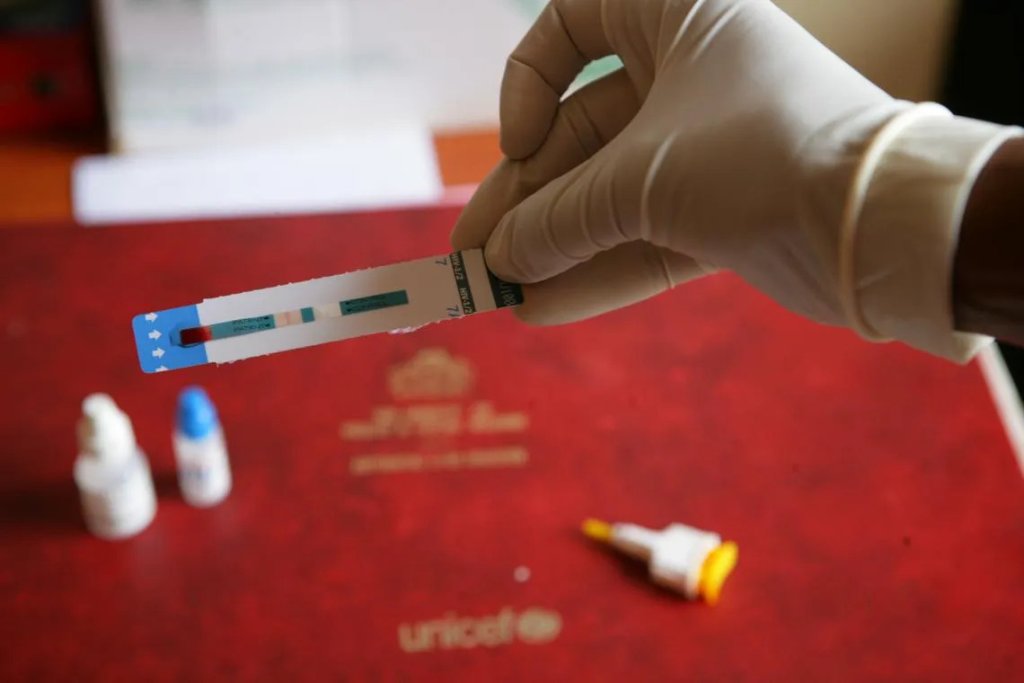
Through partnerships such as the President's Emergency Plan for AIDS Relief (PEPFAR) and the Global Fund to Fight AIDS, Tuberculosis and Malaria, Eswatini has moved from near devastation by HIV to approaching pandemic control. Treatment coverage exceeds 90 per cent, while viral suppression rates are above 95 per cent.
The Global Fund alone has invested more than $388 million in Eswatini since 2003, including a grant of $46.7 million for 2024–2027.
Just last year, the UN and partners reached more than 35,500 young people with tailored health information and referrals, including content on HIV, sexual and reproductive health. Furthermore, over 36,500 children were screened for disabilities, ensuring early identification of special needs.
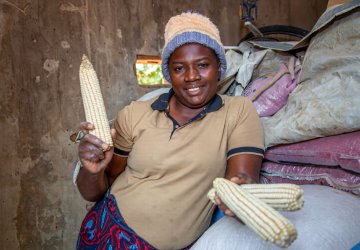
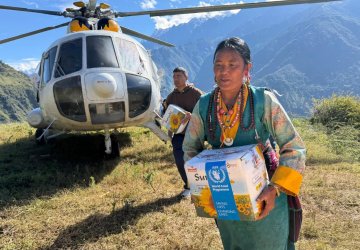
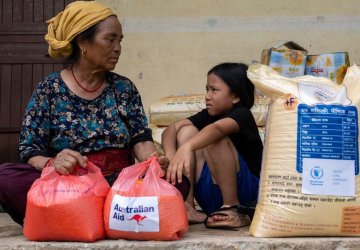
The UN provided food assistance to 59,000 most vulnerable people during the lean season, helping them avoid hunger. This support enabled households to preserve critical assets, including livestock, savings and productive capacity, protecting their livelihoods and economic recovery.
We also supported the provision of daily, warm and nutritious meals to more than 26,000 children across 863 Neighbourhood Care Points, helping safeguard their nutrition and wellbeing.
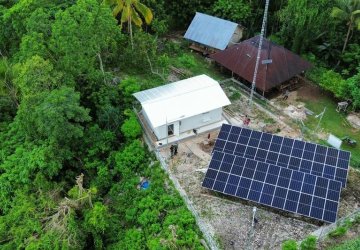
Moreover, through nationwide consultations, the UN supported the Government in drafting updated climate pledges for the Paris Agreement, charting a clear path toward mid-century net-zero emissions while enhancing access to international climate finance.
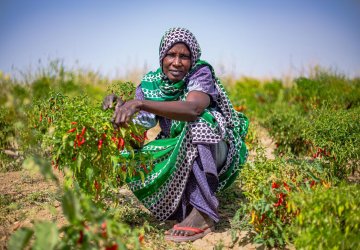
These efforts helped generate more than $22 million in new resources for climate-resilient agriculture, biodiversity conservation, hazardous waste management and nature-based tourism, directly benefiting smallholder farmers, youth groups and vulnerable communities in drought-prone areas.
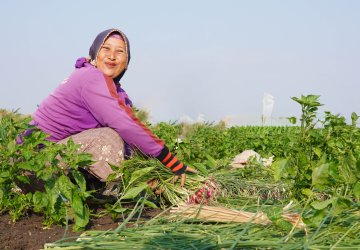
This climate finance is on top of more than $11 million in public and private investment commitments to strengthen agricultural value chains, connecting farmers with financing, processing and markets.
These outcomes have saved lives and demonstrated the transformative power of collaboration.
But reduced international support is placing additional pressure on some HIV testing, prevention and community outreach services, particularly those serving adolescent girls and young women.
As the global development financing landscape evolves, we must build on these gains through stronger national ownership, increased domestic investment, diversified financing sources and continued international partnerships.
The reality of financing for cooperation
The reality is that Official Development Assistance is declining, but it has not been replaced by financing that is affordable, accessible and responsive to national priorities.
Many countries continue to face fiscal constraints, high borrowing costs and credit ratings that do not fully reflect their economic potential.
The challenge, therefore, is not whether global collaboration works, but how to make it work better for small and vulnerable countries like Eswatini.
This points to the urgency of reforming the international financial architecture to ensure fair credit rating approaches and expanded access to finance.
From the UN’s perspective, four priorities stand out:
- First, access to global funds must be simplified so that countries with limited capacity can make fuller use of available resources.
- Second, financing should move from fragmented interventions to coordinated, country-led platforms that align health, climate, education and digital investments.
- Third, countries must reimagine their approach to development through expanding their domestic resource capabilities to drive progress.
- Fourth, countries must respond to their demographic realities and development needs through investing in context-responsive human capital. More than 70 per cent of emaSwati are under 35. In a world where many countries face ageing populations and shrinking workforces, investments in health, education, skills and digital infrastructure are not only national priorities; they are a global good.
The middle-income paradox
Eswatini’s experience also illustrates a broader challenge.
With GDP per capita of approximately $4,300, Eswatini carries the label of a lower-middle-income country.
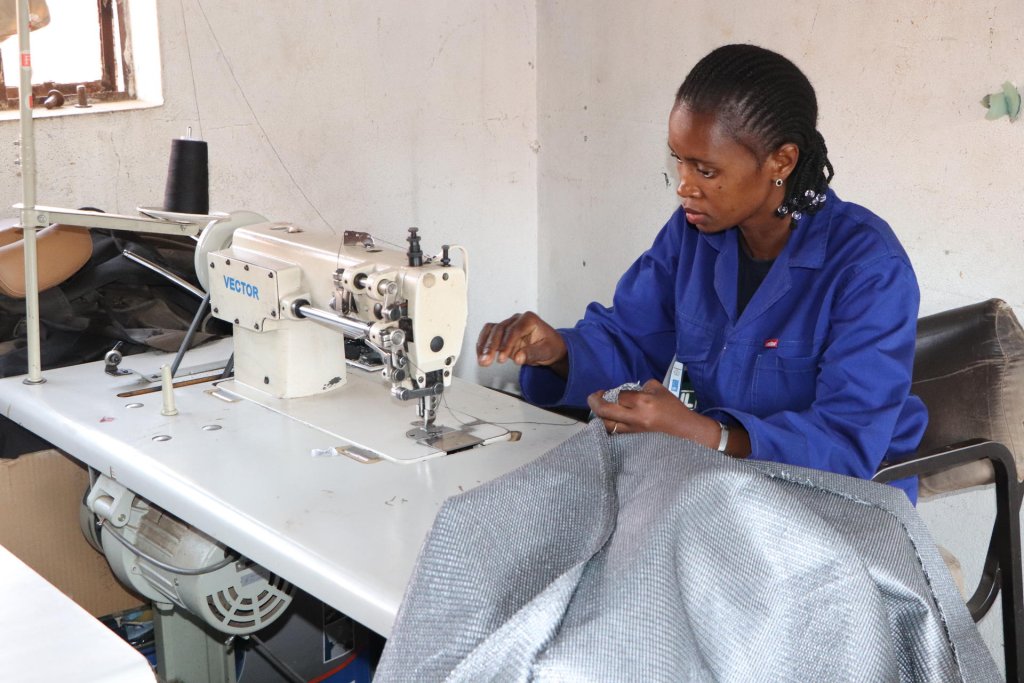
Yet more than 59 per cent of the population lives below the lower-middle-income poverty line. Youth unemployment exceeds 50 per cent. Inequality remains among the highest in the world, with a Gini coefficient above 54.6.
This creates a paradox: graduation in statistics, but not in actual, inclusive progress.
As United Nations Secretary-General António Guterres has noted, GDP shows what we produce, but not what we value. It does not capture inequality, climate vulnerability or institutional resilience.
Meeting priorities amid smaller budgets
To address this paradox as development assistance fades, we need a clear path forward that makes the most of every dollar invested.
A major milestone in 2025 was the launch of the ‘last mile’ UN Sustainable Development Cooperation Framework for 2026–2030 after extensive consultations with the Government, the private sector, civil society and academia.
The new Cooperation Framework was developed by the UN Country Team after an evaluation of the past framework with input from the UN Development Coordination Office (UNDCO). With a clearer results chain, improved development indicators and a commitment to fewer but more impactful initiatives, the framework navigates the current financing landscape while still addressing national priorities.
The Framework also emphasises enhanced domestic resource mobilisation, an improved investment environment and accountable public finance management.
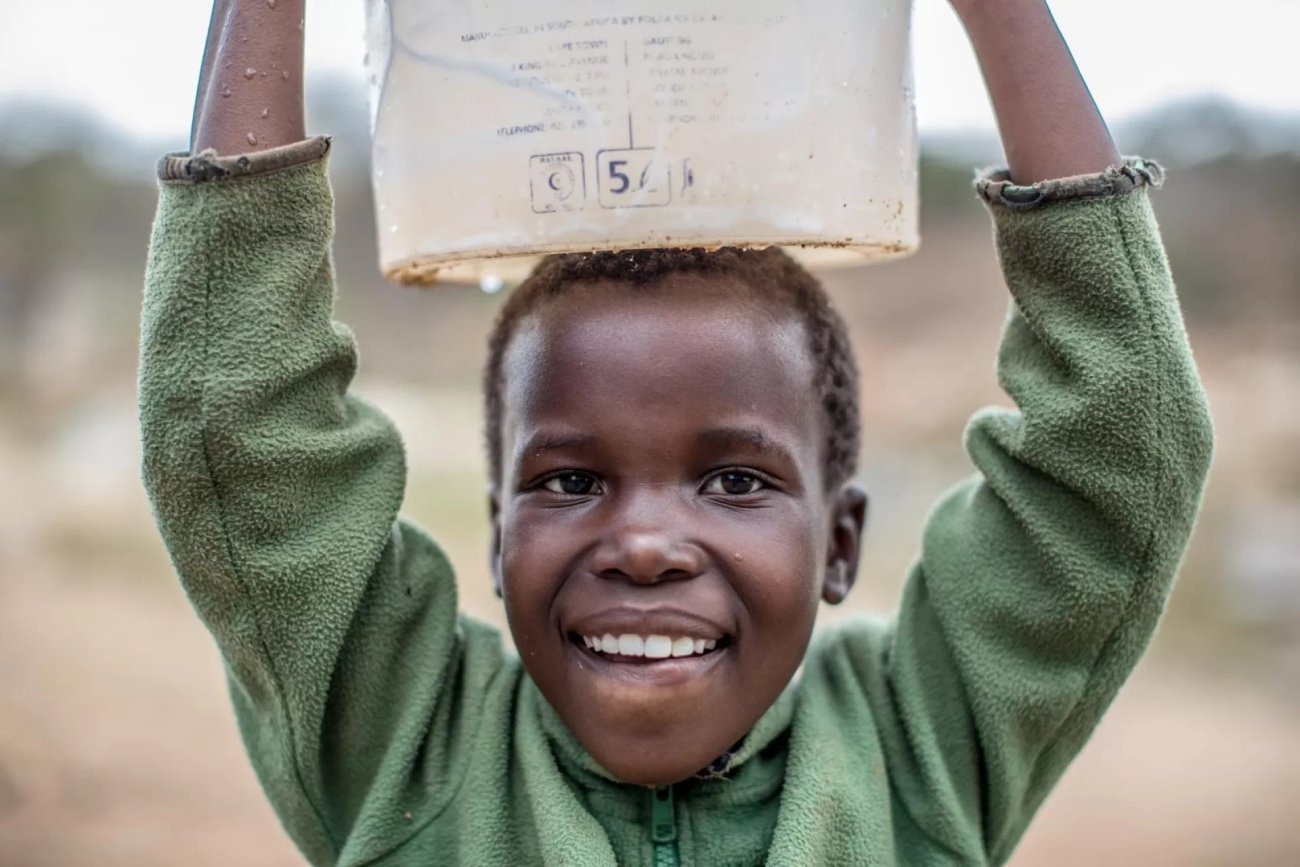
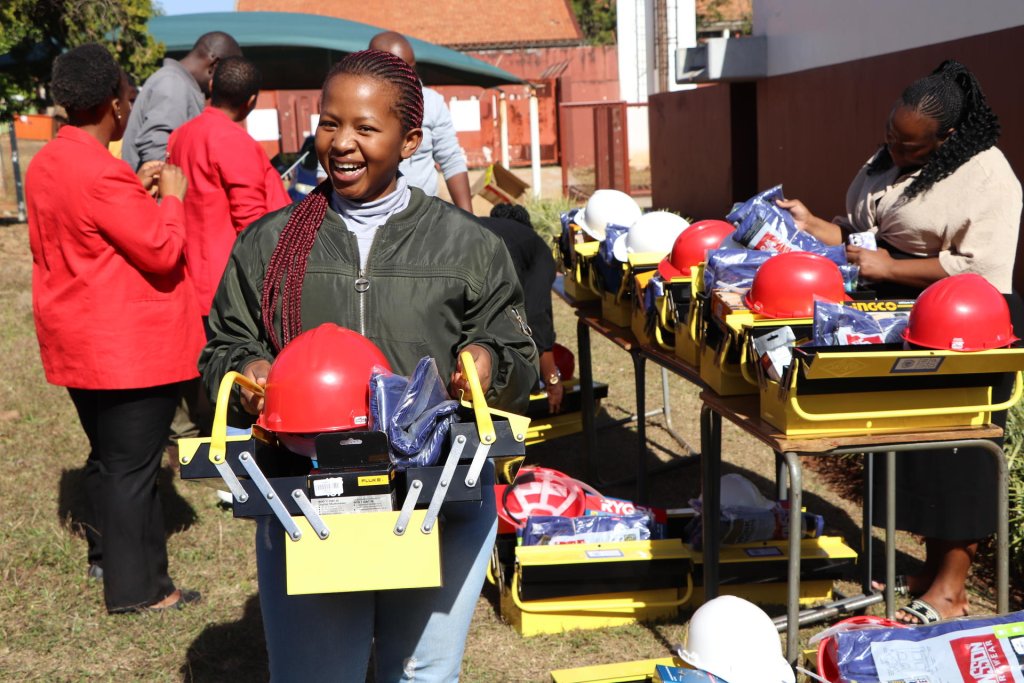
In practice, this means that rural communities will have more water pumps to choose from, vital health resources will be more quickly disbursed, fewer organizations will spend time on duplicated efforts and more students will have access to upgraded technologies in their classrooms.
A smarter, fairer form of collective action
The true test of international cooperation is simple: does it improve lives? Does it enable collective action on common challenges? Does it promote peace and the equality of nations?
The way forward is clear.
Collaboration must become more resilient and predictable.
Income status must not be the sole determinant of development opportunity.
And partnerships must shift from fragmented interventions to integrated solutions delivered at scale.
If we succeed, Eswatini can become not only a beneficiary of multilateralism, but a case study of its success in action.
This blog was adapted from an article written by George Wachira, the UN Resident Coordinator in Eswatini. Please visit the UN team's website for more information about the UN's work in Eswatini.





Latest news and updates