Resilience is Built: Lessons from Four Years in Zambia
As she concludes four years as UN Resident Coordinator in Zambia, Beatrice M. Mutali reflects on a period marked by progress in debt restructuring, inflation, tourism and agricultural production, and on what Zambia’s experience can teach us about building long-term resilience.
When I arrived in Zambia in May 2022, the country was emerging from a difficult period. It was grappling with the aftermath of COVID-19, managing the impact of its 2020 sovereign default and working to restructure its external debt. I did not know then what further challenges lay ahead, or how those experiences would shape my understanding of Zambia and its people.
In October 2023, a major cholera outbreak took hold. By July, 23,382 people had contracted the disease and 740 had lost their lives. I remember the urgency of those days: the National Heroes Stadium transformed into a cholera treatment centre, health workers under immense pressure and communities mobilising to stop the disease from spreading. The Government led a multisectoral response spanning treatment, surveillance, vaccination, water and sanitation. Within months, cases were declining; by July, no new cases were being reported.
Then came the drought.
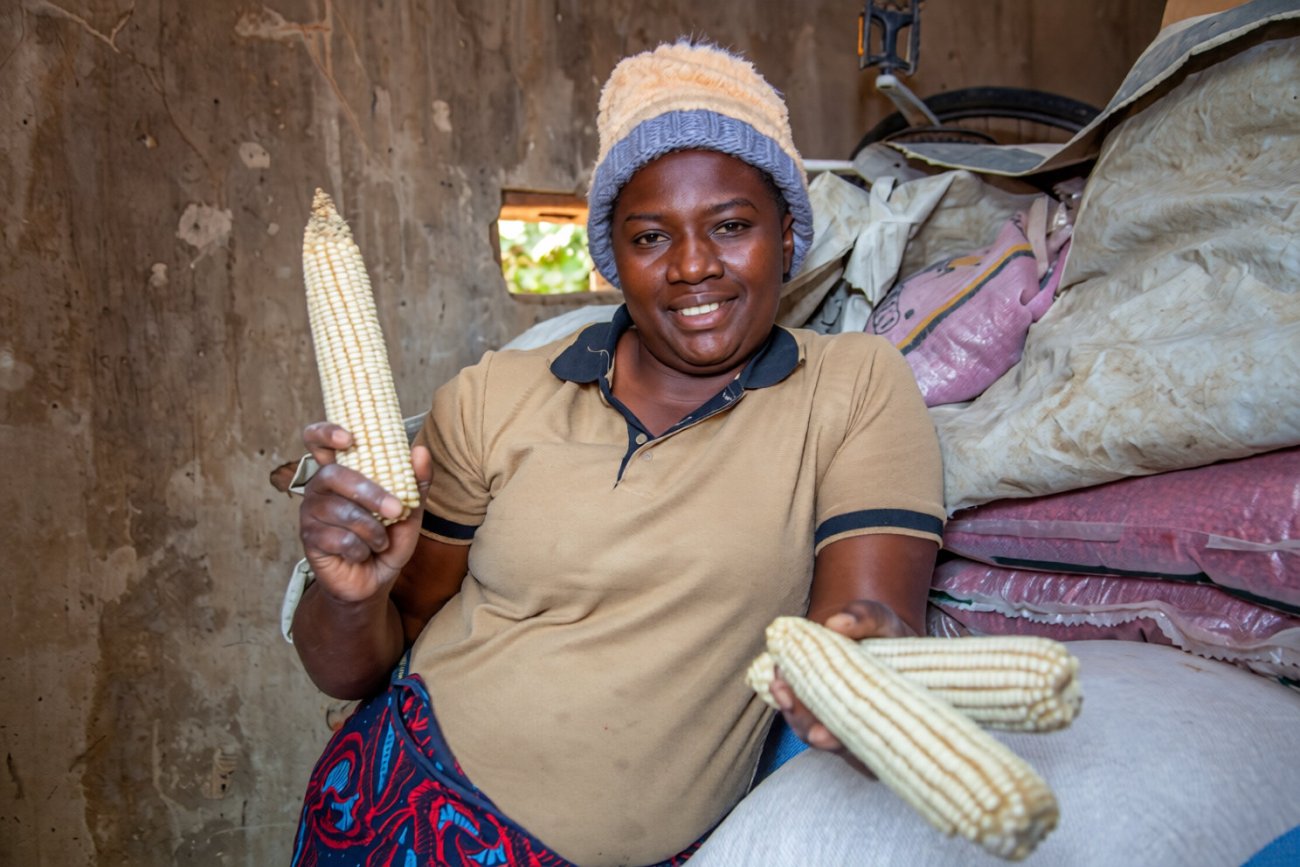
In February 2024, the President declared a national disaster and emergency after Zambia experienced its driest agricultural season in more than 40 years. More than nine million people across 84 districts were affected, and nearly one million hectares of maize were destroyed. Livelihoods were threatened, food insecurity deepened and hydropower generation was severely constrained.
The Government’s resolve was clear: no Zambian should die of hunger. That commitment shaped a nationally-led response involving food assistance, social protection and measures to secure food supplies. Despite the severity of the drought, the collective response ensured that no Zambian lost their life to hunger.

When crisis becomes a test of resilience
As I prepare to leave Zambia after four years, the word that stays with me is not crisis. It is resilience.
I have seen that resilience in health workers confronting cholera, communities adapting when rains failed, farmers returning to their fields and institutions functioning under pressure. But Zambia has taught me that resilience is not simply the ability to endure. It is built through sustained national leadership, capable institutions and difficult choices guided by a longer-term national vision.
Today, we are seeing the results of that resilience. Zambia has made progress in restructuring its external debt, with agreements covering 94 per cent of the debts targeted for restructuring.
These hard-won gains reflect the resilience of the Zambian people, steady policy direction, institutional perseverance and strong national leadership.
The August 2026 elections brought a different test of Zambia’s resilience. Elections are nationally owned, and the UN neither observes nor determines their outcome. My role, and that of the UN system, was therefore to remain firmly non-partisan while supporting peaceful and inclusive democratic processes. When tensions rose in the aftermath, through its good offices, the UN provided a neutral space for engagement, facilitated dialogue between relevant political actors and national authorities, and supported efforts towards a peaceful resolution. For me, this was another reminder that resilience is also about the ability of institutions and leaders to manage moments of political tension through dialogue, restraint and respect for national processes.

What support looks like when Zambia leads
This is also how I understand the role of the UN in Zambia. Zambia has its own development vision; our task is to bring the collective capacities of the UN system behind it, helping connect expertise, partnerships and resources around nationally defined priorities.
Soon after my arrival, we worked with the Government to finalise the Eighth National Development Plan and developed the UN Sustainable Development Cooperation Framework 2023-2027 around those priorities. When cholera struck, the UN mobilised behind the Government-led response. When drought followed, we brought together UN agencies, cooperating partners and international NGOs through a light Humanitarian Country Team to align needs, resources and action.
For me, this is where coordination matters most. By bringing together the expertise of different UN agencies, the Resident Coordinator’s Office helps ensure support is more coherent and better aligned with Zambia’s priorities. Today, around 14 joint programmes bring agencies together around shared priorities.
Making partnerships work harder for Zambia
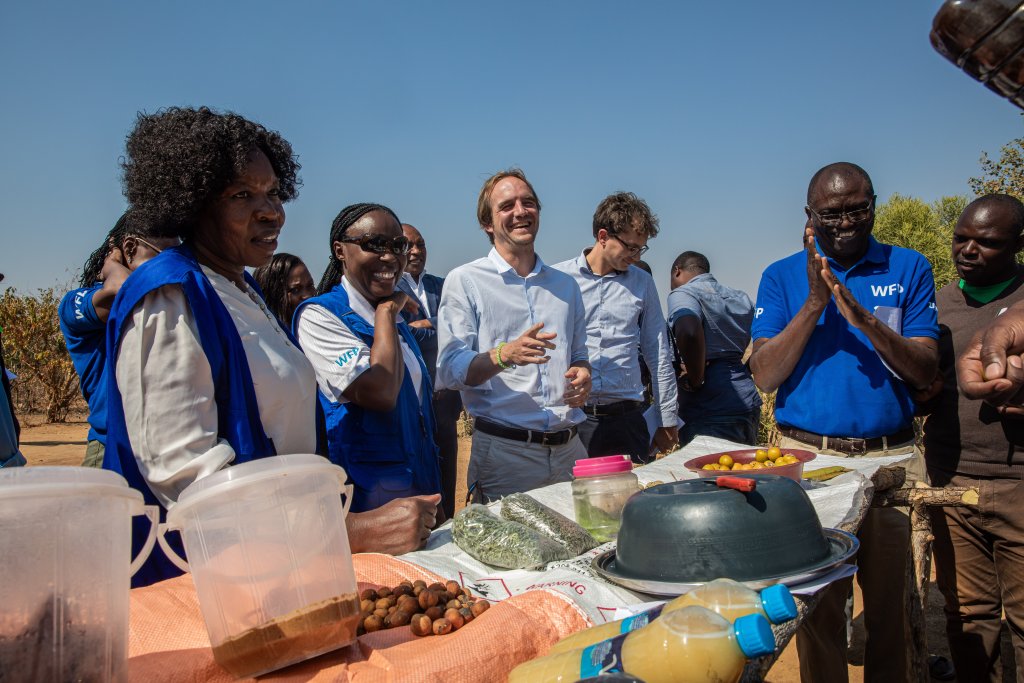
Beyond the UN system, we worked to bring development partners into closer alignment with Zambia’s national priorities. The UN played a stronger convening role, helping partners identify shared priorities and better align support through the Ministry of Finance and National Planning. This helped create a more consistent approach to development support and strengthened the Government’s ability to lead that coordination.
All this matters because programmes end, partners change and leaders move on. Strong institutions and national systems must endure. Our contribution must be measured by what we deliver today and what remains long after we are gone.
Building beyond the next crisis
The same long-term thinking must guide Zambia’s investment in its people. Its young population offers enormous potential, a demographic dividend, but only if young people have access to education, health, skills, decent work and meaningful participation. Zambia cannot realise its full potential while women remain underrepresented in leadership and economic life. Gender equality is essential to economic progress, inclusive governance and sustainable development.
As I leave Zambia, the challenge ahead is to turn resilience into lasting transformation: stronger institutions, sustained leadership, a diversified and climate-resilient economy, opportunities for young people and a society in which women participate fully and equally.
If these four years have taught me anything, it is this: resilience is not something a country simply possesses. It is something a country builds, day by day, through the choices it makes.
Please visit the UN team's website for more information about the UN's work in Zambia.





Latest news and updates