
From Investment to Impact: South Africa Builds Partnerships for Inclusive Growth
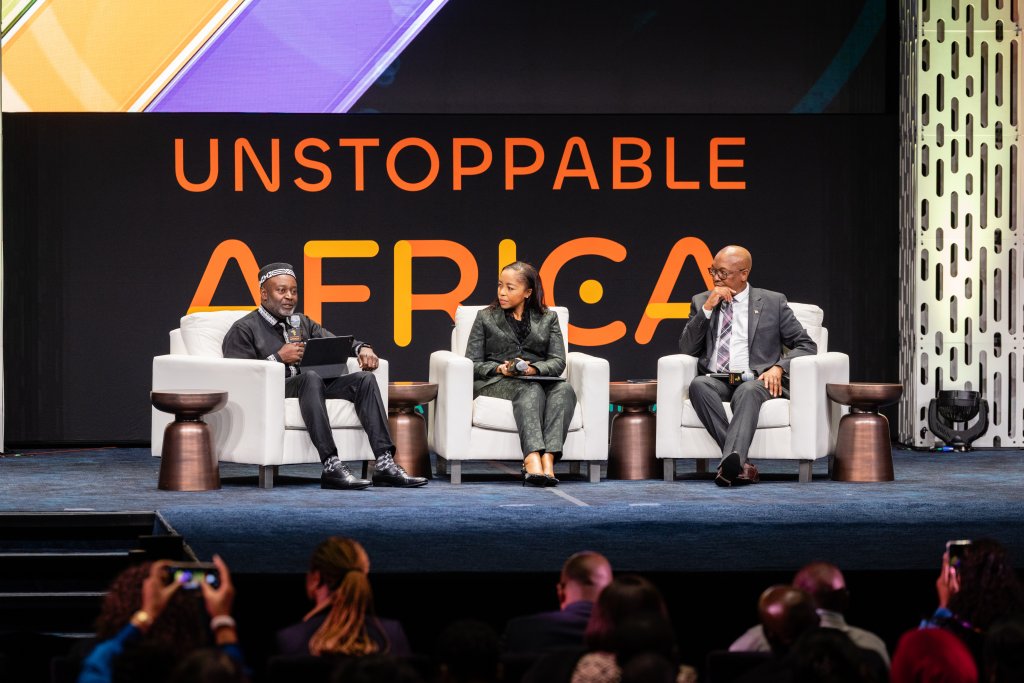
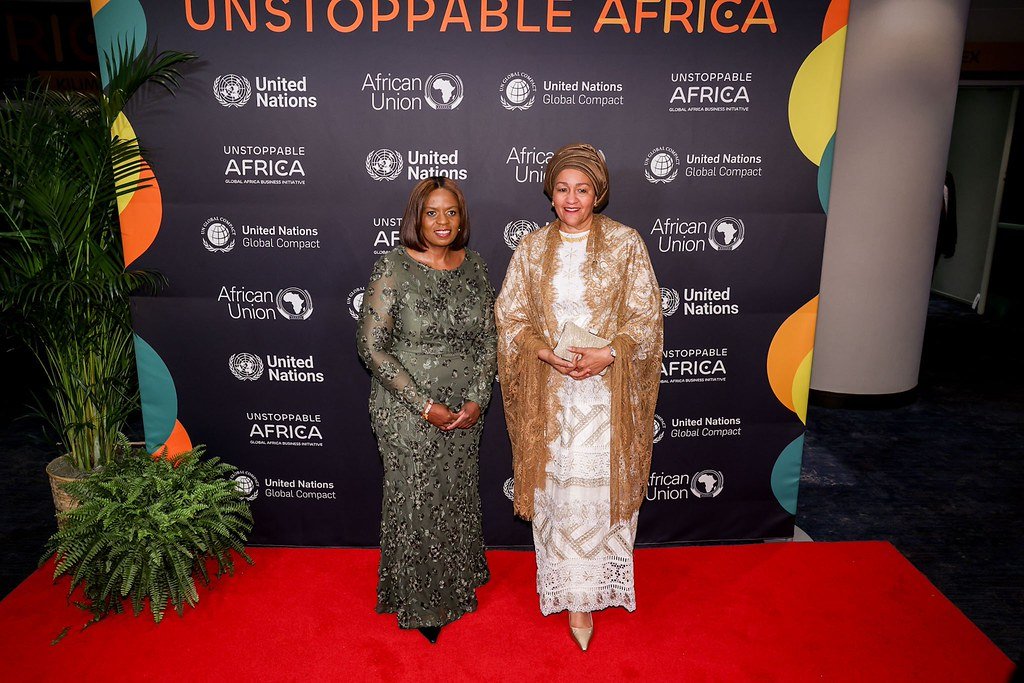
South Africa reached an important milestone at Unstoppable Africa 2026 in New York, where it was showcased not only as an investment destination, but also as a gateway to wider African opportunity, innovation and impact.
The central question was centered on unlocking opportunities and ensuring that investment translates into growing businesses, sustainable jobs and benefits that reach more communities.
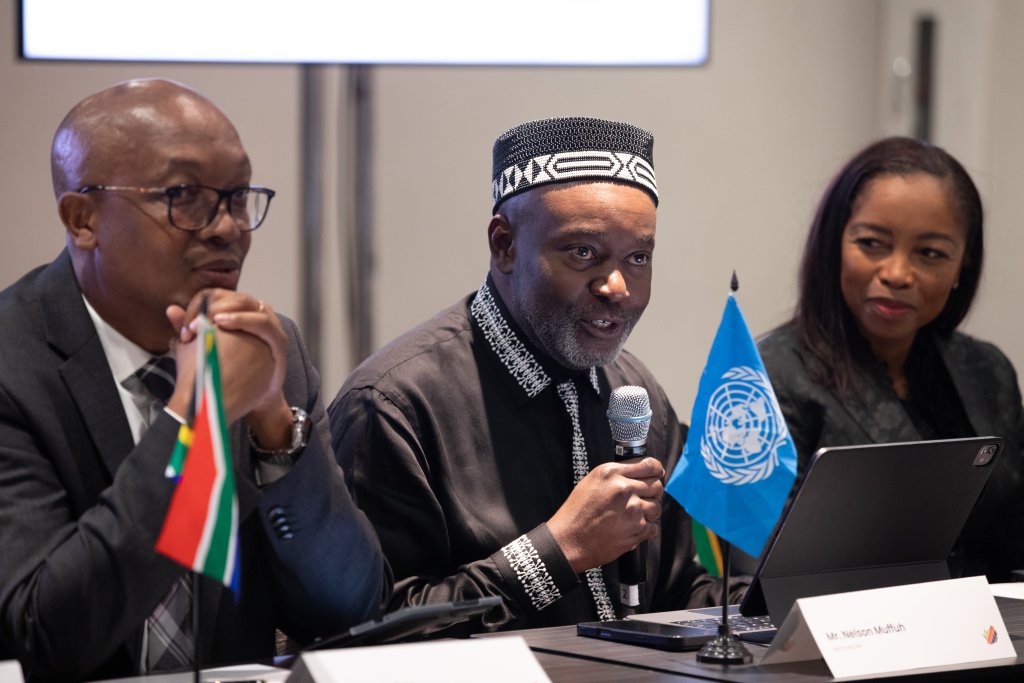
“We need to ensure that scale and growth lead to reducing inequality, because that's the impact we're trying to make,” said UN Resident Coordinator Nelson Muffuh.
That challenge sat at the centre of two discussions Mr. Muffuh convened during the United Nations General Assembly High-Level Week. Both sessions were anchored in the South African Business Initiative for Impact (SABII), a platform bringing together Government, business, investors, development finance institutions, development partners and the United Nations around shared national priorities and collective action.
Mr. Muffuh moderated the main-stage dialogue on South Africa as a gateway for investment, innovation and impact, then convened a closed-door SABII Leadership Roundtable focused on turning opportunity into practical development results.
The global platform also highlighted the importance of economic diplomacy. Countries are shaped by facts, but also by perceptions, which can influence investment, trade, tourism, confidence and livelihoods. Presenting a fuller account of South Africa’s capabilities, reforms, creativity and regional role is therefore part of creating the conditions for partnership and investment.
Growth that reaches people
Across discussions on industrialisation, the African Continental Free Trade Area, regional value chains, digital transformation, the energy transition, food systems, youth employment, skills development and investment mobilisation, participants repeatedly returned to the same practical question: how can ambition be converted into implementation?
Minister of Trade, Industry and Competition Parks Tau emphasised collaboration between Government and business.
"It is the success of Government and business working together to confront the challenges that we face," Mr. Tau said, before posing the next question: "How do we take the country to the next level?"
He also pointed to reforms in South Africa's economic management, energy and transport, alongside industrial and trade strategies designed to strengthen regional value chains.
Phuthi Mahanyele-Dabengwa, Chief Executive Officer and Executive Director of Naspers and SABII Co-chair and Champion, reinforced the private sector's role. Ms. Mahanyele-Dabengwa called for stronger economic cooperation within Africa and for African countries to participate in developing, not simply consuming, the digital technologies shaping the continent's future.
Investment is more likely to create lasting jobs when it is matched by infrastructure, relevant skills, business support and access to markets.
Connecting young people to opportunities
According to Statistics South Africa, approximately 8.5 million people were officially unemployed in the second quarter of 2026, including approximately 5 million young people aged 15–34. A broader measure that also includes people in the potential labour force put the total at 13.1 million.
The Youth Employment Service (YES) shows how private sector partnerships can expand pathways into employment. Since 2018, the programme has created approximately 250,000 paid, year-long work experiences through 2,000 companies and is currently providing around 40,000 placements annually. According to figures shared during the roundtable, 45 per cent of participants move into full-time employment, while 15 per cent start businesses.
Paid work experience can help young people enter the labour market while enabling companies to contribute directly to the development of South Africa’s future workforce.
Digital skills were another priority. Charles Murito, Google's Regional Director for Government Affairs and Public Policy in Sub-Saharan Africa, stressed the need to align education and training with employers' needs.
"The digital transformation opportunity is there today, not tomorrow," Mr. Murito said.
Drawing on Google's experience recruiting senior software developers, Mr. Murito noted that demand for digital expertise is growing even as companies struggle to find candidates with the required skills. He called for "a more concerted effort" to connect those requirements with the education system.
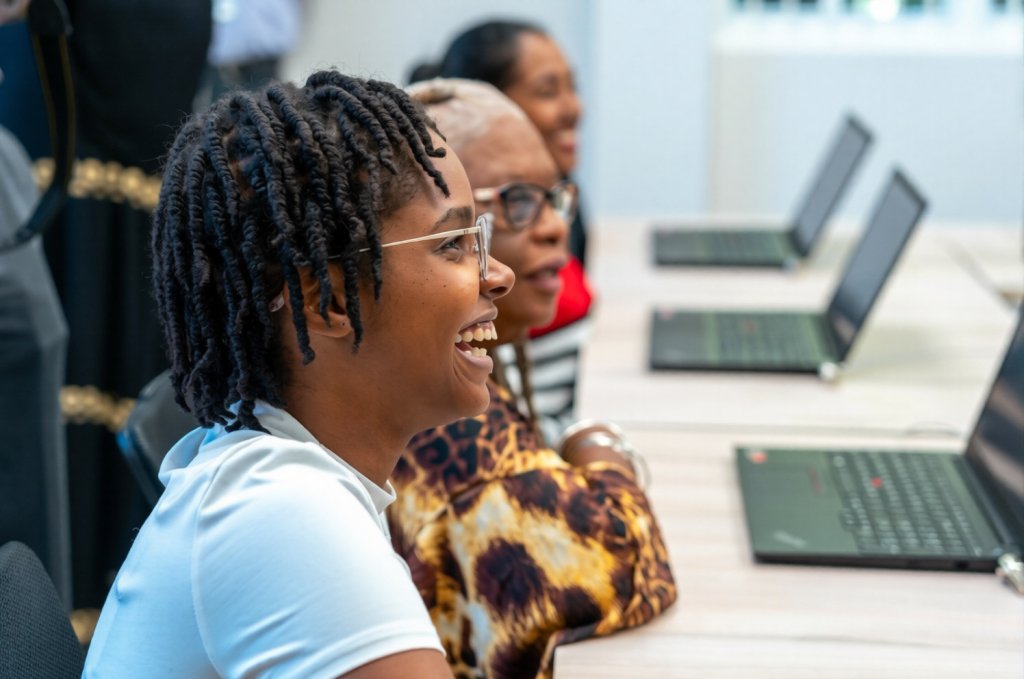
Partnerships involving Google, Microsoft and other technology companies are providing approximately 250,000 young people annually with training in artificial intelligence and other digital skills.
Sport is also creating opportunities. Clare Akamanzi, Chief Executive Officer of NBA Africa, highlighted the economic impact of the Basketball Africa League, a partnership between NBA Africa and the International Basketball Federation.
According to figures shared during the roundtable, the league has supported close to 40,000 jobs over six years across its host markets, including South Africa. Ms. Akamanzi also pointed to opportunities throughout the basketball ecosystem, including digital services, event management, nutrition, sports science and medicine.
These examples show that partnerships across sectors can connect young people with skills, experience, employment and opportunities to build businesses of their own.
Connecting finance to enterprises and markets
Government creates enabling conditions, businesses provide jobs and market opportunities, and financial institutions help enterprises expand.
SABII seeks to organize this collaboration around shared priorities, connect institutions and actors that might not otherwise work together, and support the transition from dialogue to implementation. This reflects the UN’s convening role under the Cooperation Framework: aligning public and private leadership around national priorities and accelerating progress towards the Sustainable Development Goals.
Makhosazana "Makhosi" Makhathini, Chief Executive Officer of South Africa's Industrial Development Corporation, explained how finance can be combined with practical support. Through the Industrial Development Corporation's Small and Medium-Sized Enterprise (SME) Connect programme, businesses are linked to commercial partners and new markets.
She shared the example of a young entrepreneur who began by supplying cleaning products and is now expanding into food products through partnerships with major retailers, including Woolworths and Checkers.
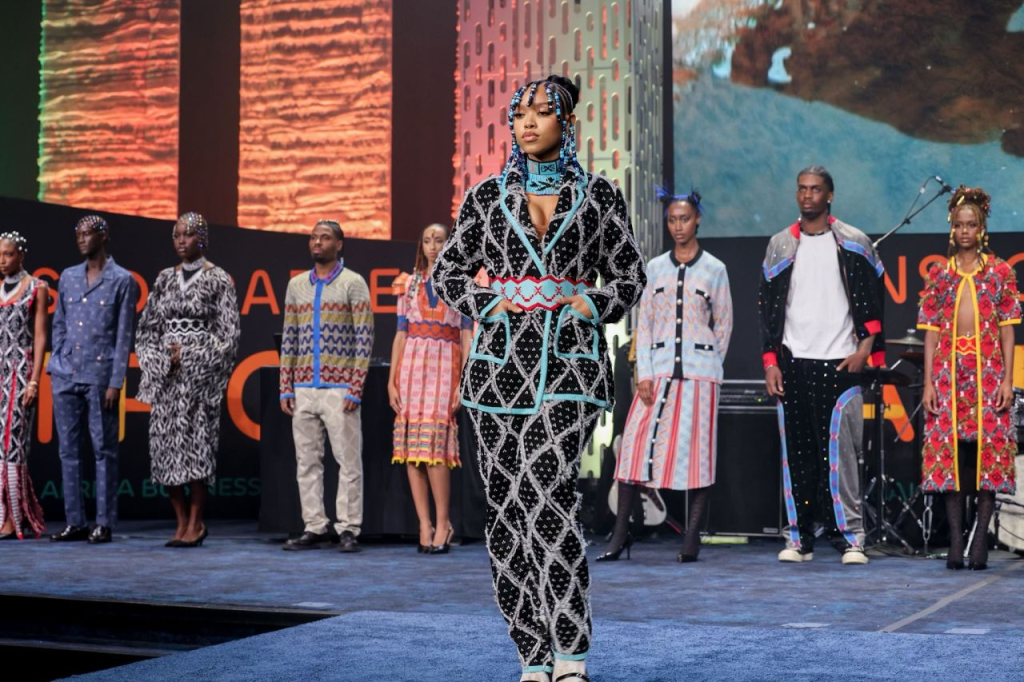
South Africa’s creative economy provided another expression of this opportunity. The showcasing of Maxhosa Africa and Naledi at the Unstoppable Africa Dinner demonstrated that the country’s story is not only one of investment and growth, but also of creativity, confidence, culture and global relevance.
From dialogue to delivery
Partnership was the defining message of the week. The roundtable enabled partners to clarify the contribution each could make, from financing and policy support to technical expertise and market access, and to identify next steps for promising initiatives.
Through SABII, the UN Country Team, led by Resident Coordinator Nelson Muffuh, will continue to support partners in carrying emerging collaborations forward, linking investment to the skills, markets, financing and institutional cooperation required for inclusive growth.
SABII’s success will ultimately be measured by its ability to convert opportunities into partnerships, partnerships into investment, and investment into tangible impact for people and communities, all while advancing South Africa’s development priorities, the Sustainable Development Goals and the objectives of the UN Cooperation Framework.
Please visit the UN team's website for more information about the UN's work in South Africa.





Latest news and updates