Making Waves: How Saudi Arabia is Redefining Water Leadership
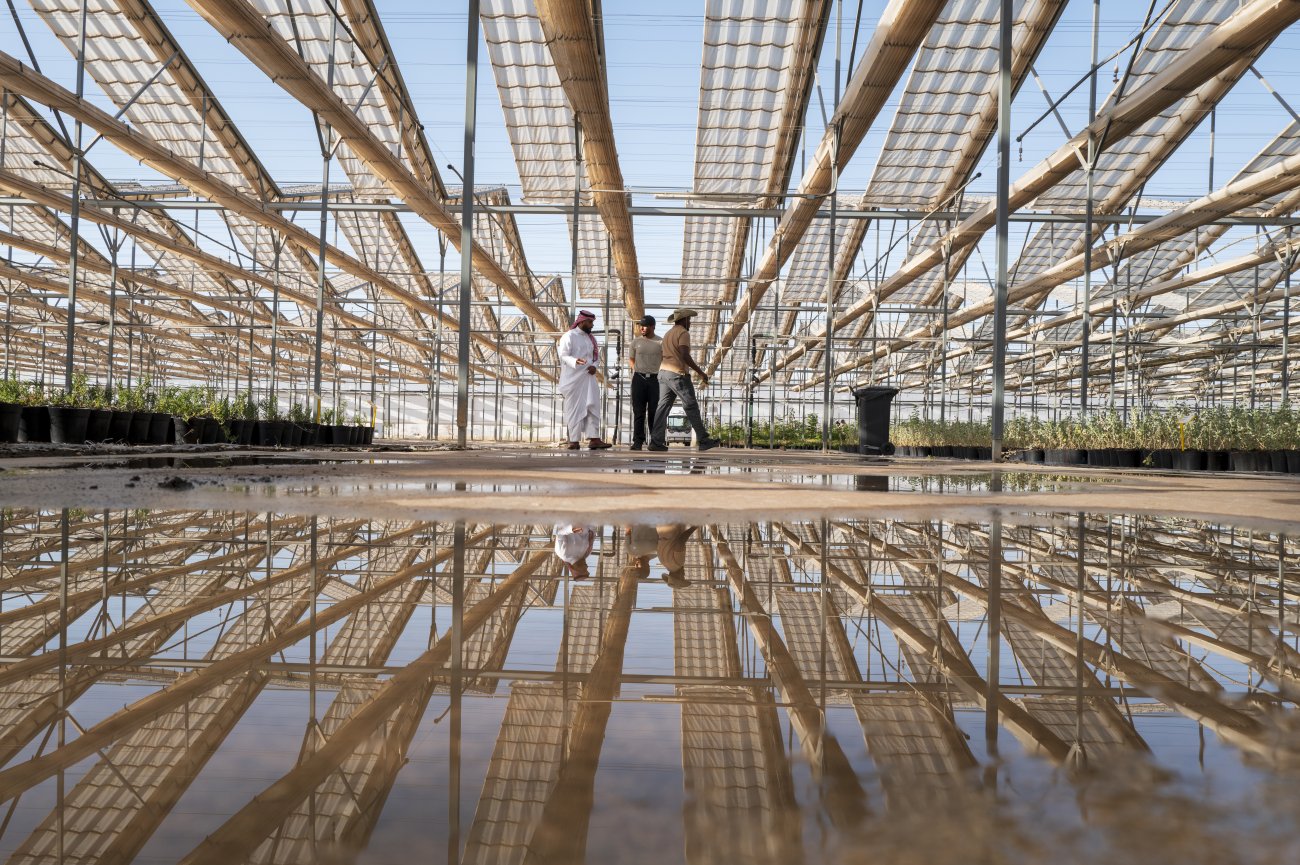
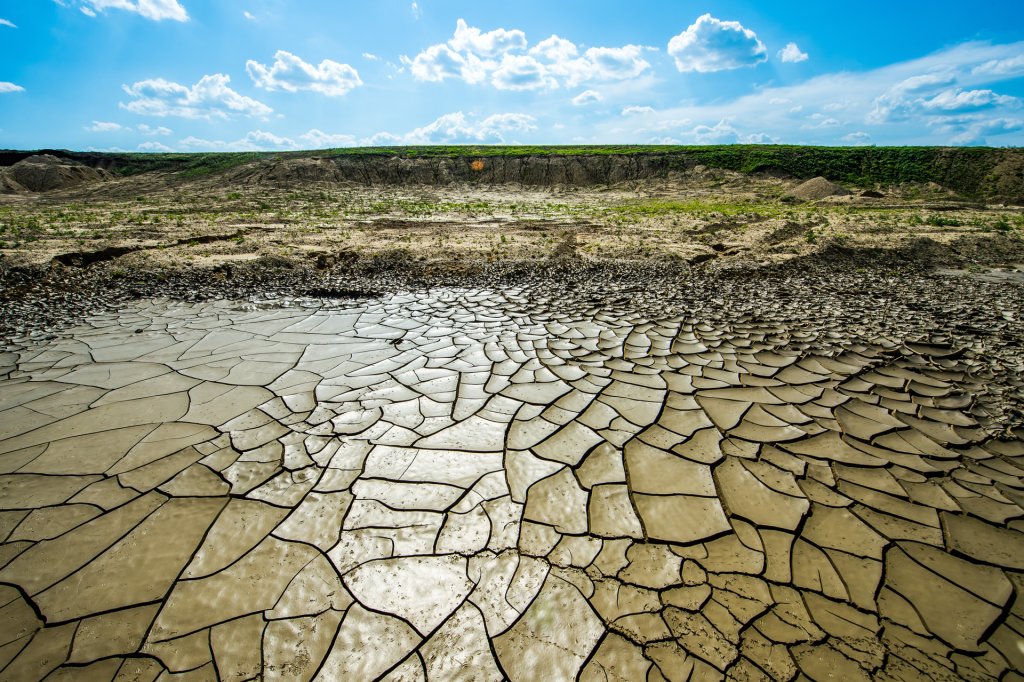
Saudi Arabia is emerging as a champion of effective water governance for the world. A sprawling desert Kingdom that receives less than 100 millimetres of rain annually, temperatures in Saudi Arabia can scorch beyond 50°C with droughts often accompanying raging heat. Pursuing its Vision 2030, the country is diversifying its economy, reducing its reliance on oil and improving quality of life. Central to this is the clear-eyed recognition that water is not only vital to health, but also a driver of economic and social development.
Over the last decade, Saudi Arabia has:
- Increased the rate of treated wastewater reuse from 17 per cent in 2019 to 30 per cent in 2026 and growing.
- Reduced energy requirements for desalination water production in new plants by more than 50 per cent.
- Ensured that 99 per cent of collected wastewater is now treated.
- Reused more than 33 per cent of treated water for irrigation, agriculture and industry.
“With UN support, the Kingdom is not only consuming water but conserving, repurposing, enhancing and leveraging it,” says Mohamed El Zarkani, the UN Resident Coordinator in Saudi Arabia.
The need to make every drop count is reshaping how the Kingdom thinks about the precious liquid – and offering a roadmap to countries seeking solutions to increasingly long and frequent droughts.
An outpouring of ambition
In 2018, Saudi Arabia launched a National Water Strategy as a key element of its Vision 2030. Its goal was bold but feasible: to achieve a sustainable water sector, safeguard the Kingdom’s natural resources and environment while providing cost-effective supply and high-quality services.
Water planning requires a delicate balance between learning from past scarcities, accommodating present demand and avoiding, predicting and managing future challenges.
For this reason, the Ministry of Environment, Water and Agriculture (MEWA) established a Water Information Centre integrating digital mapping, satellite imagery and national monitoring systems, among other tools, to strengthen evidence-based decision-making. Water intelligence systems were further embedded across key institutions, supported by expanded technical skills and the development of Saudi expertise in the water sector.
With stronger expertise and refined techniques, the Kingdom also turned its attention to the infrastructure for containing and channelling water. Under the oversight of the Saudi Water Authority, the country’s capacity to produce desalinated water has reached unprecedented levels: more than 16 million m³ of water is produced daily across more than 40 plants, and is now usable and potable.
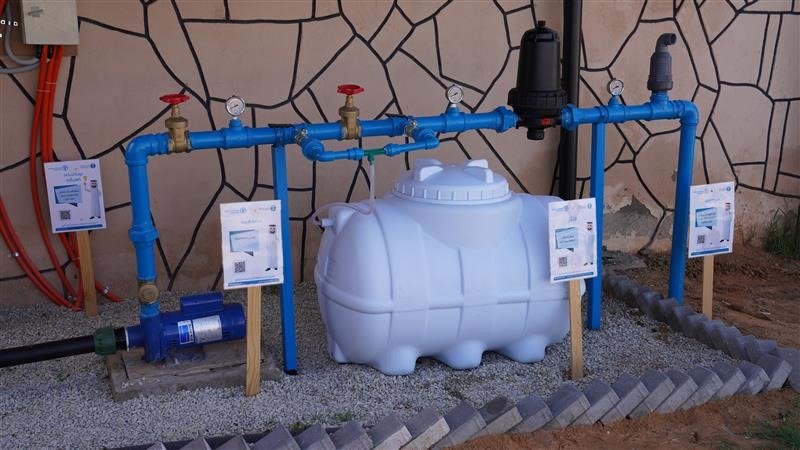
Saudi Arabia now has over 400 groundwater and surface-water treatment plants and exceeds 18,500 km of water transmission pipelines.
Watershed connections
The Kingdom’s ambitions have also turned outwards, leveraging water for international cooperation through the Riyadh Global Drought Resilience Partnership, the Global Water Organization and the International Water Research Center.
Launched at the UN Convention to Combat Desertification (UNCCD) COP16 as a flagship initiative, the Riyadh Global Drought Resilience Partnership offers a ‘one-stop shop’ that connects 80 drought-prone countries to the technical resources, financing and knowledge sharing needed to build resilience. A testament to its urgency, more than $12 billion has been pledged so far to support the Partnership.
The Global Water Organization operates across four pillars – research and innovation, data and reporting, politics and governance, and finance and investment – to unite countries and organizations in addressing broader water challenges beyond drought. Meanwhile, the International Water Research Center will act as a knowledge and research hub for global decision-makers in the water sector.
“The three platforms capture the Kingdom’s approach in advancing practical solutions for water governance,” says Mr. El Zarkani. “One recognises that drought is an enduring reality requiring greater preparedness and resilience, while the others provide a global platform for cooperation on water security, governance and innovation. They respond to today's challenges while shaping tomorrow's solutions.”
These efforts were illuminated during the inaugural Saudi Water Week hosted this summer, where local, regional and international partners convened, including the UN Secretary-General’s Special Envoy for Water. With 180 speakers and 38 partnerships and agreements brokered, the week was anything but a dry spell. Sessions dedicated to each global region brought attention to their unique challenges and opportunities.
A wave of momentum
Saudi Arabia’s National Water Strategy, infrastructural expansion and strong networks culminated in a moment of international recognition at one of the world’s most fertile opportunities for knowledge sharing. During last year’s High-Level Political Forum in New York, the Kingdom was chosen as one of only three countries to present its experience at the SDG 6 Special Event, reflecting growing global acknowledgement of its approach to water governance.
And at this year’s High-Level Political Forum, Saudi Arabia presented its gains through its Voluntary National Review, taking stock of opportunities and challenges during a summer of stifling heatwaves.
Charting the course ahead
Saudi Arabia knew that dripping taps, depleted reservoirs and brittle earth were not distant or hypothetical. Water shortages are well-documented across the Middle East, as well as much of the world. But the intensity, duration and frequency with which drought is striking is unprecedented.
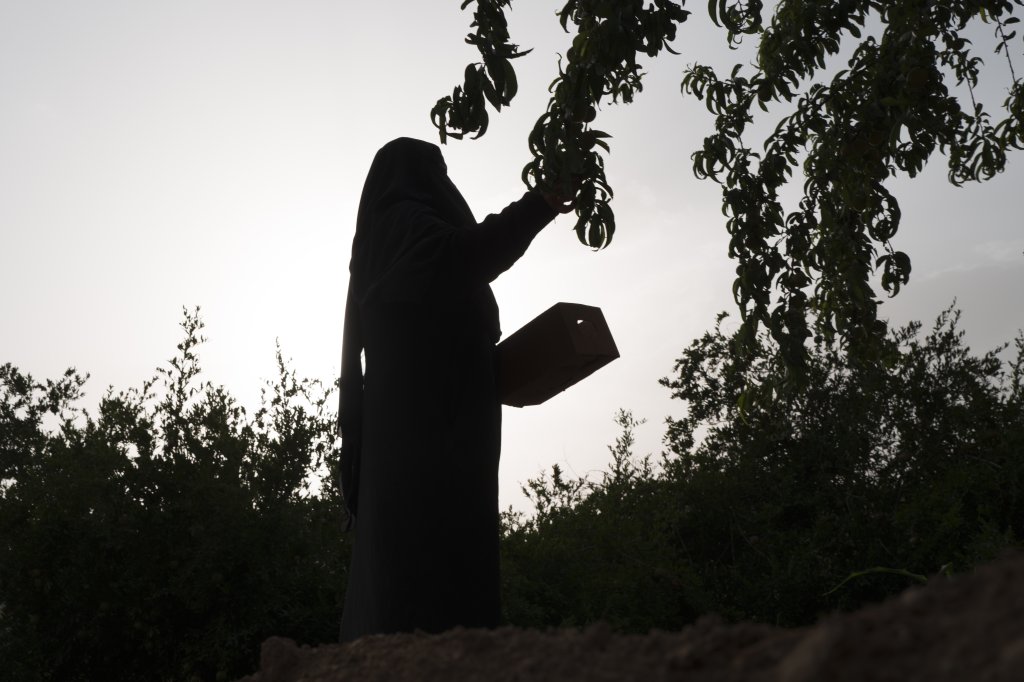
“Under the Kingdom’s Vision 2030, the challenge of water scarcity has created an abundance of coordinated partnerships, growth and – above all – real impacts on people’s lives and livelihoods,” says Mr. El Zarkani.
In a world where water security is becoming an increasingly urgent challenge, Saudi Arabia is positioning itself not only to adapt at home but also to help shape the global response.
Please visit the UN team's website for more information about the UN's work in Saudi Arabia.





Latest news and updates