How an Indigenous Community in the Philippines Shaped Housing, Education and City Planning
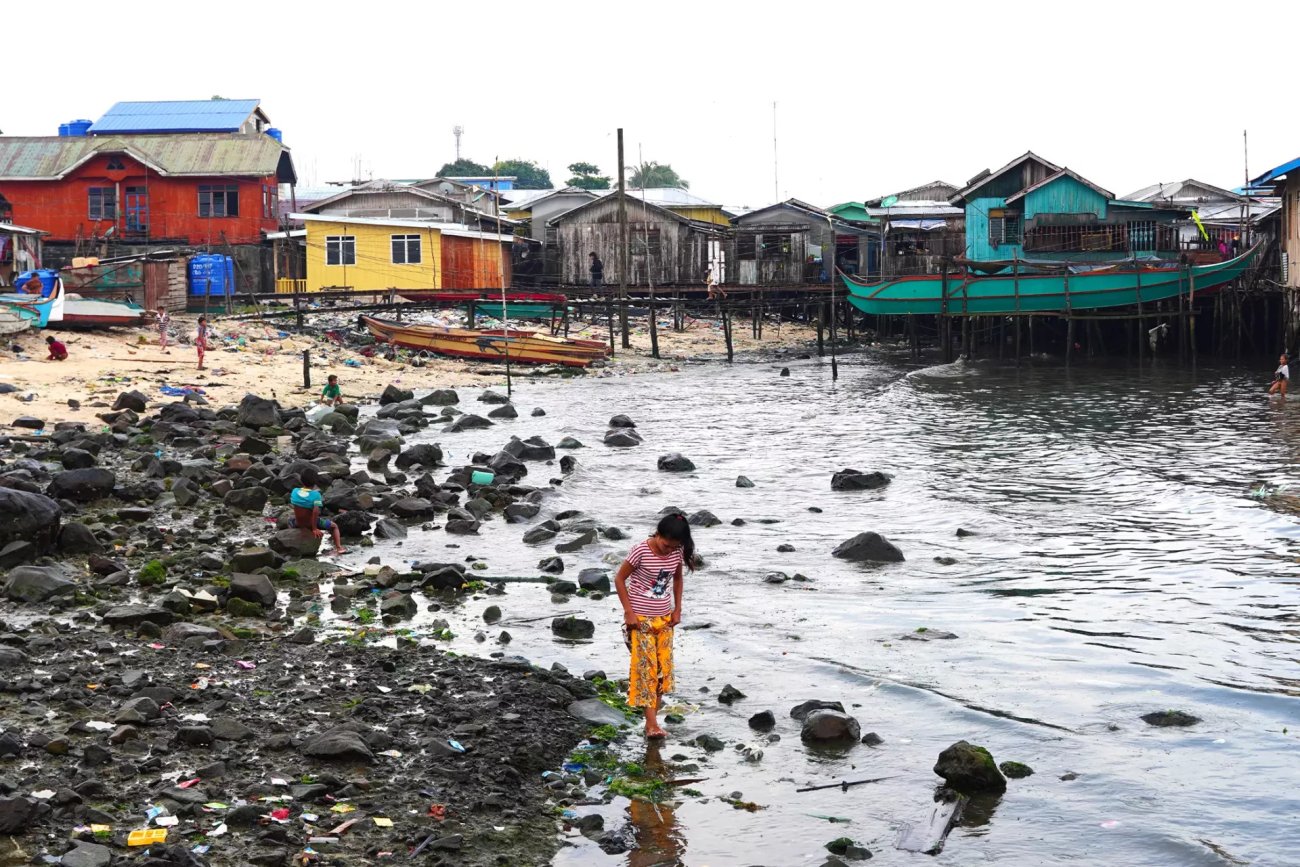
Ahead of the International Day of the World’s Indigenous Peoples, a community-led initiative in the southern Philippines shows how Indigenous families can shape safer housing, education, livelihoods and the public decisions affecting their lives.
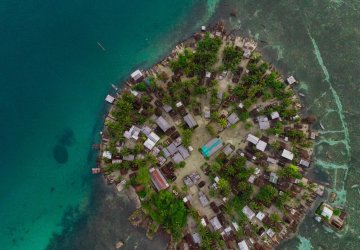
In Surigao City on the northeastern coast of Mindanao in the southern Philippines, many Sama Bajau families, an Indigenous people with a long tradition of sea-based living, have long depended on the sea for their homes, livelihoods and way of life.
But living by the coast also leaves them exposed to typhoons, flooding and other climate-related hazards.
In 2025 alone, powerful tropical cyclones and widespread flooding disrupted lives across the Philippines, compounding challenges for vulnerable coastal communities.
For some Sama Bajau families, these pressures have meant rising food prices, limited access to suitable shelter and difficulties enrolling children in school and helping them stay there.
Their experience reflects wider challenges in the Philippines and beyond: public programmes often struggle to reach Indigenous communities whose cultures, livelihoods and priorities are not fully reflected in official data or conventional planning.
In Surigao, the starting point was simple: families helped generate the evidence needed to change that.
How did families turn their lived experience into evidence for government decision-making?
The process began at the household level.
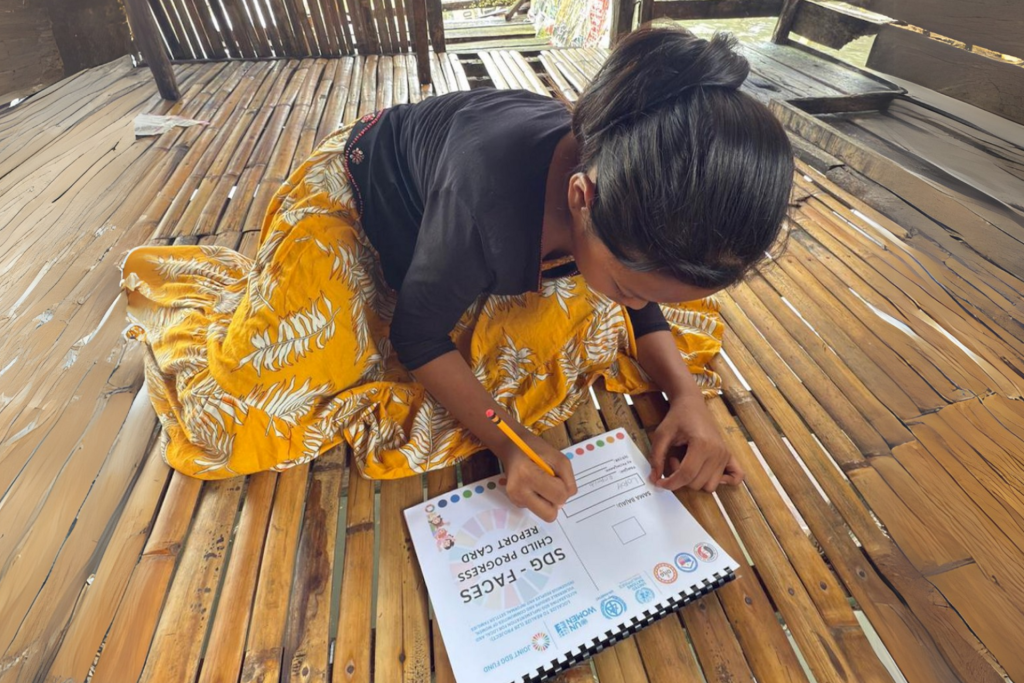
Eighty Sama Bajau and informal settler families were supported to assess their living conditions and identify the gaps affecting them most. Using household profiles, families tracked issues such as housing, education, livelihoods and access to basic services.
This information gave residents a structured way to explain what they needed, while giving local authorities and other partners more detailed evidence on where support was falling short.
UN-Habitat and UN Women helped connect these two sides, with the Resident Coordinator’s Office (RCO) bringing together the right agencies and partners so that community evidence could be translated into coordinated support, public services and local policy.
The Localize to Realize joint programme worked with Surigao City, barangay authorities, national agencies, universities, civil society and businesses to translate the priorities identified by families into practical responses. The programme was guided by the RCO and financed through the Joint SDG Fund.
UN-Habitat brought expertise in inclusive settlements, housing and local planning. UN Women helped ensure that women’s experiences and priorities were reflected in household monitoring and decision-making. The programme also created a common process through which local institutions could agree on responsibilities and respond to the evidence gathered by communities.
The UN provided technical tools, brought the relevant institutions together and helped convert community-generated data into services, plans and policy changes.
What changed for Indigenous families?
One of the most immediate priorities was safer housing.
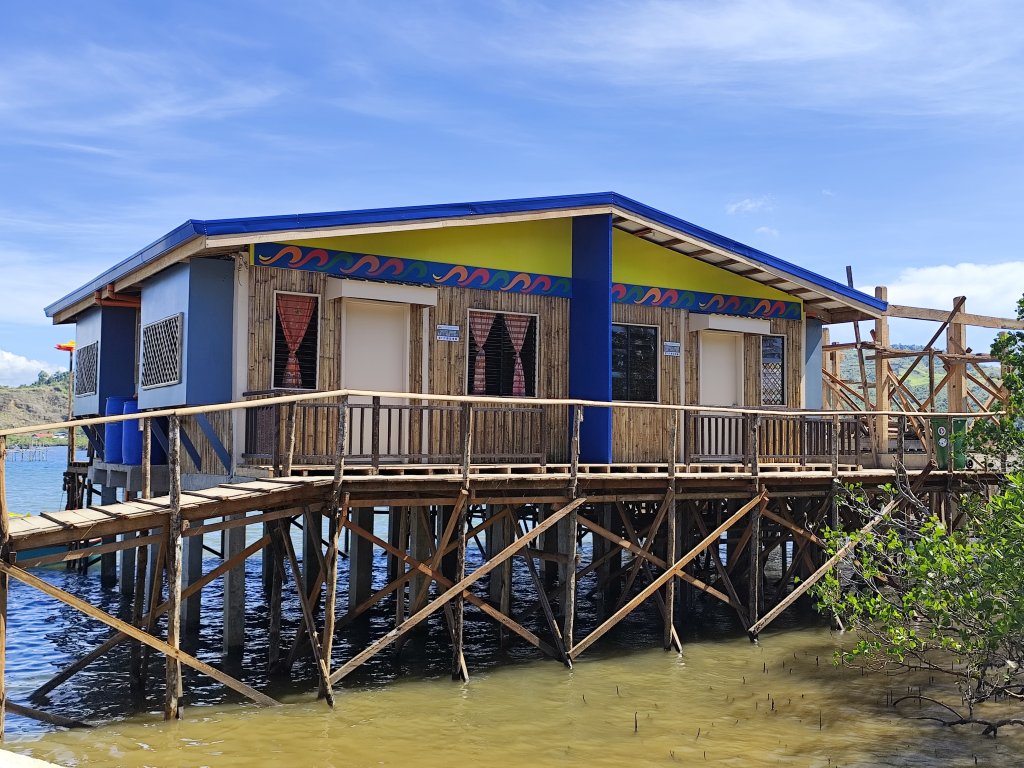
Twenty-four Sama Bajau families, comprising 143 people, moved from disaster-prone shelters into permanent houses built on stilts. The homes reflect the community’s traditional housing style and include water, sanitation and hygiene facilities and solar energy.
The city government constructed an access road and helped coordinate service delivery. Other public institutions provided support related to housing, education, social protection, environmental management, Indigenous peoples’ rights and digital connectivity.
The response extended beyond housing. A community learning and youth transformation centre was established close to the community after families identified access to education as a priority. A livelihood centre and materials recovery facility were also created, while fish farming and mangrove replanting offered potential sources of income linked to the protection of coastal ecosystems.
How did community evidence influence government decisions?
The initiative also changed how the Sama Bajau could participate in local government.
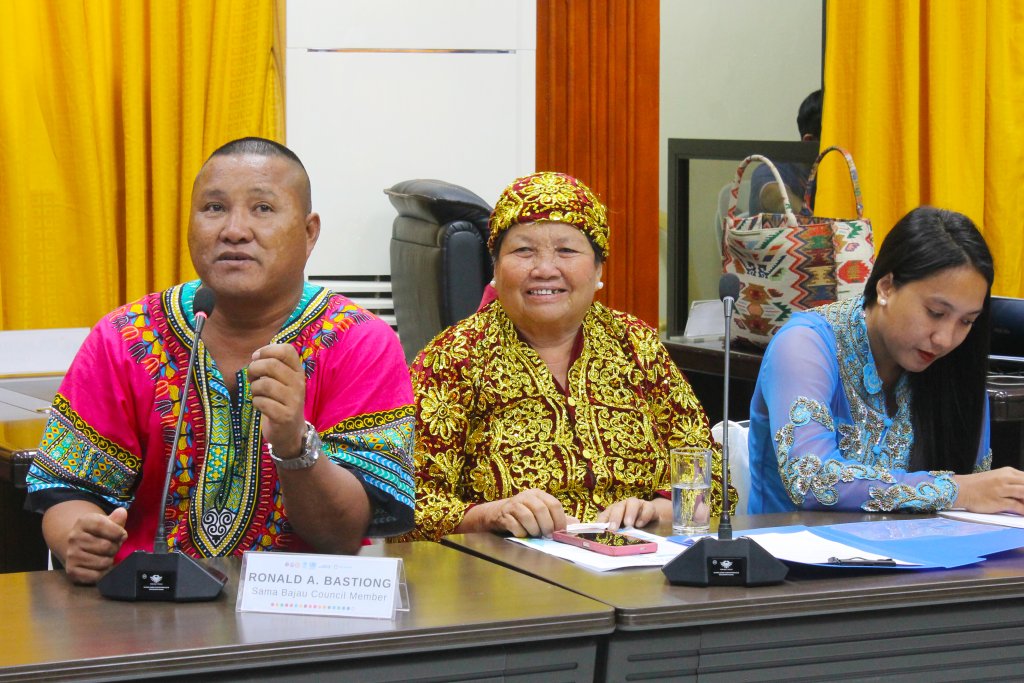
Barangay authorities adopted measures giving the community a permanent seat in the Barangay Development Council. Members of the Sama Bajau were also appointed as barangay tanods or community safety officers, and two Sama Bajau women were appointed as barangay health workers.
The permanent council seat gives the Sama Bajau a formal channel to raise concerns and contribute to decisions about public services, local budgets and development priorities.
Information gathered from families also fed into Surigao City’s Voluntary Local Review and updates to its Comprehensive Development Plan and Comprehensive Land Use Plan. These documents guide decisions on land, infrastructure, services and investment across the city.
Surigao del Norte State University also changed its admissions policy, allocating 10 per cent of places to underrepresented communities and committing to stronger support for marginalised students once enrolled.
These measures show how community data can move beyond identifying individual needs. When incorporated into public plans, institutional rules and representative bodies, it can begin to influence how services are designed and resources are allocated.
What can Surigao City teach us about Indigenous participation in local planning?
The initiative offers one example of how local governments can work with Indigenous communities whose needs are often overlooked by conventional data and planning systems.
Support from the programme helped Surigao del Norte prepare the country’s first provincial-level Voluntary Local Review. A regional resolution also encouraged other provinces in Caraga to undertake similar reviews.
National agencies responsible for housing and local government are considering lessons from the initiative in their work on settlement planning and urban development. The experience is also informing efforts to make settlement planning more inclusive and climate-resilient for other Indigenous communities.
Surigao is not a model that can simply be copied elsewhere. Indigenous peoples have different cultures, livelihoods, territories and ways of making decisions. Any similar effort would need to start with the communities themselves and reflect their rights and circumstances.
But the experience points to a practical lesson: better results are possible when families help define the problems they face, governments remain responsible for addressing them and partners work together to respond to what communities identify as their priorities.
This is where the UN can add value, using its technical expertise and convening capacity to bring the right people together and help turn community-generated evidence into action.
For Sama Bajau families in Barangay Lipata, that approach has already produced visible changes: safer homes, a nearby place for children to learn and a formal role in local decision-making.
The longer-term test will be whether these gains translate into lasting improvements in education, livelihoods and access to services, and whether institutions continue to listen and respond.
Please visit the UN team's website for more information about the UN's work in the Philippines.





Latest news and updates