Colombia: Recovery Efforts Focus on Safer Shelter, Schools and Local Capacity
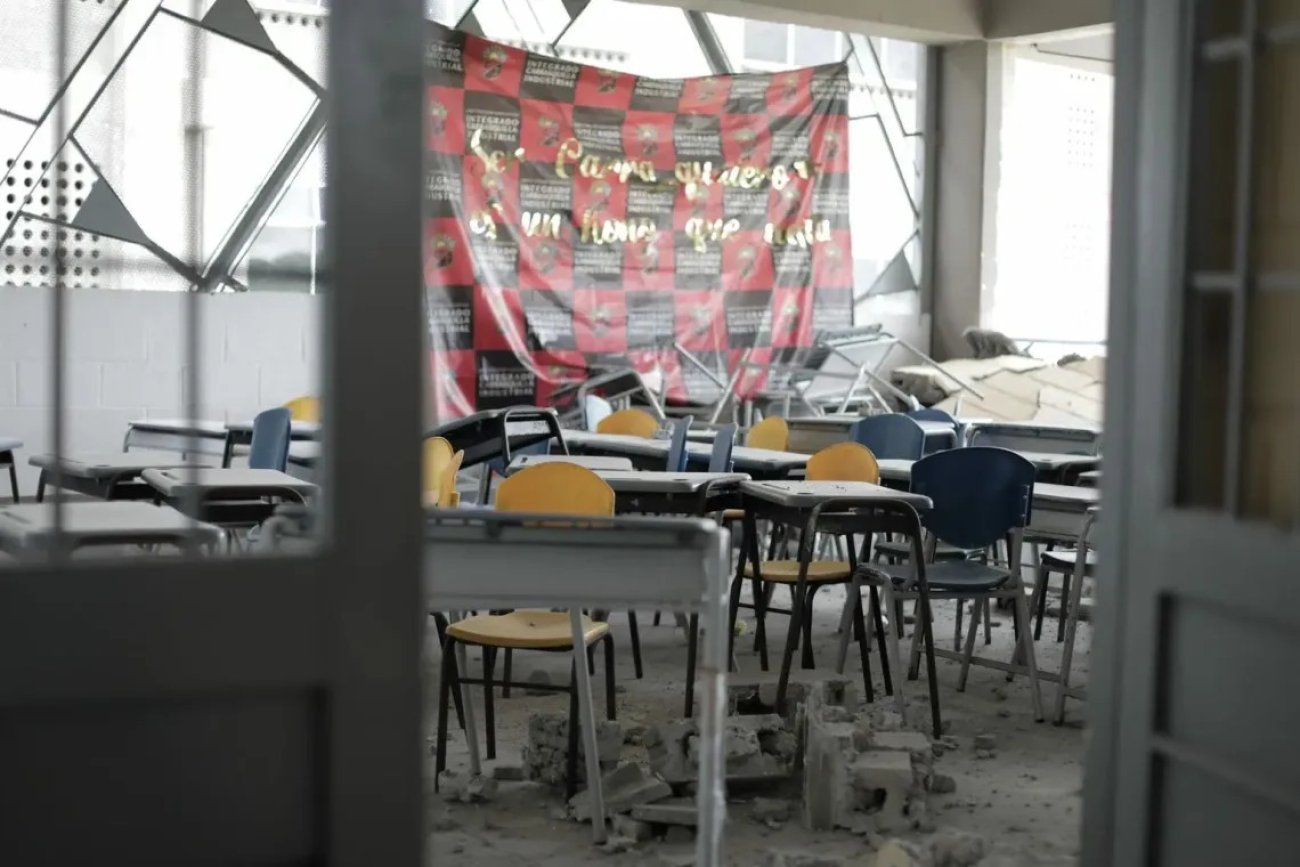
Following one of Colombia’s largest earthquakes, recovery efforts are focusing on helping affected communities rebuild safely, restore essential services and avoid recreating the vulnerabilities that existed before the disaster.
The early August earthquake affected 16 regions (departments) and nearly 196,000 families, damaging homes, livelihoods, health centres, hospitals and almost 4,000 educational facilities. As communities move beyond the search and rescue phase, attention is turning to reconstruction and the restoration of essential services.
Recovery efforts are building on assistance already delivered by the UN and humanitarian partners to 72,000 people in shelter, health, education, water and sanitation. The updated humanitarian plan identifies 1.2 million people in need and prioritises 127,000 of those most affected, providing a basis for directing recovery support.
UN Resident Coordinator in Colombia María José Torres Macho said the recovery phase must ensure that reconstruction is coordinated, reaches the hardest-hit communities and reduces the risks that existed before the earthquake.
Rebuilding without recreating risk
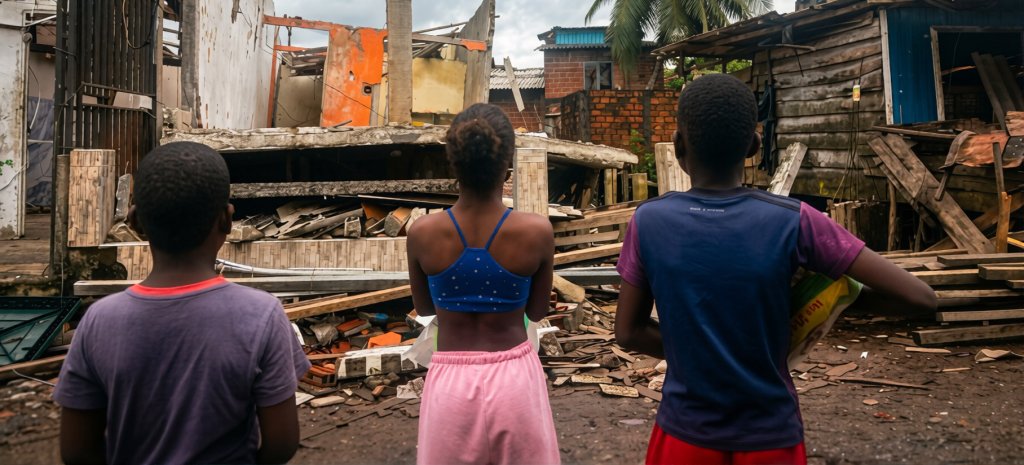
Reconstructing safer and more durable housing is a central recovery priority, especially for communities that were already living in vulnerable conditions before the earthquake.
For affected people in highly vulnerable contexts, including informal settlements, recovery is moving beyond temporary tents toward more durable options such as rental subsidies and materials for community-led self-construction.
Municipal planning will be critical to ensuring that reconstruction does not reproduce the vulnerabilities that increased disaster risk.
“It is very important to also provide support to the municipalities on urban planning [so] we don’t reproduce vulnerability and hence create another disaster soon.”
Restoring safe learning
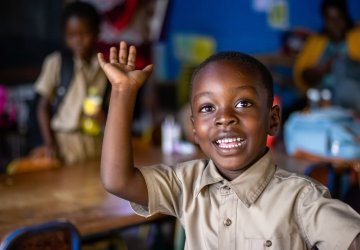
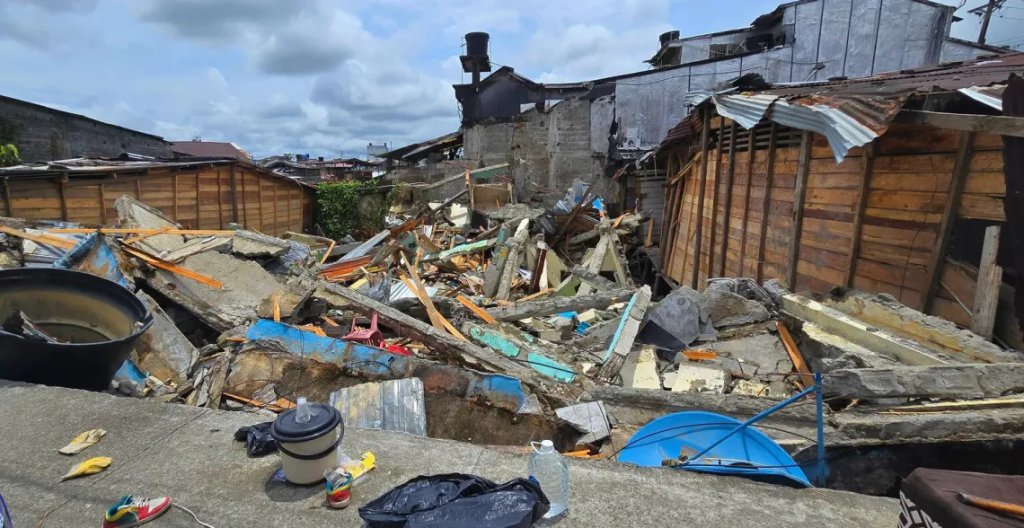
Restoring safe and protective learning spaces is another urgent recovery priority. With almost 4,000 educational facilities damaged, reopening schools quickly is essential both for continuity of education and for children's protection.
In areas where illegal armed groups are present, children out of school may face heightened protection risks.
“Recruitment of children in Colombia is a pre-existing issue,” she said. “We are concerned that children being out of school can exacerbate the situation.”
Recovery in hard-to-reach communities
The earthquake has hit areas already facing overlapping challenges, including conflict, climate pressures and limited access to services. RC Torres Macho noted that some communities remain difficult to reach, making it harder to fully understand their needs.
“We don’t have information about all the situations, or the needs that some communities are enduring because they are very hard to reach,” she said.
She emphasised the need to continue gathering information, particularly from Afro-Colombian and Indigenous communities affected on the ground.
Local authorities and community organizations, including Indigenous and Afro-Colombian groups, are central to extending recovery efforts into hard-to-reach areas and shaping support around local needs.
“I really want to pay tribute also to the role of the local authorities, because obviously those who are the first responders are those on the ground,” she said.
Assessments and financing guide reconstruction
Reconstruction planning is being informed by coordinated damage assessments, technology and engagement with financing partners.
The Early Recovery Working Group was activated immediately, with the UN Development Programme (UNDP) coordinating an assessment that uses satellite imagery and other technological tools. UNDP is also working with international financial institutions so that damage findings can inform recovery and reconstruction decisions.
The updated humanitarian plan requires $248 million. So far, $75 million has been received from international donors, alongside $5 million from the UN Central Emergency Response Fund. These resources support the transition from immediate assistance toward longer-term recovery priorities.
Those priorities include restoring livelihoods, health and education services while addressing the climate-related pressures already affecting communities.
Strengthening local capacity for recovery
Sustained recovery will depend on stronger local authorities, whose capacities can be overwhelmed even as they lead reconstruction and the restoration of services on the ground.
The UN is working with national disaster risk authorities, the Vice-President and the Ministry of Foreign Affairs to translate national coordination into practical support for municipalities and communities.
RC Torres Macho emphasised that recovery depends on ensuring that resources, expertise and decision-making capacity reach the local level.
“How we turn that support and capacity to the local authorities, the first line of response,” she said, remains a key challenge. “We are doing as much as we can to accompany and support, but more is needed.”
Community and private-sector solidarity is also becoming part of the longer-term reconstruction effort.
“One tangible [sign] of this response has been that a sense of community has emerged,” RC Torres Macho said, describing how people are looking for ways to support those affected.
The next step is to convert that solidarity into sustained recovery results: safer homes, reopened schools, restored livelihoods and local authorities better equipped to manage reconstruction and future risks.
“We are clear that from now on, the National Development Plan might have a very strong component on reconstruction,” she said.
For the United Nations and its partners, the recovery objective is clear: help communities rebuild safer homes, restore schools and essential services, renew livelihoods and strengthen local capacity in the areas most affected.
Please visit the UN team's website for more information about the UN's work in Colombia.





Latest news and updates