Tonga Rides the Wave of Resilience
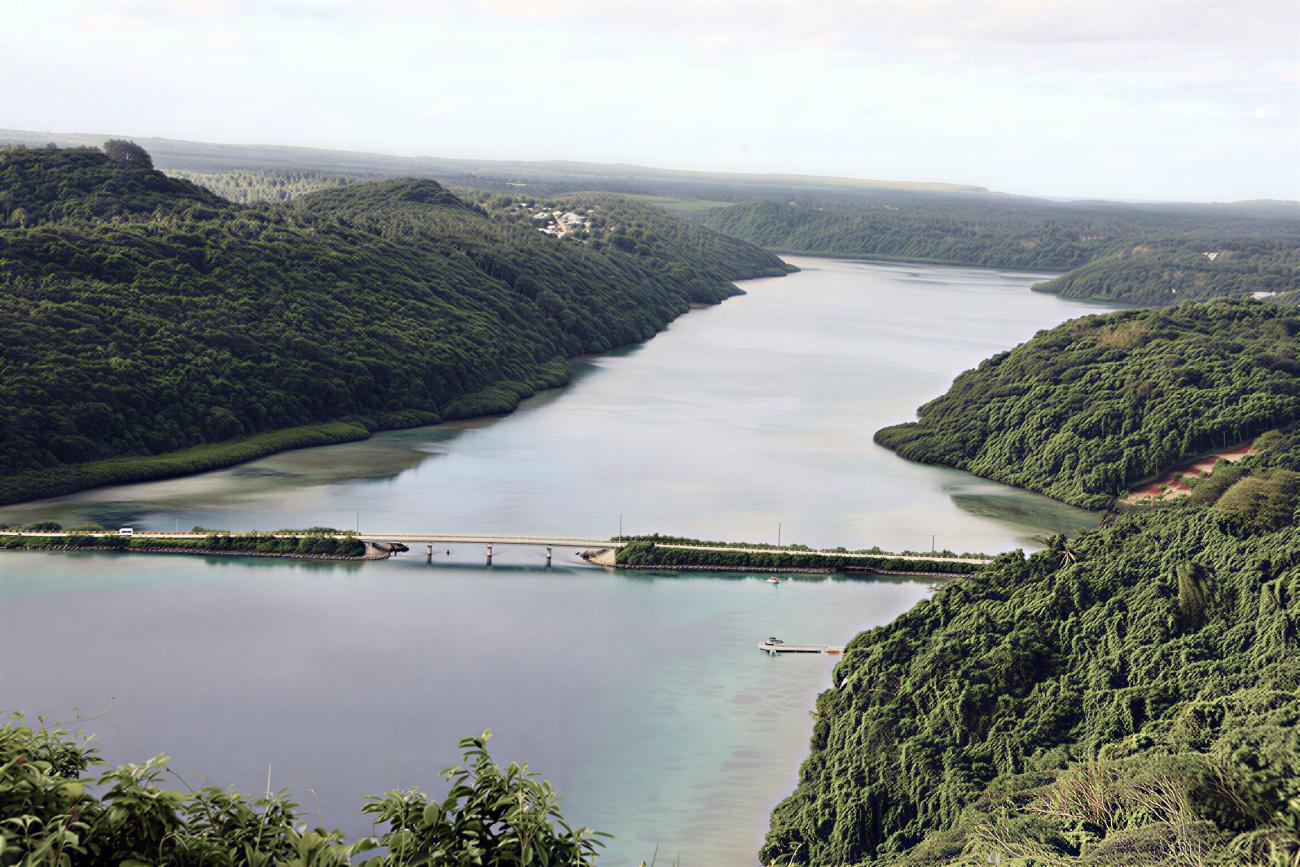
Have you ever heard of the Ring of Fire? Stretching around the Pacific Ocean, it is a horseshoe-shaped belt of active volcanoes and seismic activity. Nestled within it, the Kingdom of Tonga often feels the ground tremble beneath its feet. Ranked the second most at-risk country in the world to natural disasters (World Risk Report 2020), Tonga faces a constant convergence of natural hazards. In the past decade, more than 3,000 earthquakes of magnitude 4 or higher have struck within 300 kilometres of the islands.
These hazards have had a significant and lasting impact. In 2022, ash cloud and tsunami waves from the eruption of the Hunga Tonga-Hunga Haʻapai volcano caused extensive destruction throughout Tonga. The eruption generated the largest atmospheric explosion ever recorded and triggered tsunamis that affected Tonga, Fiji, American Samoa, Vanuatu, New Zealand, Japan, the United States, the Russian Far East, Chile and Peru, resulting in at least four fatalities and affecting 85,000 people in the Kingdom of Tonga.
Damages were widespread, including on Tongatapu and the islands of Nomuka Iki, Mango, and Tonumea. The disaster affected 85 per cent of Tonga’s population and caused damages and losses of an estimated $182 million or over 35 per cent of Tonga’s Gross Domestic Product (GDP), making it the most expensive volcanic event in the world in the last 30 years. (World Bank Press Release 2022)
When early warnings become early action
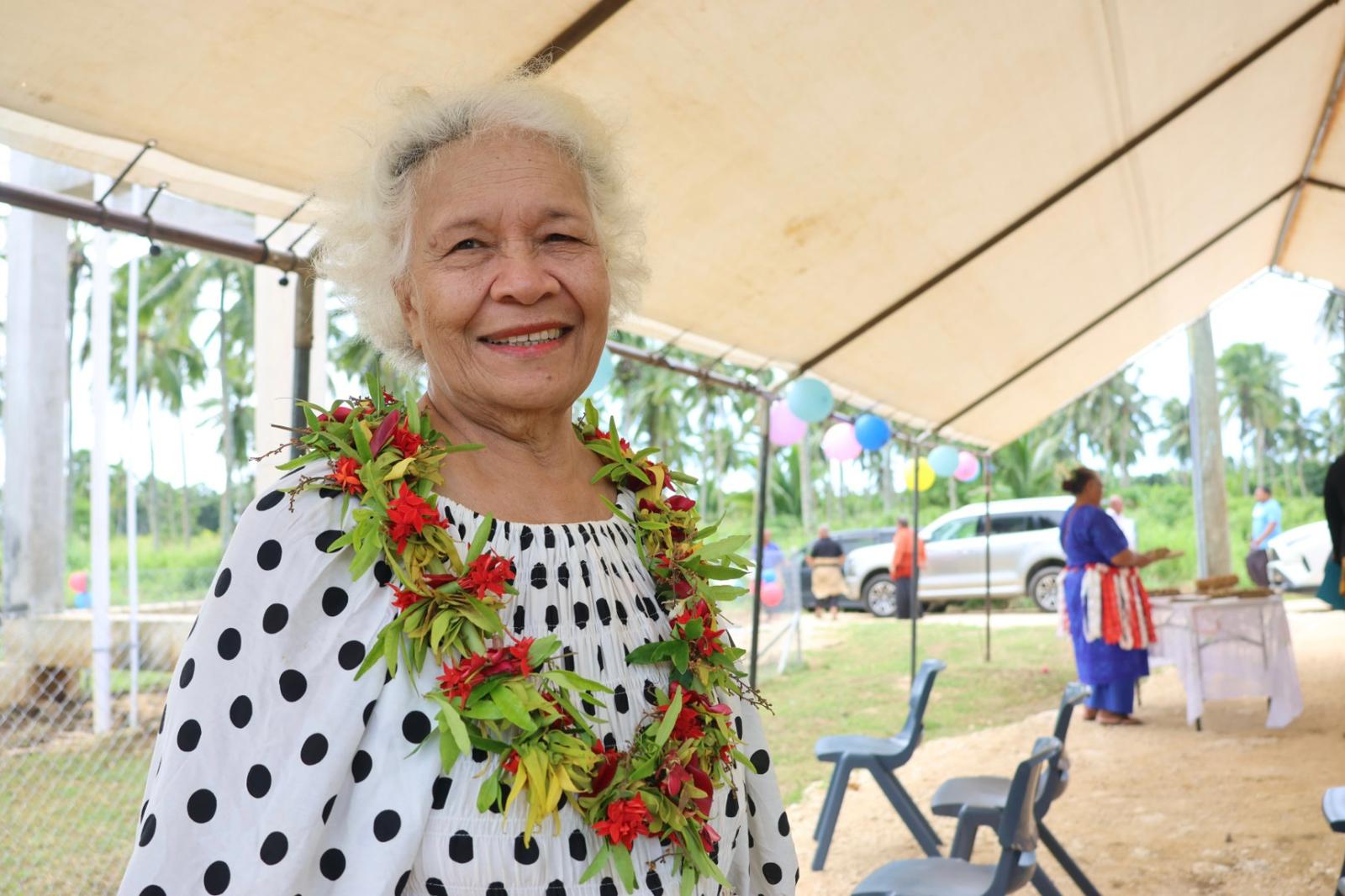
Recognising these daily realities has laid the foundation for the Kingdom, the UN and its partners to establish systems and processes that prioritise resilience. Tonga is part of the Secretary-General’s Early Warnings for All initiative, a global effort to ensure that every person is protected by early warning systems by 2027. Recently, when UN Resident Coordinator Dirk Wagener and UN colleagues visited the islands, they experienced how these systems safeguard communities. When a 7.6 magnitude earthquake struck, triggering a nationwide tsunami alert, authorities and institutions swung into action. Sirens blared, national radio shifted to emergency mode, and people were urged to seek higher ground. There was no panic. The event highlighted the country’s growing preparedness.
The deliberate, coordinated investment into early warnings brings together multiple actors across the UN system. The United Nations Office for Disaster Risk Reduction works with national authorities to strengthen disaster risk knowledge and advance the Sendai Framework for Disaster Risk Reduction 2015-2030, ensuring that risks such as tsunamis are well understood and integrated into planning in Tonga. The World Meteorological Organization supports detection, monitoring, and forecasting, helping ensure that hazards are identified early and accurately. The International Telecommunications Union underpins the rapid dissemination of warnings, ensuring that alerts reach people through reliable, inclusive communication systems. The United Nations Satellite Center (UNOSAT) and the United Nations Educational, Scientific and Cultural Organization (UNESCO) contribute satellite data, risk analysis and scientific expertise, helping to close information gaps and strengthen national capacity.
Tonga is among the first countries in the Pacific alongside Fiji, Kiribati, Samoa, and Solomon Islands, to roll out Early Warnings for All, with a national roadmap shaped through consultations across government, partners, and communities. These efforts focus not only on strengthening systems but also on ensuring that they translate into action at the community level.
At its core, the initiative connects four elements: understanding risk, detecting hazards, communicating warnings and enabling preparedness and response. In Tonga, these elements are increasingly working as one system. The recent tsunami alert demonstrated that when they do, early warnings become early action, saving lives and reinforcing confidence in the country’s growing resilience.
A whole-of-UN approach to resilience
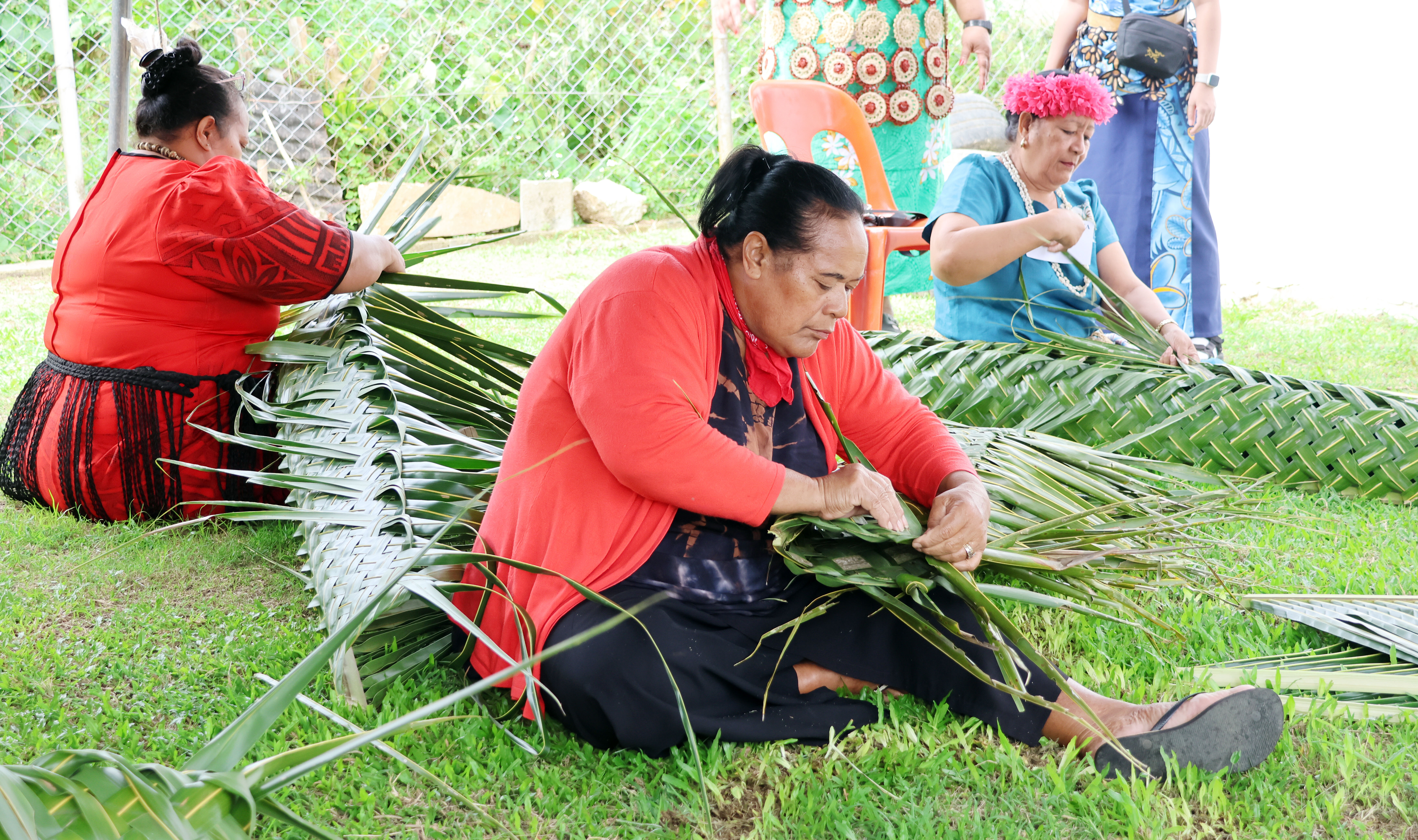
Under the leadership of the Resident Coordinator, UN entities engage with Government counterparts, the diplomatic community and civil society to chart a sustainable and resilient future for Tonga. The Tonga Strategic Development Framework offers a blueprint for strengthening coordination and aligning the UN’s support with national priorities.
Across the islands, UN-supported initiatives are already delivering tangible results.
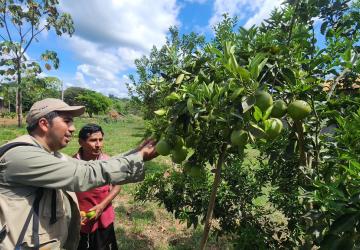
In Vavaʻu, UNDP and the Global Environment Facility support the national Ridge to Reef Project, which preserves biodiversity while directly strengthening livelihoods. Communities are seeing improved fish stocks through sustainable fishing practices, restored coastal ecosystems that protect against erosion, and new income opportunities linked to eco-tourism and local products. For the community, it is more than a project; it is a lifeline, helping households diversify income while safeguarding the natural resources they depend on.
It also includes a Ridge to Reef Community Grants Initiative, through which $570,000 is being invested directly into 33 communities, including 26 in Tongatapu and 7 in Vavaʻu. This investment empowers civil society organizations, women, and young people to lead practical solutions in climate resilience, ecosystem restoration and sustainable livelihoods.
In rural areas, women are quietly leading transformative change. The Joint Programme on Accelerating Progress Towards Rural Women’s Economic Empowerment, implemented by FAO, IFAD, UN Women and WFP, supports women in boosting household incomes through climate-smart agriculture, strengthening food security and expanding access to markets. Beyond economic gains, women are taking on greater leadership within their communities, strengthening local decision-making and building resilience to climate shocks.
In Tongatapu, the story of “The Nurse Who Survived and Went Back to Fight” has echoed across the islands. After being diagnosed with cervical cancer in 2019, Sela Tuitupou, a nurse with nearly 20 years of experience, returned determined to advocate in Tonga’s fight against the disease. She supported the Ministry of Health’s Vaccine Champions Programme, implemented with UNICEF, and turned to community outreach, strengthening health awareness through a more personal approach.
“I wish I had taken the HPV vaccine sooner. I don’t want any Tongan girl to face what I am facing.”
With about 30 per cent of eligible girls across Tonga having been vaccinated by the end of 2023, the programme is helping protect women and girls from HPV infection and cervical cancer. In a context where climate-related shocks can disrupt access to essential health services, such community-based approaches are critical to ensuring continuity of care and strengthening resilience at the household level.
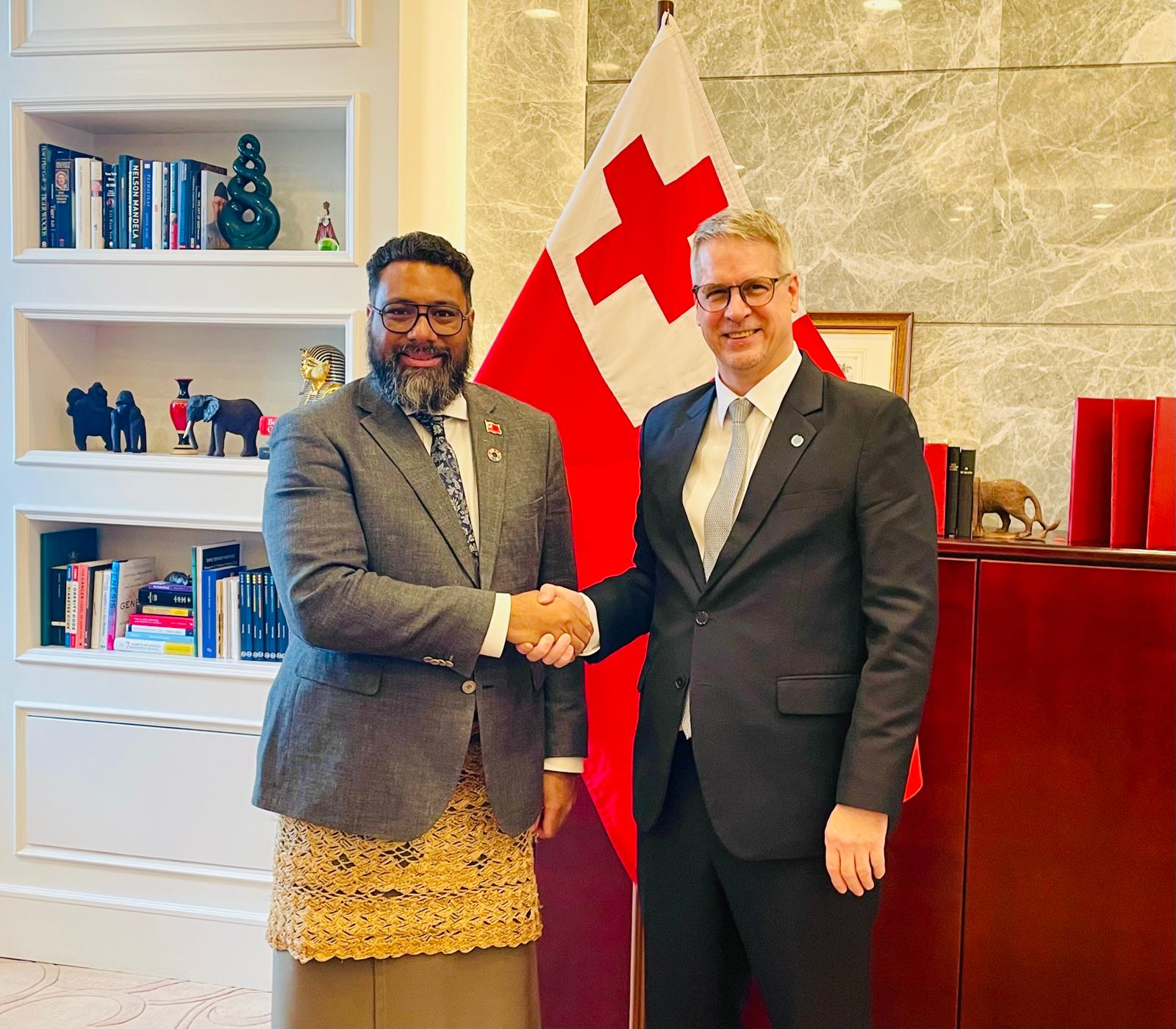
From national leadership to local communities, this is how the United Nations works in Tonga, as one, aligning with national priorities and delivering where it matters most. As the Prime Minister reflected: "These waves might shock us today, but we will get back up tomorrow. The UN can help us do that. The time is now, and partnership is needed."
With 80 per cent of Tonga's population living on the coastlines, the stakes could not be higher. As climate change drives more frequent, extreme, and unpredictable weather events, investments in adaptation, risk mitigation, and multi-hazard early warning systems have never been more urgent.
As UN Resident Coordinator Dirk Wagener puts it: "Tonga is not just surviving these shocks. It is showing the world how small island states can lead. But leadership requires investment. What Tonga needs from the global community is scaled-up climate financing, stronger early warning systems, and genuine, sustained partnership. What works here can work across the Pacific and beyond."
Tonga's resilience is hard-won. And with the right support, its story can light the way for every Small Island Developing State facing the rising tide.
Please visit the UN team's website for more information about the UN's work in the Pacific.