Energy Security is now National Security for Pakistan
The Resident Coordinator and Humanitarian Coordinator in Pakistan, Mohamed Yahya, reflects on how a “Just Energy Transition and Investment Plan” would reduce the country's dependence on imported fuel and mitigate the impact of lower remittance inflows, while also protecting and advancing development gains.
Energy security has become a national security issue for Pakistan. The ongoing conflict in the Middle East provides a clear example. It shows that external shocks, including issues beyond the country’s borders, could significantly impact energy shipments, foreign exchange stability and remittance flows that underpin Pakistan’s economy. For a country heavily dependent on imported energy, the risks are immediate.
Pakistan must urgently reduce its exposure to volatile imported fuel. This is not just about mitigating risk, but about seizing an opportunity for a just energy transition that advances economic resilience, sustainable development and climate goals simultaneously. The best way to do that is to accelerate the shift toward domestic energy sources through a “Just Energy Transition and Investment Plan.”
Dependence on fuel imports
For years, Pakistan’s dependence on imported fuel has been treated mainly as a macro-fiscal vulnerability. It widens the trade deficit, weakens the currency and fuels inflation when global prices rise. But the current conflict highlights a deeper risk: when energy supplies are disrupted, the consequences ripple quickly through the wider economy.
The Strait of Hormuz sits at the centre of this exposure. In 2025, Asia absorbed around 87 per cent of the crude oil and 86 per cent of the liquefied natural gas (LNG) passing through the strait. When fuel supplies tighten globally, the consequences are immediate: higher transport and fertiliser costs, pressure on electricity tariffs, weaker industrial competitiveness and social strain.
Pakistan relies heavily on these flows. With shipping routes tightened or markets uncertain, countries without deep pockets can find themselves both price-takers and queue-takers. In practice, that means limited bargaining power on prices and terms, and a weaker position when cargoes are scarce, and suppliers prioritise larger buyers. The scale of this dependence is substantial. Between July and March of fiscal year 2025, Pakistan imported 12.53 million metric tonnes of petroleum products, with the import bill valued at around $8.4 billion. LNG is also a central component of the country’s energy mix.
Impacts on remittances
These vulnerabilities extend beyond energy markets. Pakistan’s economy is closely tied to the Gulf in another crucial way: remittances from Pakistani workers. In fiscal year 2024-2025, Saudi Arabia ($9.4 billion) and the United Arab Emirates ($7.83 billion) together accounted for a large share of remittances, underscoring how closely household incomes are tied to stability in the Gulf region.
Prolonged instability in the Middle East could threaten these flows, which remain among the country’s most important sources of foreign exchange. Pakistan’s exposure to the Gulf, therefore, runs through two of the economy’s most important lifelines: energy imports and remittance inflows.
Diversifying Pakistan’s domestic energy sources
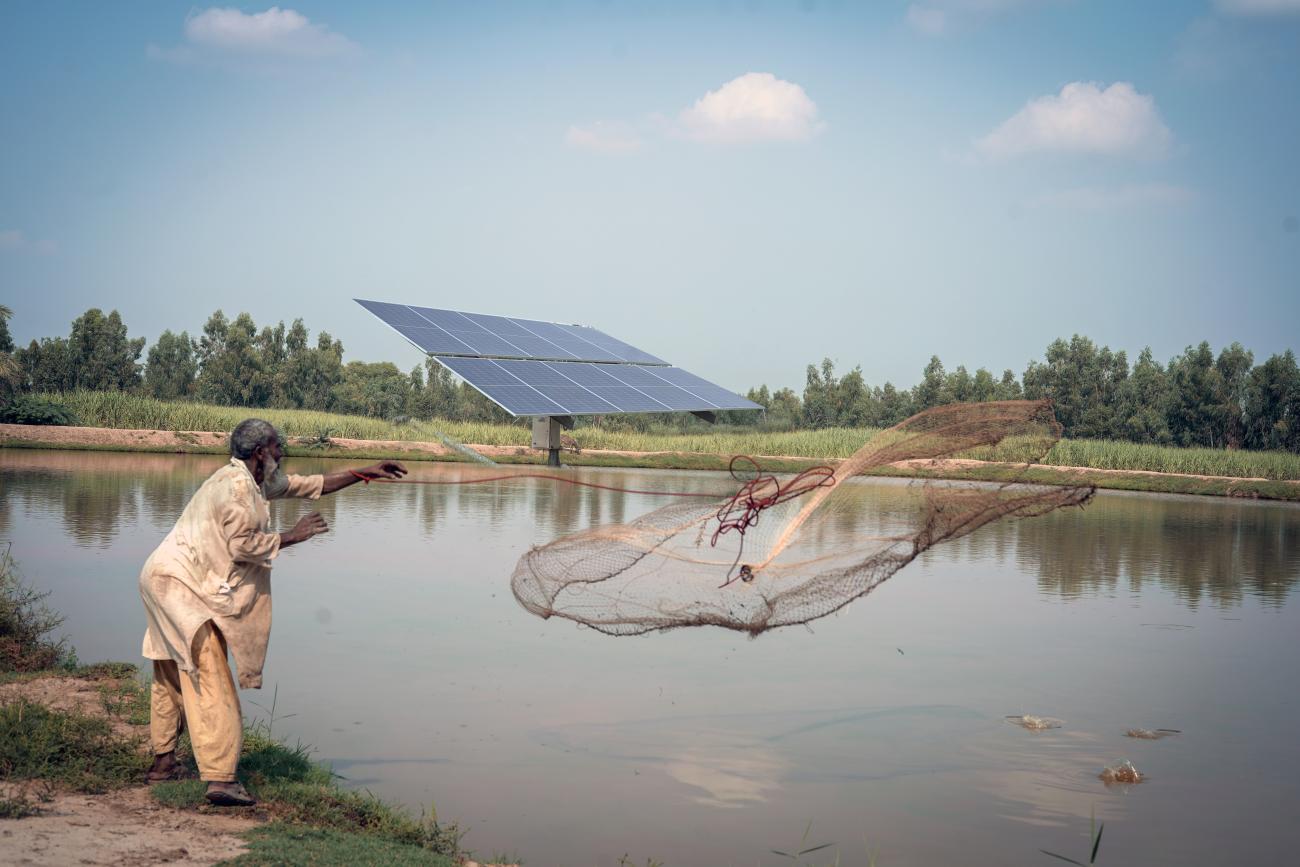
The long-term answer lies in accelerating Pakistan’s shift toward domestic energy sources, particularly renewables. Unlike imported oil and gas, which are paid for in foreign currency, solar, wind, hydro and other low-carbon power sources rely primarily on domestic resources. Once installed, the marginal cost of generation is minimal.
The economics have changed sharply in recent years. In many cases, renewable power is now the least-cost option for expanding electricity supply. For Pakistan, scaling domestic clean power can simultaneously strengthen energy security, reduce import dependence and improve affordability.
But diversification requires planning. Solar and wind are variable and must be supported by stronger electricity grids, better forecasting, storage and demand management. These are investment and infrastructure challenges that require coordinated policy and long-term planning.
This is not only an energy issue. Affordable, reliable and sustainable energy underpins progress across jobs, industry, health, education, food security and sustainability and climate action. For Pakistan, reducing dependence on volatile imported fuels is therefore also about protecting development gains across multiple Sustainable Development Goals.
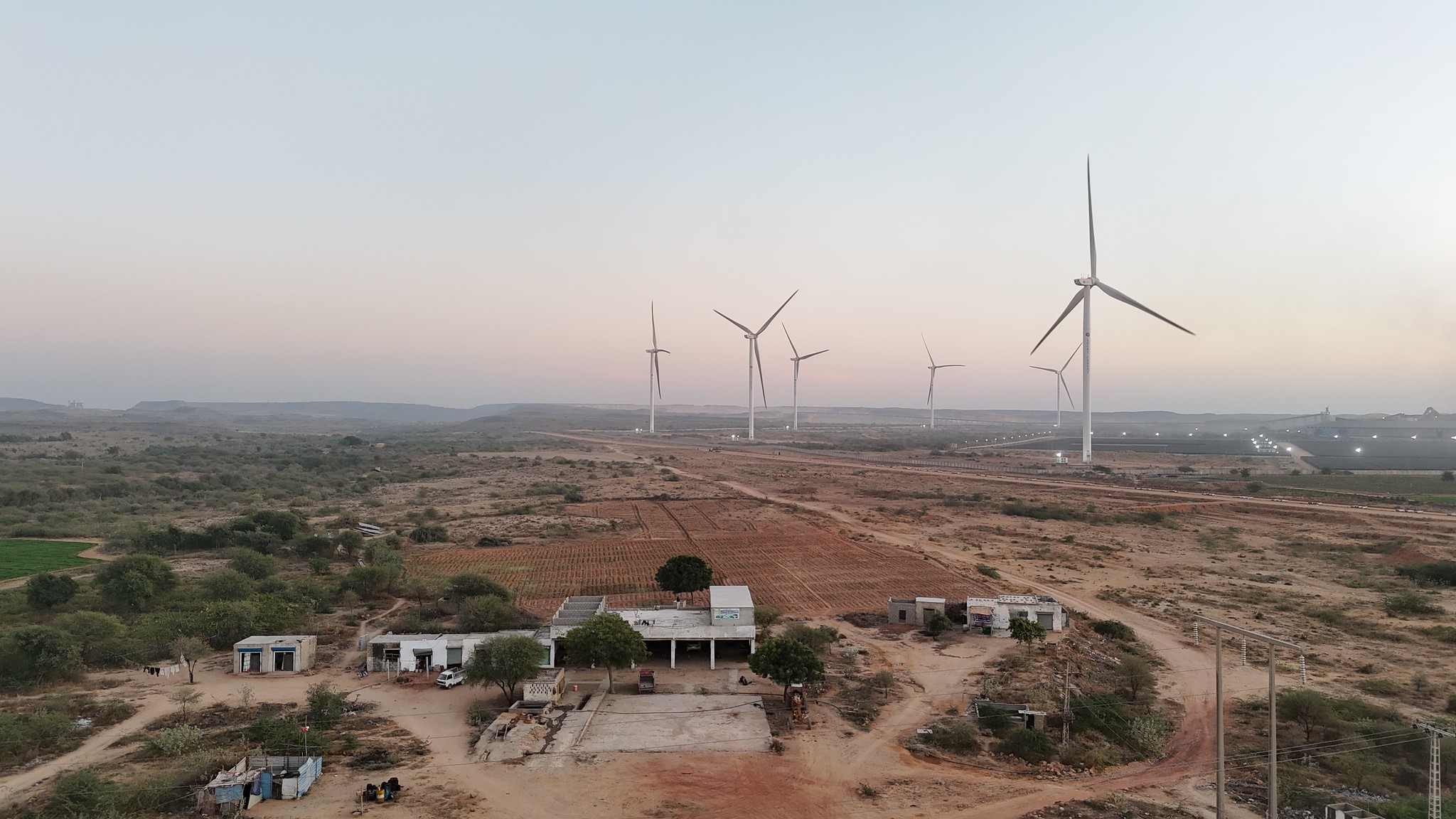
An Energy Transition and Investment Plan provides a practical framework for doing exactly that. It would map out how Pakistan can gradually replace its most expensive and volatile energy sources with more stable domestic alternatives. It would also help sequence investments in generation, storage and transmission so that the power system remains reliable throughout the transition.
Just as importantly, a credible plan can attract private investment. Investors respond to clear strategies and predictable project pipelines. Without that clarity, capital tends to arrive only when crises force urgent reform.
The transformation will not take place overnight. Pakistan’s exposure reflects an energy system built over decades, shaped by the technology costs and financing options available at the time.
Pakistan is not starting from scratch. The Government is already engaging with the United Nations team on integrated energy planning and strengthening institutional capacity for the low-carbon transition. The task now is to translate that collaboration into a clear investment roadmap.
For example, under the Climate Promise initiative, the UN is supporting Pakistan in implementing its new Nationally Determined Contributions (NDC), which already points toward a low-carbon transition through renewable energy expansion, energy efficiency and stronger systems planning. Advancing energy security through a just transition can therefore help Pakistan strengthen economic resilience, accelerate progress towards the Sustainable Development Goals and turn climate ambition into an investable development pathway.
Pakistan cannot control external shocks, including conflicts beyond its borders. But it can decide how exposed its economy remains to them. Accelerating the transition toward domestic renewable energy sources and a more resilient power system is one of the most strategic steps for safeguarding Pakistan’s economic resilience and long-term national stability, now and for the future.
This blog was adapted from an article originally published on the DAWN website. Please visit the UN team's website for more information about the UN's work in Pakistan.