South Africa: Where Gender-Based Violence is More Than a Statistic
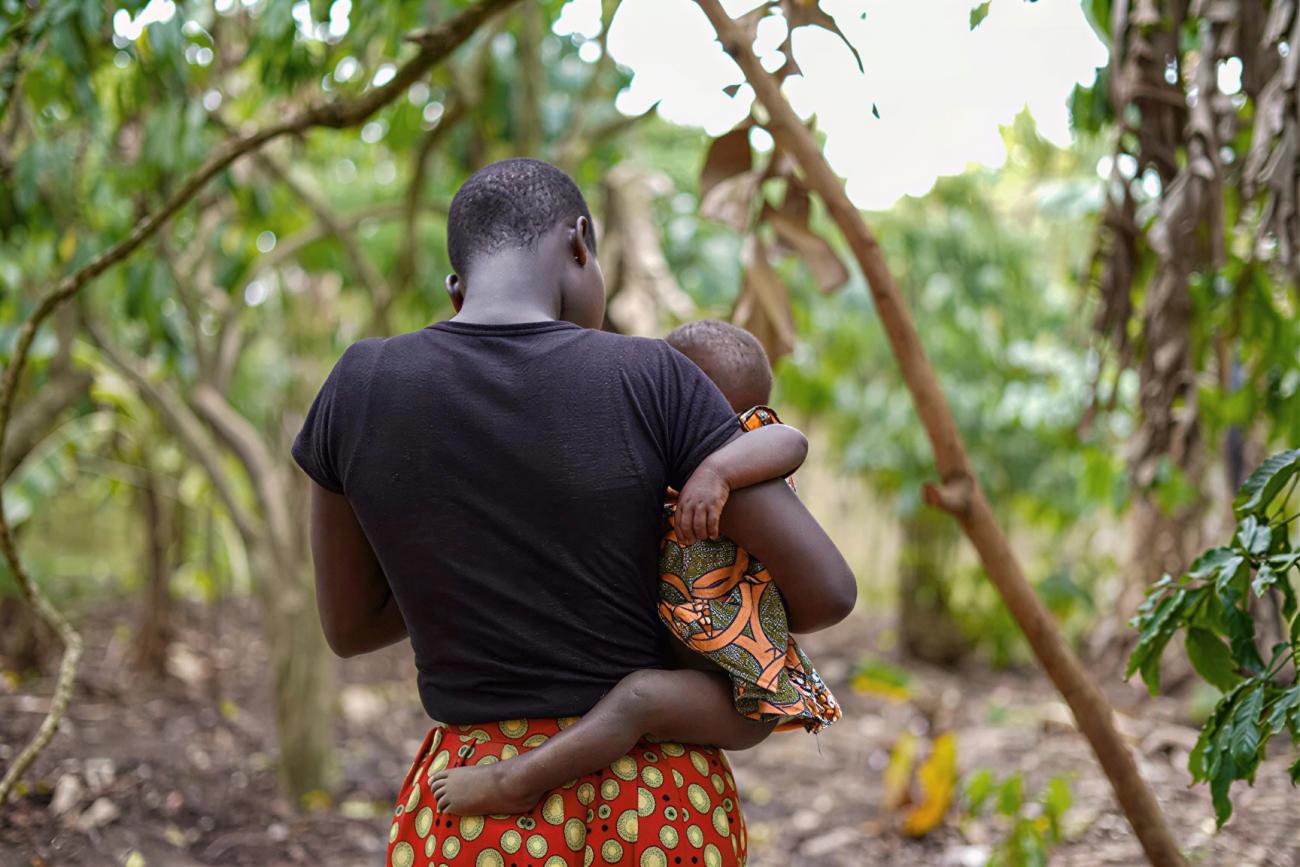
In South Africa, violence against women requires a systemic response. Nelson Muffuh, the UN Resident Coordinator in South Africa, reflects on how the UN is coming together with Government, civil society and community leaders to ensure that investments are pooled to tackle the scourge of violence against women and no survivor remains ignored.
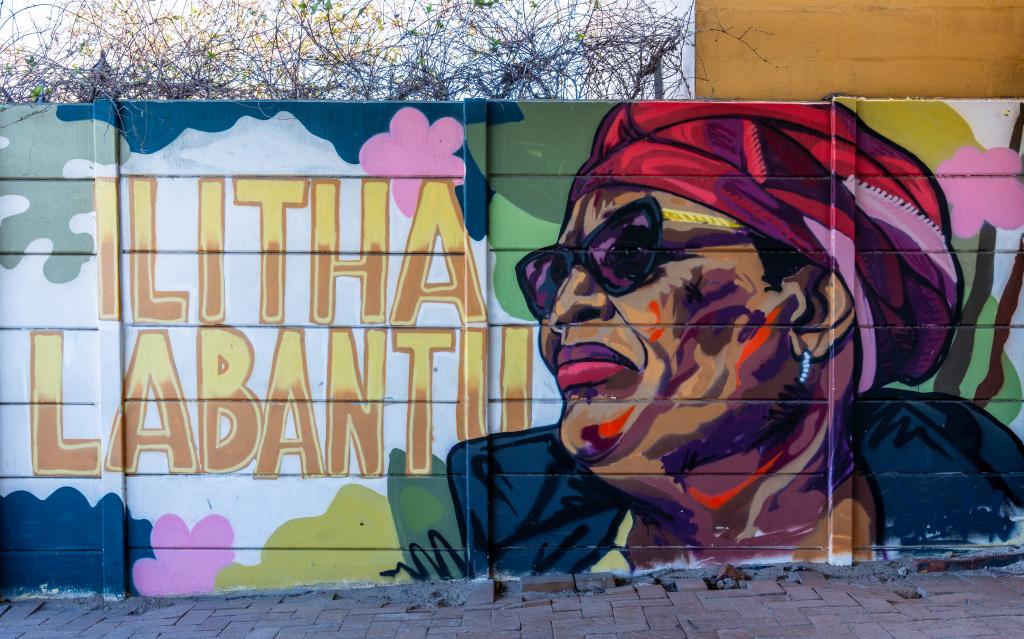
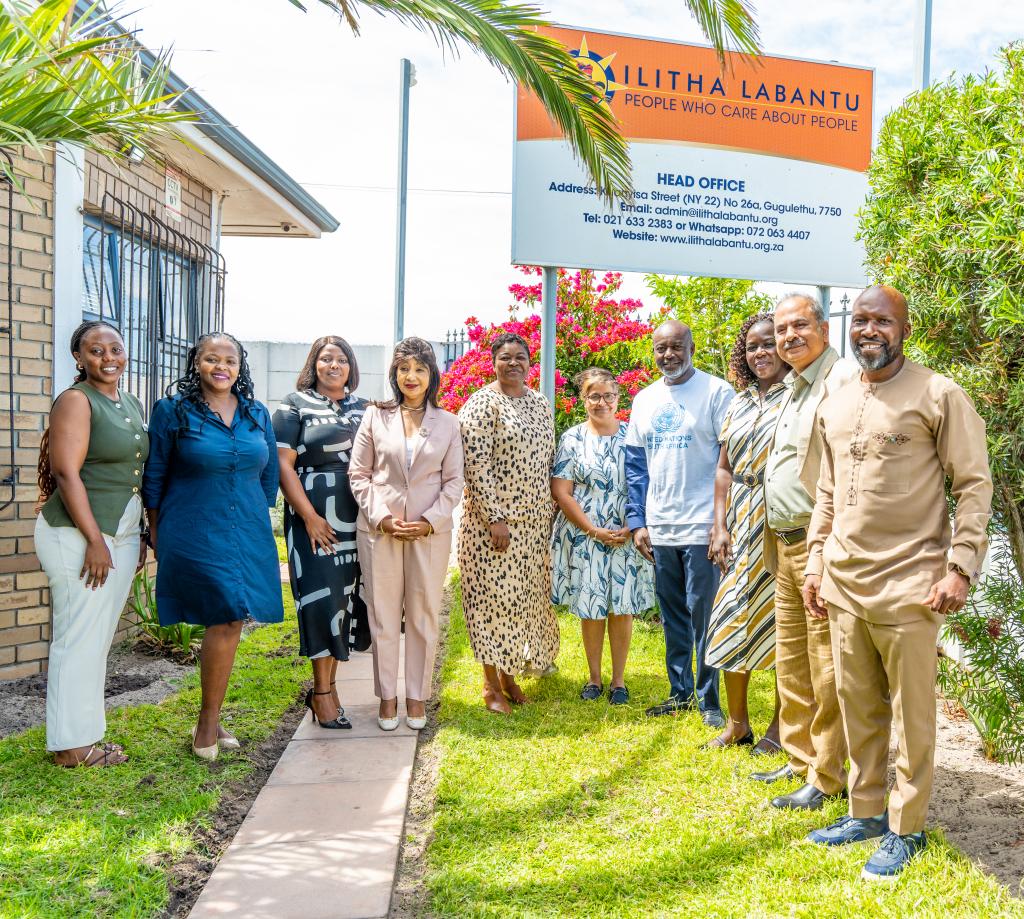
Walking into Ilitha Labantu’s offices in Gugulethu township, I was reminded again that gender-based violence (GBV) in South Africa is not merely a national crisis. It is a national wound, one that never seems to close.
Inside the compound, the truth was already waiting for us quietly, painfully, in the line outside. I saw women and community members queuing for a hot meal, for safety, for counselling, for some form of certainty in an environment where very little is guaranteed. They are not beneficiaries. They are survivors navigating a system that often fails them.
Ilitha Labantu exists because of the vision and courage of Mma Mandisa Monakali, whose conviction that women deserve dignity, justice and full humanity still shapes the organization’s approach today. Her clarity of purpose and refusal to accept the normalisation of violence created a space that continues to save lives and influence national thinking. Indeed, much of Ilitha Labantu’s work is done by young women themselves, encompassing 80 per cent of the staff. Women who are both survivors and leaders supporting other women.
Connecting the dots
Violence manifests in multiple, often subtle forms, including extortion and normalised aggression, which are deeply ingrained in township life.
Ilitha Labantu is therefore, not a single service organization. It is dynamic, interconnected and painfully honest about the lived realities in communities where violence is part of the daily environment. Five departments offer a range of support, from clinical psychosocial counselling and legal advice to outreach, education and food security, providing multi-faceted services to empower women seeking to leave abusive relationships.
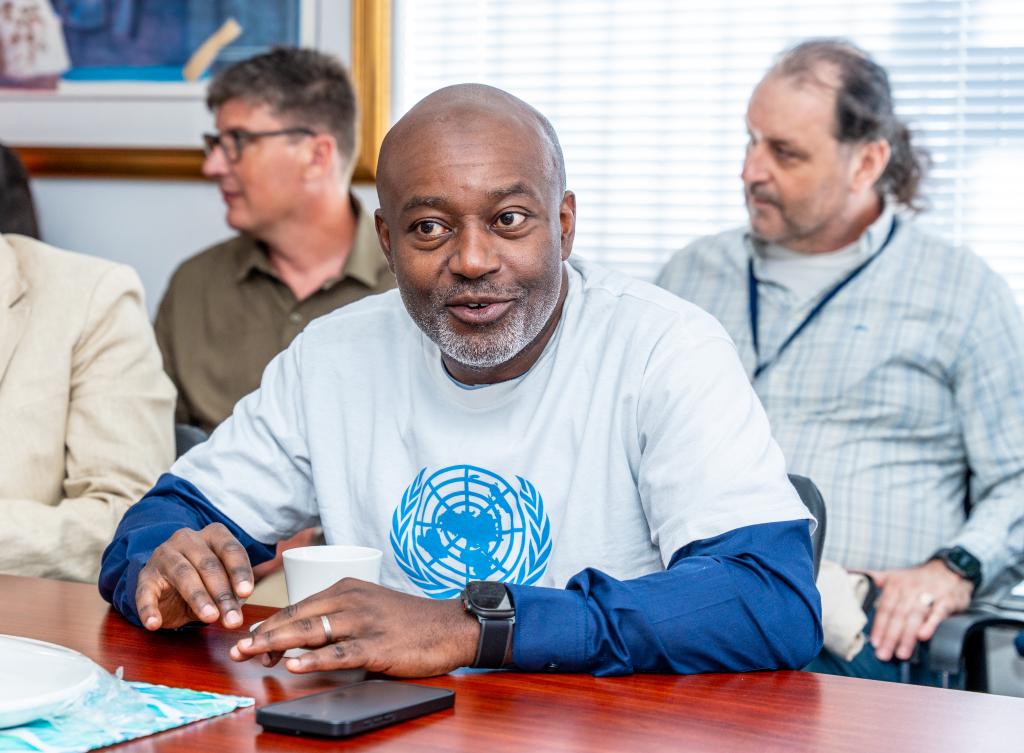
My Resident Coordinator’s Office (RCO), as part of the UN Country Team, is walking in step with Ilitha Labantu by aligning our strategies to ensure complementary efforts. Convening with civil society, we have worked together to take stock of women’s rights in South Africa ahead of past Commissions on the Status of Women.
Ilitha Labantu’s work exposes something we in the UN system are also grappling with. GBV is multidimensional and our response, too often, is not.
"Violence is not happening in a vacuum,” a colleague articulated helpfully. “It is happening because policies are not adhered to, because developmental failures accumulate, because families live on top of each other, because there is no prevention."
Despite plenty of GBV service providers working in communities, there are entire districts without clinics and shelters. Survivors are expected to report violence with nowhere to turn immediately afterwards as they search for support that technically exists but, in practice, remains inaccessible because of a lack of coordination.
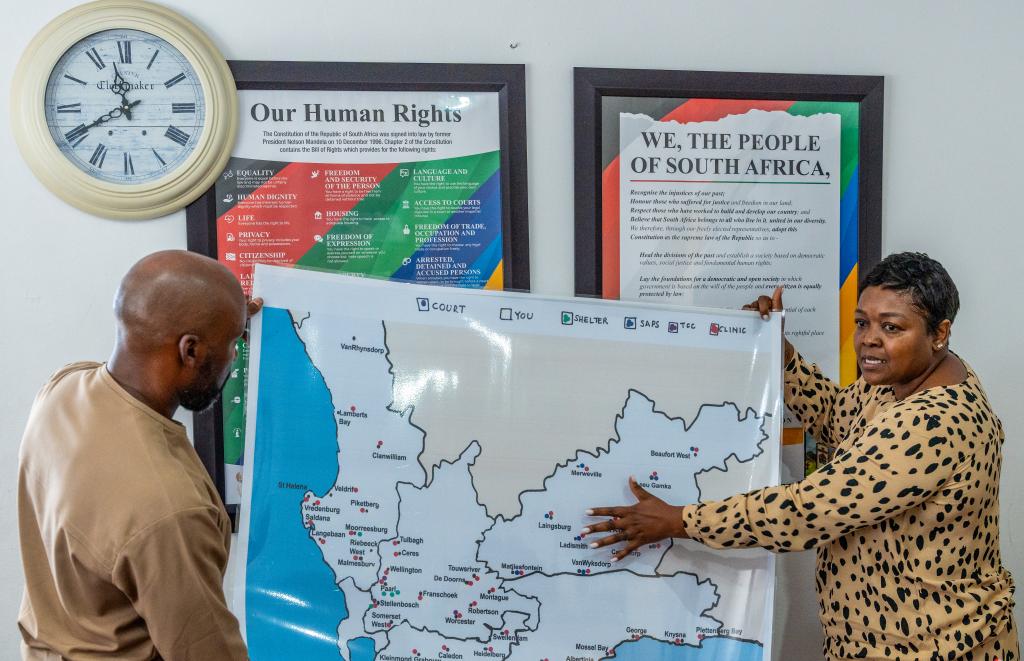
This is a gap that the recently established W17 network of service providers is working to address. Networks such as the W17 create maps of violence prevention services across the Western Cape, identifying service gaps and enabling coordinated action among approximately 47 organizations. The UN is also engaging national and provincial authorities on this as part of the District Development Model for improved localised development that the Government is championing.
Prevention and improved coordination are often considered time-consuming and politically unattractive. They force us into the grey areas where development, policing, economics and social norms intersect. Yet this is where the real work must be done.
An all-of-society approach to tackle violence against women
The UN in South Africa is rising to this challenge. UN agencies worked with the Presidency and the Government to accompany the preparation, adoption and implementation of the National Strategic Plan on Gender-Based Violence and Femicide (NSP-GBVF). The UN Children’s Fund (UNICEF), UN Development Programme (UNDP), UN Educational, Scientific and Cultural Organization (UNESCO), UN Office on Drugs and Crime (UNODC), UN Population Fund (UNFPA), UN Women, International Labour Organization (ILO), Joint United Nations Programme on HIV/AIDS (UNAIDS) and the World Health Organization (WHO), coordinated through the RCO, are currently advancing joint efforts in line with the NSP-GBVF to provide technical support, align strategies, secure resources and manage data for the national GBVF response, including the Fund.
In an all-of-society effort, UNFPA, UN Women and ILO, along with the RCO, engaged private companies in creating a coalition against workplace harassment. Our team collaborated with the corporate world to develop a three-step framework that the coalition will adopt. The framework includes:
- Prevention through workplace programmes that promote gender equality, diversity and inclusion;
- Protection through supportive policies and procedures to ensure employee rights; and
- Enforcement to hold leadership accountable in accelerating action.
At the community level, our RCO and UN teams, along with partners, organized four workshops for 190 traditional and religious leaders across the eThekwini, Ugu and uThukela districts. Emphasising sexual and reproductive health rights, gender justice and women’s empowerment, the workshops supported leaders in developing action plans to counter GBV in their communities. Across KwaZulu-Natal and Eastern Cape provinces, the UN supported dialogues with men and boys to challenge harmful gender norms and promote accountability among local and traditional leaders.
Our challenge now is to further meaningfully integrate and scale our actions, not through parallel efforts but through a focused, community-rooted approach that complements what civil society organizations such as Ilitha Labantu have built.
The work ahead
What lies ahead must be different. Federating efforts, integrating and concentrating interventions, reinforcing coordination and pooling resources are not optional improvements. They are essential. Addressing these gaps will determine whether the work ahead is transformative or merely incremental.
Leaving Ilitha Labantu’s building, I felt both unsettled and encouraged. The country is beginning to lay the groundwork for systems that actually work. Systems that see gender-based violence as more than statistics. Systems that protect survivors.
The question is how fast can we get there?
This blog was adapted from an article published by the UN team in South Africa. Please visit the UN team's website for more information about the UN's work in South Africa.





Latest news and updates