Reimagining Development Finance in Small Island Developing States
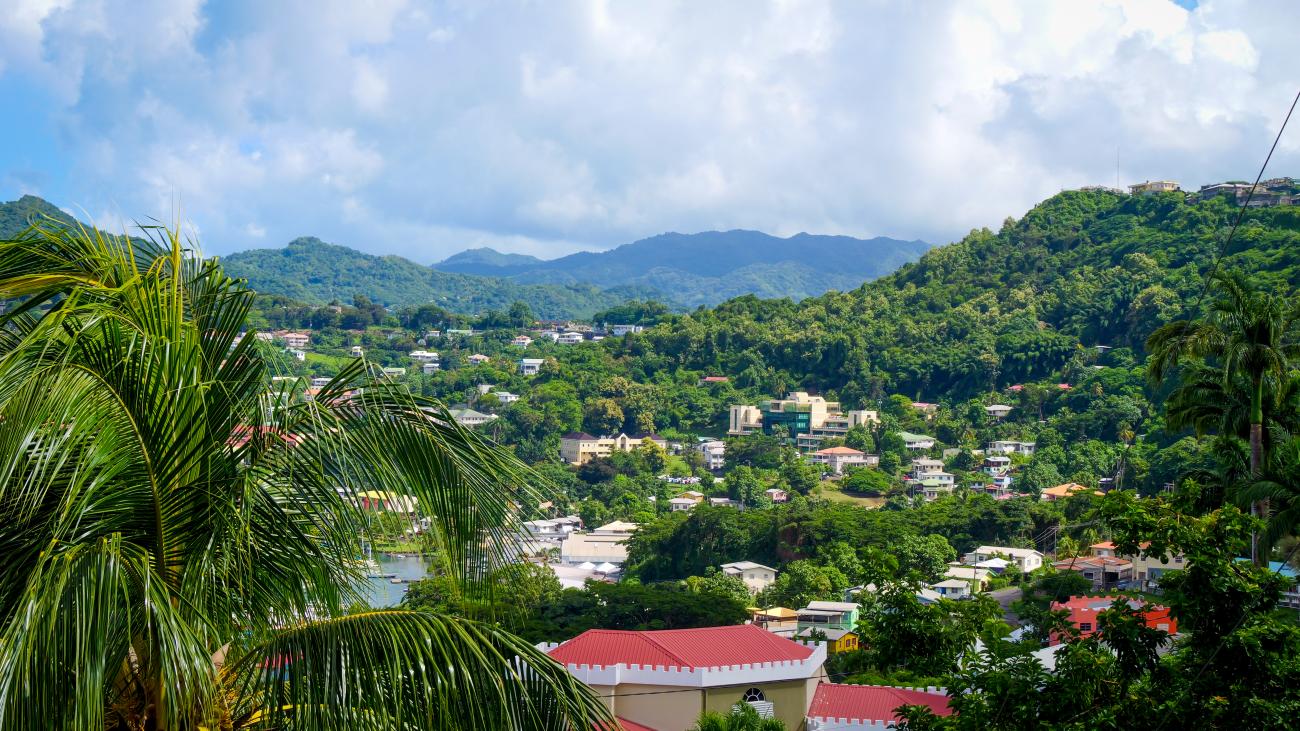
For Small Island Developing States (SIDS), the question of development finance is make-or-break. Home to more than 65 million people, these island nations face a unique challenge. They must tackle inherent socioeconomic vulnerabilities while absorbing the consequences of a climate crisis they did little to create. SIDS contribute less than one per cent of global greenhouse gas emissions, yet for them, rising sea levels and intensifying storms could quickly erase what took years to build. At the same time, each new shock pushes public finances closer to the edge.
SIDS face structural challenges that make sustainable development more challenging and costly: small, dispersed populations that limit domestic markets; geographic remoteness that drives significant dependence on imports and raises the cost of living; and narrow, undiversified economies that offer little cushion against shocks. A single extreme weather event could significantly set progress back and inflict serious damage, amounting to double-digit shares of the Gross Domestic Product (GDP).
A system that is falling short of actual needs
The global financial architecture was not designed with small islands in mind, and it shows.
During one recent five-year period, many SIDS were spending more on debt servicing than they received in climate finance.
And as some SIDS have formally graduated to middle-income status, they can no longer leverage concessional loans previously accessible from Multilateral Development Banks. The result is that countries on the frontlines of perhaps one of our greatest crises are too often told they do not qualify for the tools designed to help them.
An encouraging development is the operationalisation of the Multi-dimensional vulnerability index, which aims to draw attention to the vulnerability of developing countries and use the same to influence the concessional financing criteria of Banks and development partners.
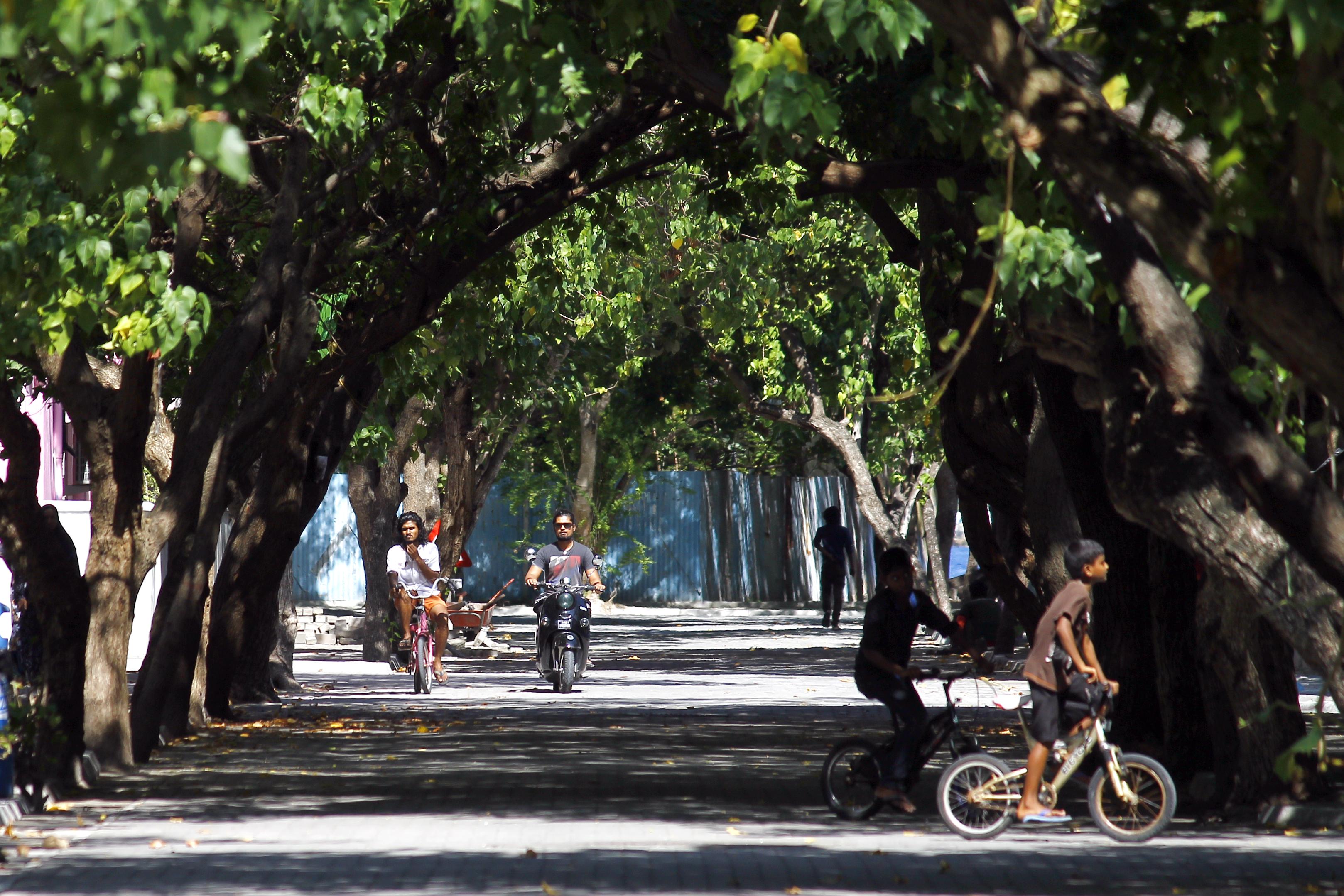
21st-century development finance tools for small islands
Despite these challenges, governments, with the support of the UN, the private sector, financial institutions, and partners, are testing new financial instruments, proving that smarter, more tailored financing is both possible and effective.
For example, debt-for-nature and debt-for-climate swaps are enabling countries to redirect debt repayments toward resilience investments. Blue and green bonds are mobilising private capital for ocean conservation and sustainable development. Disaster clauses in debt instruments are allowing repayments to pause in the aftermath of shocks.
Leveraging coordination for scaling up financing
UN country teams are playing a crucial role in driving these instruments forward and leveraging finance for long-term sustainable development. For their part, the UN Resident Coordinators who lead these teams are brokering deals, building the case for investment, aligning UN agencies behind coherent proposals and helping governments move from isolated projects to scalable, investment-ready solutions.
In Cabo Verde, the Resident Coordinator's Office is bringing together UNIDO, UNEP, and UN-Habitat to foster a circular economy on the island of Boa Vista. With $2.5 million in catalytic funding from the Joint SDG Fund, the programme is developing a public-private partnership for waste management to attract sufficient private investment to create a $20 million enterprise. By using a small amount of public finance to de-risk, the programme is helping unlock significantly larger private flows for environmental sustainability and green jobs.
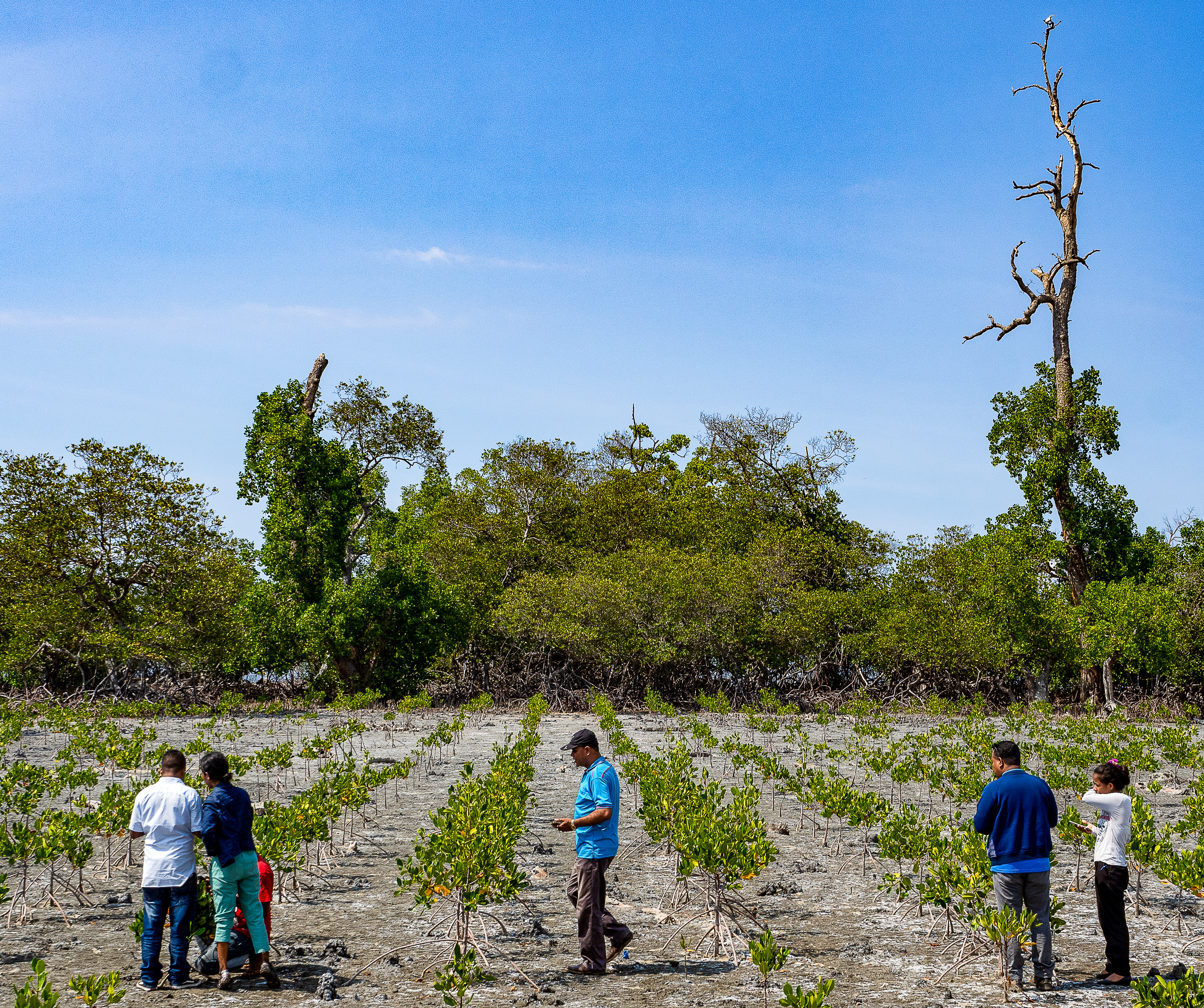
Fiji is pioneering blended financing for the blue economy through a coalition of UNDP, UNCDF, and UNEP, led by the Resident Coordinator and supported by the Joint SDG Fund and the Global Fund for Coral Reefs. The initiative has helped establish a financing facility for locally managed marine areas and is supporting a public-private partnership to transform a major landfill into a state-of-the-art material recycling facility. This initiative is projected to benefit over 300,000 Fijians while reducing threats to the Great Sea Reef, the world's third-largest reef system.
In Jamaica, the RC convened government, the UN Country Team, and financiers to demonstrate how inclusive fintech can serve as both a social safety net and a development finance lever. The pilot is a digital, shock-responsive social protection system, led by WFP in partnership with the Ministry of Labour and Social Security, that uses digital payments to reach approximately 18,000 people who had previously fallen through the cracks. Initiatives like this are informing SIDS' engagement with investors on blended finance and impact capital for resilience.
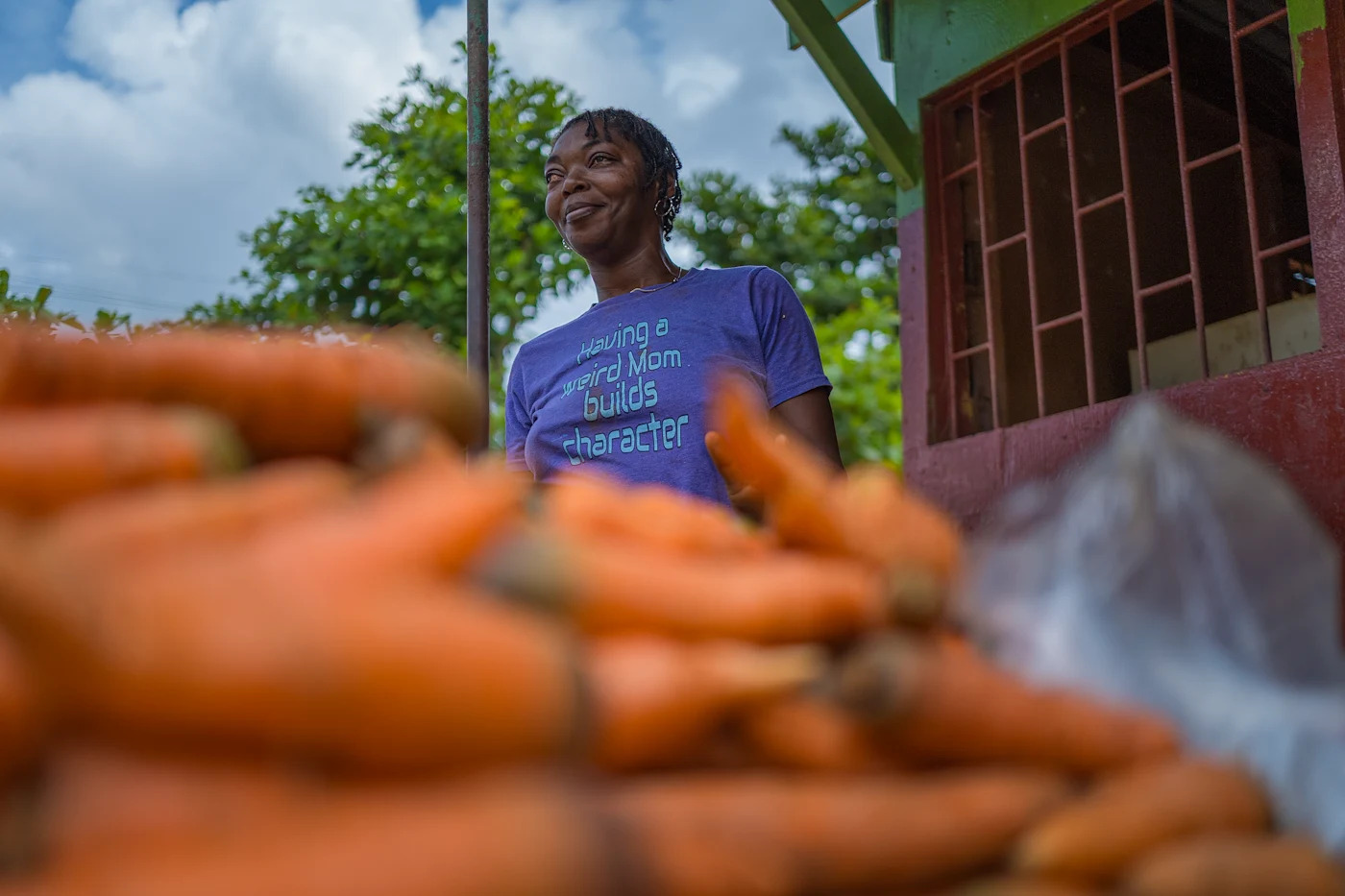
Nearby in the Bahamas, under the RC’s leadership, the Joint SDG Fund, along with 7 UN entities, supported an initiative that used $68,000 in catalytic funding to unlock over $1 million in additional financing from the Bahamas Development Bank and local institutions. This is shifting how lenders assess risk for women entrepreneurs, youth, and persons with disabilities.
In Samoa, RC leadership helped commission a quantitative assessment of the economic cost of inadequate early childhood development services, building the evidence base to attract and align donor financing and make investment decisions. Following this, a real-time monitoring and public expenditure tracking mechanism was put in place, creating the transparency infrastructure that both governments and investors need.
Meanwhile, the RC in Guinea-Bissau engaged the African Development Bank, mobilising $1.36 million to support a national shock-responsive social protection initiative. The RC served as the connective tissue among UN agencies, the national government, and the Bank, bringing together a cohesive offer of support from the UN and fostering national ownership.
Driving regional impact
This significant shift is also translating at the regional level, sustained by the collaboration of Resident Coordinators across countries, who are using their collective leverage to strengthen the capacity of entire regions to mobilise finance and learn together.
In the Pacific, the Resident Coordinators for Fiji, Micronesia, and Samoa came together in December 2025 to launch the Pacific SDG Acceleration Fund, a pooled financing mechanism that brings together 16 UN agencies. The Fund is designed to support integrated, multi-country initiatives; reduce the fragmentation that has long plagued development finance in the region; and serve as a coordinated platform for engagement with traditional donors, non-traditional partners, and blended finance actors alike.
Across the world in Africa, the Seychelles are sharing their experience of deploying Debt-for-Nature swaps and launching the first-ever sovereign blue bond, channelling resources into sustainable fisheries and marine conservation. The UN Resident Coordinator’s Office supported a South-South knowledge exchange on blue finance, bringing together Mauritius, Seychelles, and Cabo Verde in a dialogue that involved delegations from central banks, Ministries of Finance, and stock exchanges.
Investing in a future for small islands
The Antigua and Barbuda Agenda for SIDS set a clear direction: financing must be adequate, affordable, and genuinely accessible. Yet, closing the gap between that vision and the current reality will require concerted, systemic efforts from public, private, and blended sources, ensuring that innovative financing becomes the standard.
The Resident Coordinator system, pooling joint UN capacities and catalytic mechanisms such as the Joint SDG Fund, is demonstrating how the UN is a vital facilitator of financing ecosystems for small island states.
The question is whether a redesigned global financial system will finally meet the moment with the speed, scale, and precision the island nations deserve.