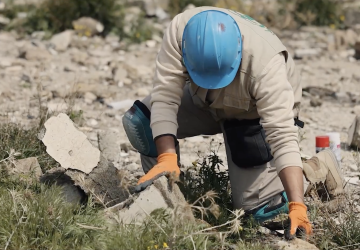

Tajikistan Manages Water with AI Innovation
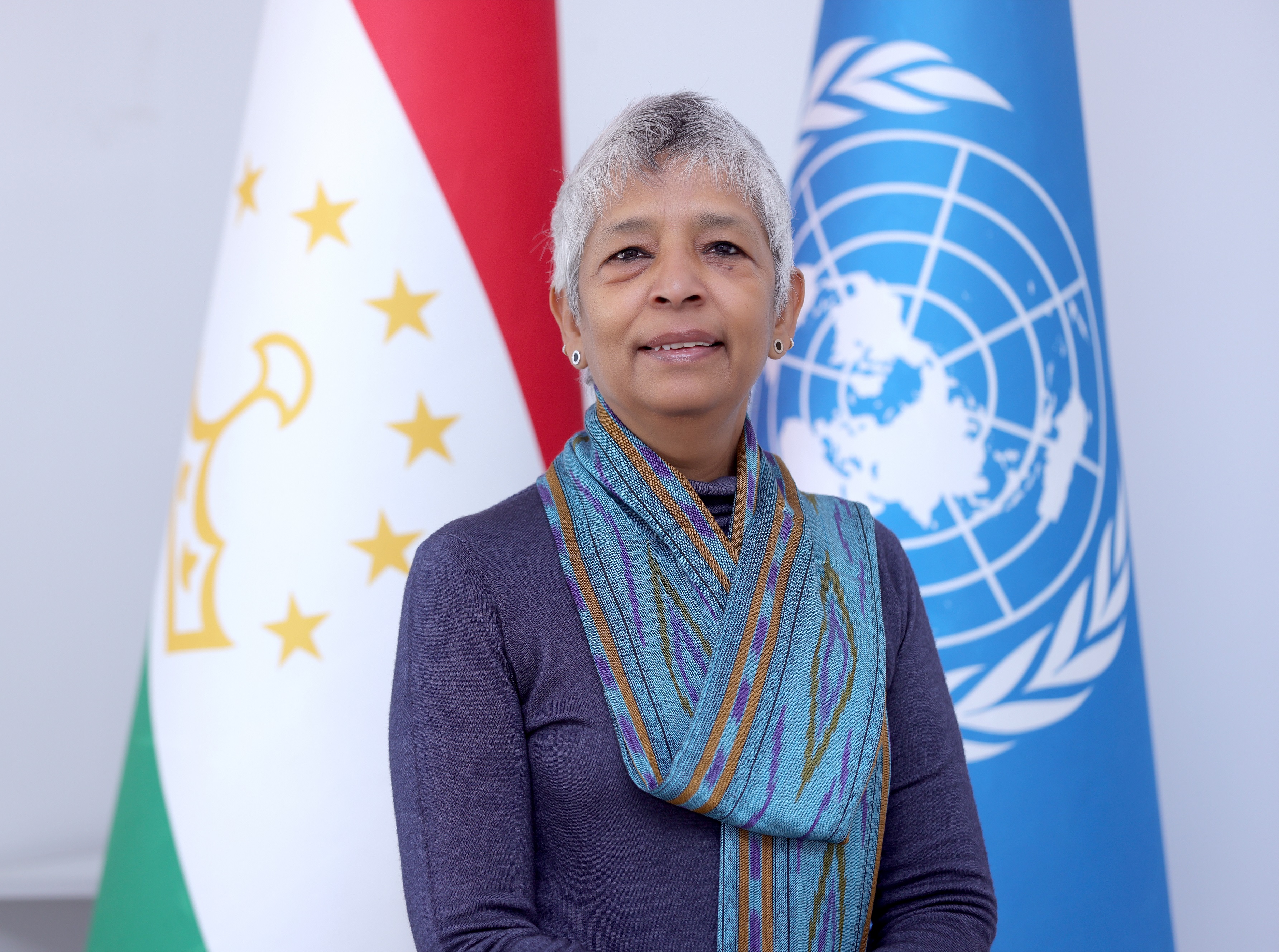
Parvathy Ramaswami, the United Nations Resident Coordinator in Tajikistan, reflects on the country’s long-standing partnership with the UN and explores how water stewardship and artificial intelligence (AI) innovation can together drive resilient, green and inclusive sustainable development if managed responsibly.
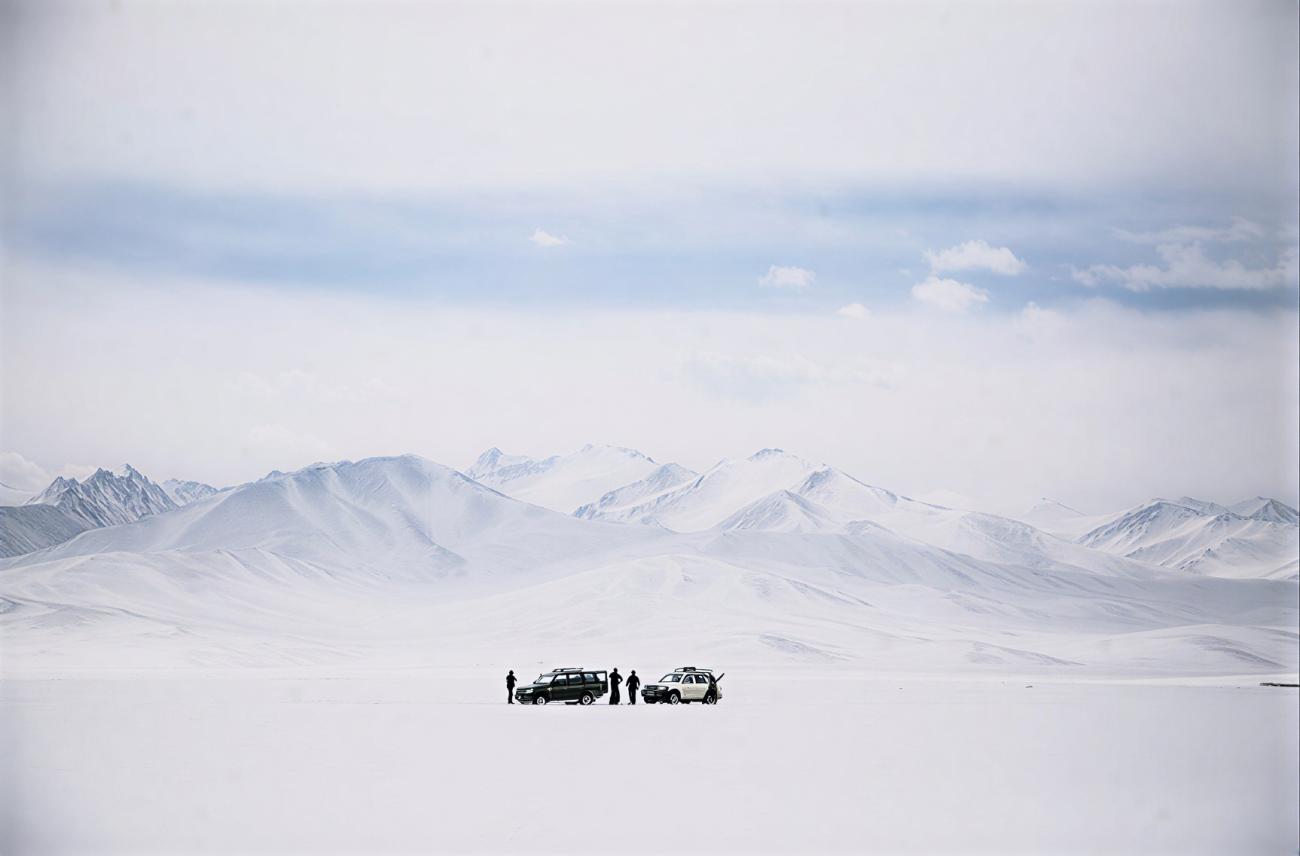
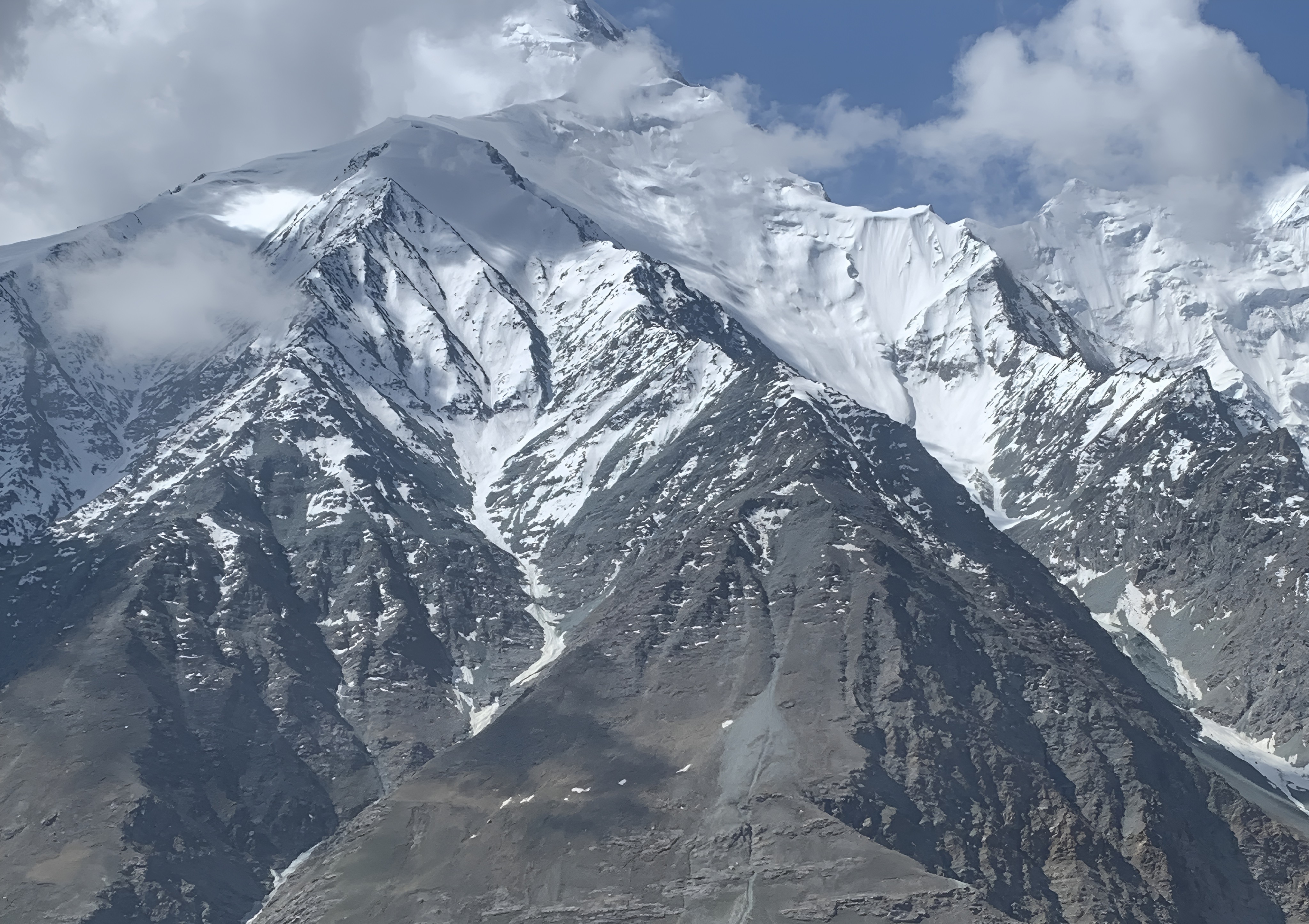
Last year, on the eve of the first International High-level Conference on Glaciers’ Preservation in Dushanbe, I had the opportunity to visit the spectacular Vanjyakh (formerly Fedchenko) Glacier. Located in the Pamir Mountains, it is the longest glacier outside the Earth’s polar regions, stretching 77 kilometres (47 miles). There, I was reminded that glaciers are the world’s water towers and must be protected.
Tajikistan’s role as the “water tower” of Central Asia is both historic and strategic. The glaciers and rivers flowing from its mountains provide freshwater to millions across the region. Water is not only a vital resource but also a cornerstone of national identity, diplomacy and regional cooperation.
Yet climate change is causing glaciers to melt faster, pressuring water systems and intensifying floods and droughts. This makes sustainably managing water one of the country’s biggest challenges for the future.
At the same time, I see how new technologies, especially AI, can create opportunities to improve how water is used, managed, and better protected. For example, AI can help predict glacier melt and river flow more accurately. It can also strengthen early warning systems for natural hazards and improve irrigation and hydropower planning. These tools can support Tajikistan and its neighbours in adapting to climate change and better preparing for disasters.
Leadership and partnerships address challenges
However, AI itself brings new challenges. Data centres and digital systems use large amounts of water and energy, especially for cooling. This raises questions about water use, transparency and local environmental impacts. If not managed carefully, the very technologies meant to protect water resources could put more strain on them.
In this sense, Tajikistan’s water and AI stories are similar: both can shape the country’s future but must be managed carefully.
New partnerships and Tajikistan’s global leadership are offsetting these risks. Since the UN began its work in Tajikistan in 1993, cooperation with the Government and partners has improved water access and management. This work has evolved from providing humanitarian aid to developing environmentally sustainable programmes that use AI.
Over three decades, Tajikistan has become a leading global voice on water. The country began by declaring 2003 the International Year of Freshwater and continued its advocacy through two decade-long campaigns dedicated to water.
More recently, Tajikistan championed a global effort to declare 2025 the International Year of Glaciers’ Preservation. It also hosted the first International Conference on Glaciers’ Preservation in Dushanbe, highlighting the immediate impacts of glacier loss. Preparations are underway, in collaboration with the UN, for the fourth Dushanbe Water Action Decade Conference in 2026, which will strengthen international collaboration and ensure that water and technology remain national and international priorities.
These events bring governments and organizations together, fostering agreement on using AI without harming water resources.
The emerging role of AI in water management
In 2025, Tajikistan put forward a UN resolution on the “Role of AI in creating new opportunities for sustainable development in Central Asia,” reflecting its goal of using AI to benefit one of the youngest regions on the planet.
In water management, AI already provides practical tools, such as satellite monitoring, to map glaciers, river basins and water flows more accurately. UN agencies in Tajikistan are supporting the Government in leveraging these digital tools to improve climate resilience. A recent example is the “Glacier Lifelines” virtual reality equipment provided to Tajik scientists, which visualises glacier changes and their impacts.
Building on these immersive tools, digital platforms are also translating data into actionable insights. With support from the UN Environment Programme (UNEP), the Atlas of Environmental Change offers an interactive online tool where users can track glacial retreat, model water impacts, and guide decisions about reservoirs, conservation, and early warning systems.
These innovations are being scaled through regional projects that combine technology with on-the-ground action. The Central Asia Regional Project on Glacial Lake Outburst Floods (GLOFCA), led by the UN Educational, Scientific and Cultural Organization (UNESCO) and financed by the Adaptation Fund, is supporting the region in managing the risks posed by floods from glacier lakes breaking apart. Running from 2021 to 2027, the project combines AI analysis with local efforts, ensuring that monitoring leads to practical risk reduction. For example, automatic sensors are being installed to monitor snow, temperature and precipitation. Meanwhile, radio communication and early warning systems help communities prepare. Trackers follow changes in glacial lakes, and hazard modelling identifies the most dangerous zones.
As AI transforms the collection and utilisation of data to safeguard communities, Tajikistan will be better positioned to foresee climate impacts while continuing to involve local communities.
A shared vision for water and innovation
The future of water security depends on international cooperation, new technologies and strong national systems and resources. Tajikistan’s leadership in preserving water, together with emerging digital tools, offers real opportunities to advance all three.
The UN team in Tajikistan is dedicated to safeguarding resources, assisting communities to withstand shocks, and ensuring that innovation benefits both people and the environment. By integrating science, policy, and partnerships, water can continue to contribute to prosperity not only in Tajikistan and Central Asia but also worldwide.
Water has always linked countries. By using technology and AI responsibly, working together and demonstrating careful leadership, we can create a sustainable and resilient future – and protect it now and for generations to come.
This blog was authored by Parvathy Ramaswami, the United Nations Resident Coordinator in Tajikistan. Learn more about the UN's work in Tajikistan on the UN team's website.