Sustaining Safety: Georgia Strengthens National Systems to Protect Women and Girls

“When we began, people said we were interfering in family matters. Now, women come to us because they believe they can shape their own futures.” This reflection from a woman working in one of Georgia’s crisis centres captures a profound shift taking place across the country.
In communities where traditional norms and harmful stereotypes isolate women and deter them from seeking help, these centres have emerged as trusted lifelines. Women and girls who once faced abuse in silence now access safe spaces where they receive counselling, emotional support, legal assistance, and practical guidance, including the skills needed to rebuild their lives with dignity and independence.
However, despite progress in policies and an increase in available services, gender-based violence (GBV) remains one of Georgia’s most serious human rights challenges. Deep-rooted patriarchal attitudes and discriminatory social norms continue to justify violence or silence victims. Nearly one in two women aged 15–69 has experienced some form of violence, and one in four has faced intimate partner violence. Between 2018 and 2022, 183 cases of murder and attempted murder of women were recorded, 66 of which were classified as femicides.
Harmful practices also persist. 14 per cent of women aged 20-24 report having been married before turning 18, with the highest rates in ethnic minority communities, where cultural expectations intersect with socioeconomic vulnerabilities.
Economic inequality further traps many women in abusive relationships, as gender pay gaps, limited access to financial resources, and the disproportionate burden of unpaid care work reduce their ability to leave violent situations.
National ownership leading partnerships
Recognizing the urgency of addressing GBV, the Government of Georgia has made prevention and survivor support a national priority. The UN in Georgia is helping to turn this commitment into concrete progress.
Here, the UN Resident Coordinator (RC) plays a pivotal role. By bringing together government institutions, UN agencies, civil society organizations, and international partners, including the European Union and the Government of Sweden, the RC ensures that Georgia’s response to GBV is coordinated, comprehensive, and grounded in shared priorities. Under this unified approach, prevention, survivor support, legislative reform, and economic empowerment are treated as interconnected pillars of a single system rather than isolated initiatives.
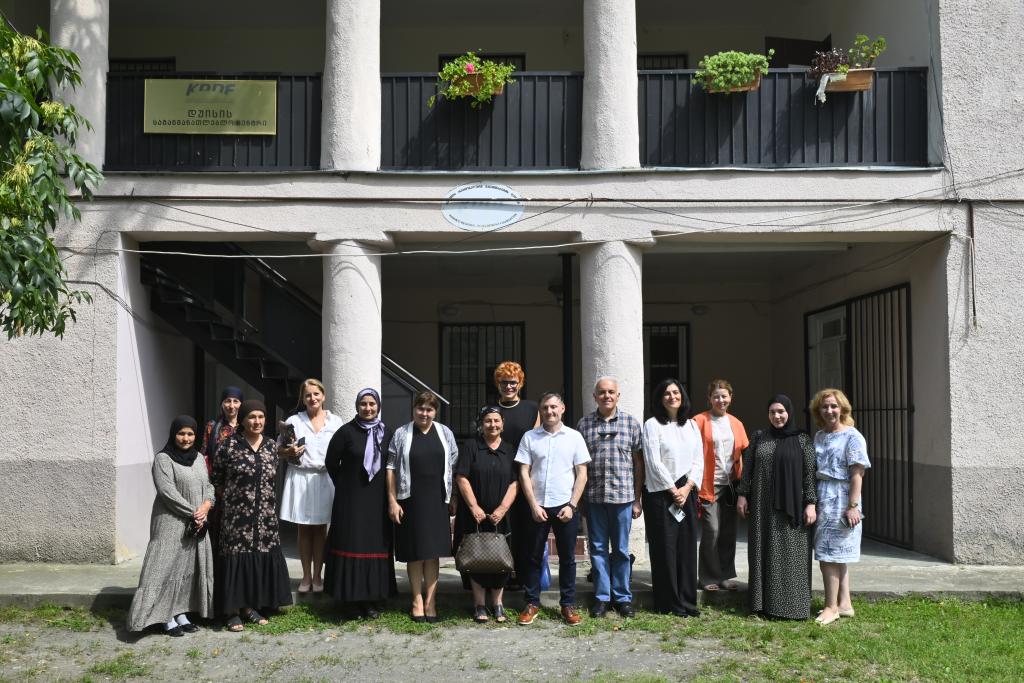
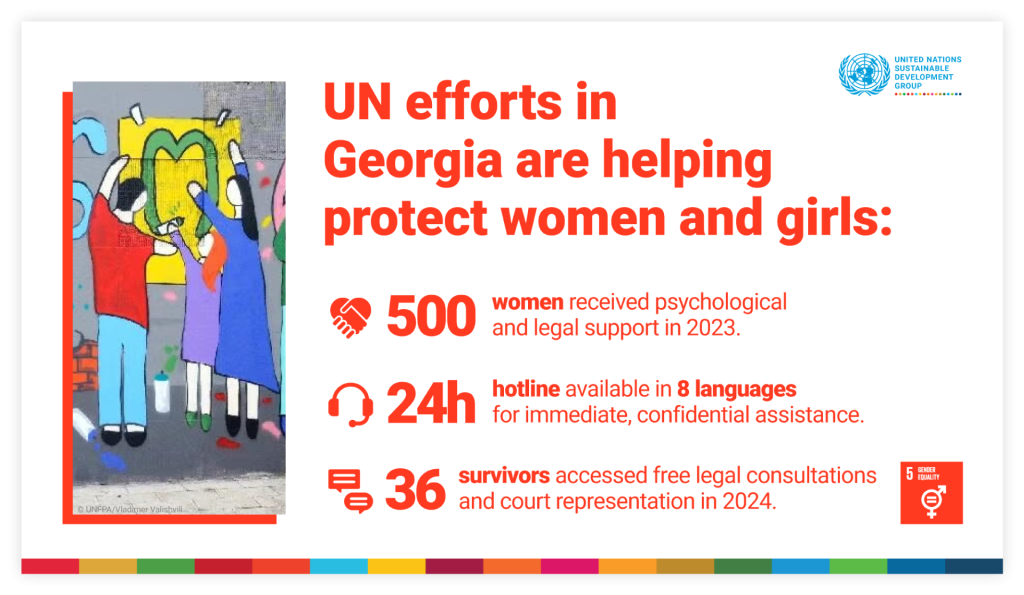
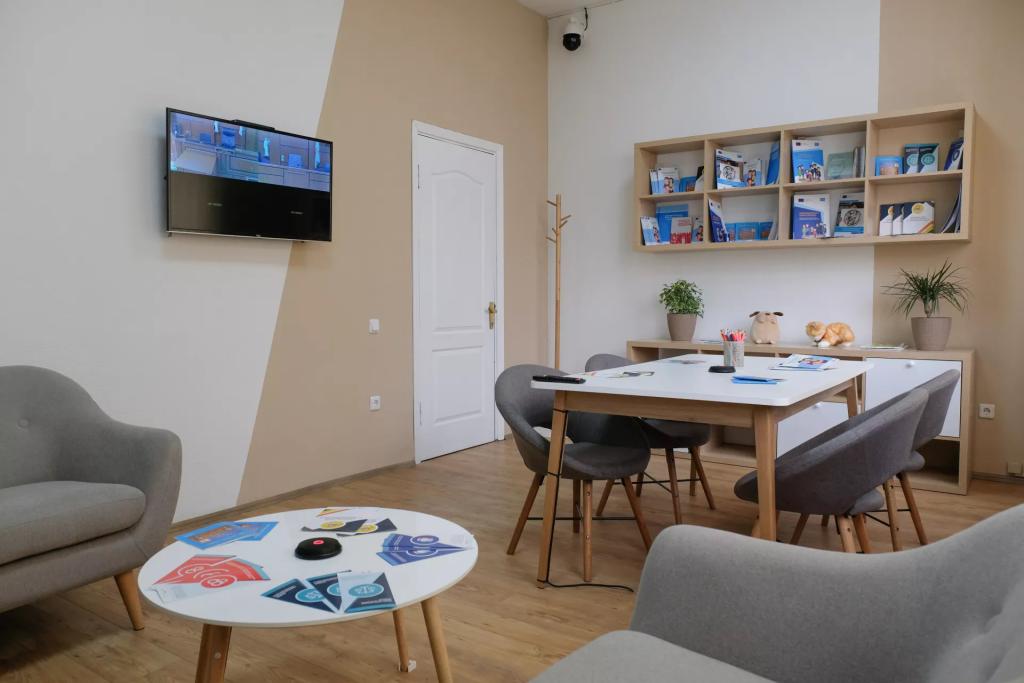
This coordinated approach was essential in the early expansion of services. UN Women, in collaboration with the State Care Agency, civil society partners, with funding from the European Union and the Government of Sweden, supported the creation of crisis centres and shelters across the country. Since 2010, five shelters and seven crisis centres have opened, each staffed by a psychologist, social worker, and lawyer providing far more than consultations. They offer emotional support, courtroom accompaniment, legal guidance, and vocational training, enabling survivors to rebuild their lives and regain autonomy. In 2023 alone, more than 500 women accessed psychological and legal support.
Over time, these investments catalyzed a critical shift: full national ownership. The crisis centres and shelters that began as donor- and UN-supported initiatives are now fully financed by the Government of Georgia. This transition signals a major milestone in the country’s GBV response, showing that essential survivor services are not temporary programmes but durable components of Georgia’s social protection framework, laying the foundation for long-term sustainability.
Despite progress, infrastructure gaps remain. With only 105 shelter beds nationwide, Georgia continues to fall well below the Council of Europe’s recommended standard of one bed per 10,000 residents. Continued investment will be essential to meet growing needs and ensure full accessibility for all women and girls.
Building a stronger system of prevention
Under the RC’s leadership, the UN in Georgia brings together UN Women, the UN Population Fund (UNFPA), and the UN Development Programme (UNDP) to strengthen national systems. This coordinated support integrates GBV prevention with access to justice, education, and employment. UN agencies also provide evidence-based research and data to inform policy decisions and improve targeting of resources.
Prevention efforts have expanded significantly. Multilingual awareness campaigns now reach rural and ethnic minority communities, civil servants, educators, and youth, promoting available services and challenging harmful norms. A nationwide hotline operates 24/7 in eight languages, offering immediate, confidential assistance.
With UN support, the State Legal Aid Service launched specialized legal assistance for GBV survivors in 2024. In its first year, it handled 36 cases, providing both legal consultations and courtroom representation, filling an essential gap for women unable to access justice.
A new frontier: Confronting online violence
As Georgia’s response to traditional forms of GBV strengthens, new threats are emerging in digital spaces. Women now face online harassment, image-based abuse, data leaks, and sexist hate speech, forms of violence that have severe offline repercussions, affecting mental health, safety, and participation in public life.
To address this challenge, UNFPA launched an EU-funded knowledge-sharing platform in February 2025 to improve prevention and response to technology-facilitated GBV. Bringing together digital rights advocates, civil society, researchers, and policymakers, the platform represents an important step toward ensuring safer online environments for women and girls.
Moving forward together
“Georgia can rightly point to many achievements in women’s rights. Yet there remains an urgent need to prioritize gender equality and the empowerment of women to achieve transformative and sustainable change. This includes addressing gender-based violence and closing gender gaps in access to resources and decision-making,” emphasizes UN RC Didier Trebucq. “The United Nations remains committed to working with the government and our partners, securing dignity, safety, and equality for all women and girls.”
Sustaining progress will require continued intersectoral partnerships, multilateral cooperation, and a collective commitment to building a culture rooted in empathy and equality. Expanding prevention efforts, increasing economic opportunities for women, and ensuring survivor-centered services, both offline and online, remain essential.
Three decades after the Beijing Platform for Action, achieving gender equality in Georgia and around the world remains a work in progress. But it is within reach. By upholding Beijing’s vision and strengthening coordinated efforts today, Georgia can help build a future where every woman and girl lives free from fear and discrimination, fully exercises her rights, and realizes her potential.
Read more about the UN's work in Georgia here.





Latest news and updates