80 Years of the United Nations, 65 Years of Partnership with Togo for a Sustainable Future
“The challenges of the next 80 years will be both familiar and unprecedented. [...] To meet these challenges, let us remember what our founders already knew: the only possible path is unity.” - António Guterres, Secretary-General of the United Nations.
As the United Nations celebrates its 80th anniversary, Togo marks 65 years of partnership with the organization, a collaboration that has led to tangible progress in sustainable development, peace and human rights. Across the country, the UN’s footprints are woven into the daily lives of millions of Togolese, ensuring no one is left behind.
At Lomé, Togo’s capital, the UN pools together the expertise of 22 resident and non-resident agencies, working closely over the country’s 65-year membership.
Tangible progress for the people
According to Ms. Coumba Dieng Sow, UN Resident Coordinator (RC) in Togo, over two million people—nearly a quarter of the population—benefited from the UN’s support in 2024 and more in 2025.
Togo reached a major milestone, moving from the category of low human development countries to medium human development, with a Human Development Index (HDI) of 0.571. This progress ranks Togo second in the West African Economic and Monetary Union (WAEMU) region and reflects collective efforts from Government, civil society and the UN in poverty reduction and socio-economic reforms in health, education and water—key contributors to achieving the Sustainable Development Goals.
The UN’s support has covered a wide range of areas, from migration governance to refugee protection and humanitarian aid in vulnerable regions. From health and social protection to jobs and youth empowerment, every initiative sought to build resilience for the Togolese people.
For example, amidst the mass displacement caused by the ongoing crisis in the Sahel, in support of the Government’s Emergency Program for Resilience and Security (PURS), the UN has reached over 500,000 people in Togo’s Savanes region, including 40,000 refugees and 10,000 internally displaced persons, with support amounting to 10.3 billion CFA francs (approximately $18.5 million). The initiative provides multi-dimensional support to address integrated needs, such as cholera treatments during outbreaks, hygiene supplies during floods, improved water, hygiene and sanitation access, installing latrines in health facilities and schools and food to manage malnutrition while promoting dialogue mechanisms for social cohesion.
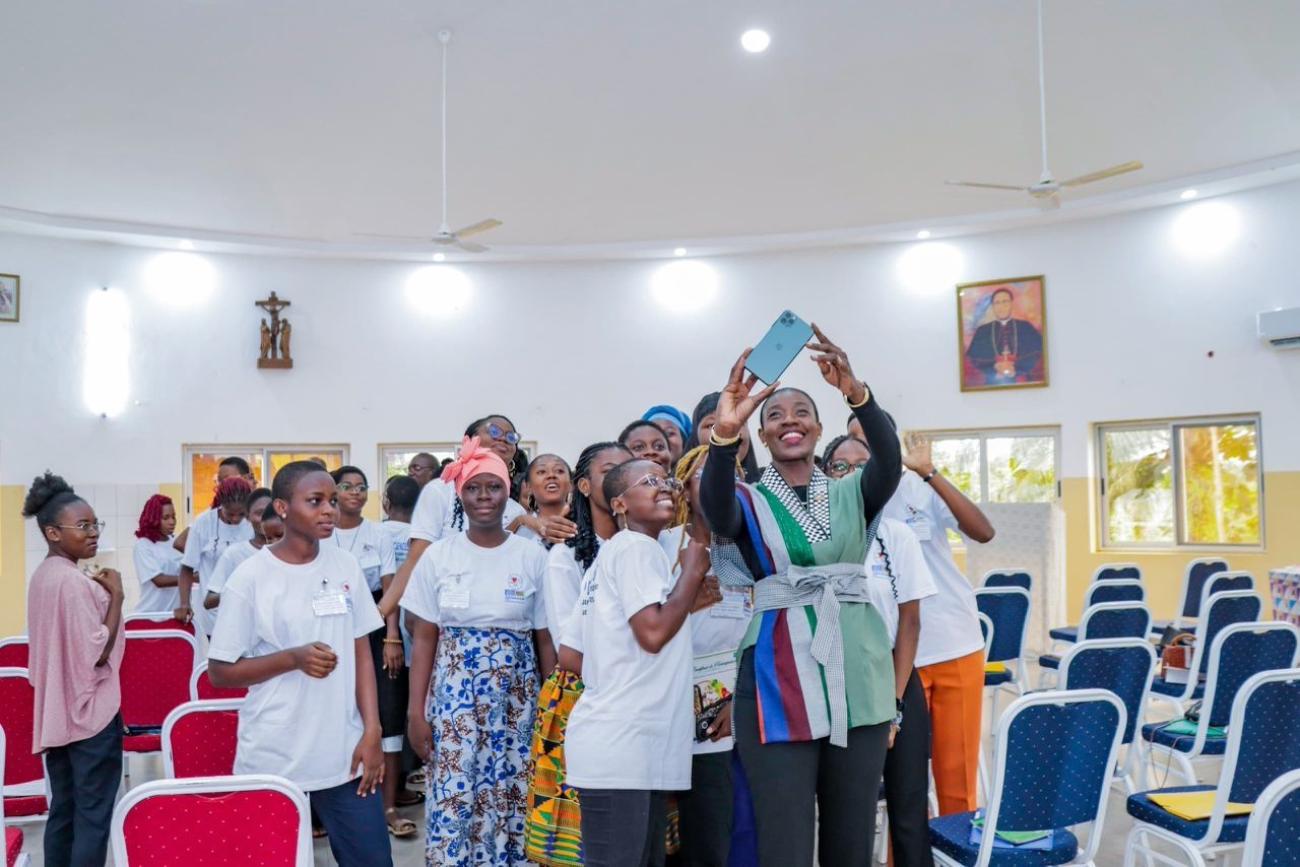
Youth, women and girls at the heart of change
Youth represent the country’s future and its greatest strength. The UN supports this energy through major initiatives like the Youth Delivery Lab, organized by young people and backed by the Togolese Government. In 2025, it brought together over 4,400 youth to develop local and sustainable solutions in employment, agribusiness, sports, peace and social cohesion.
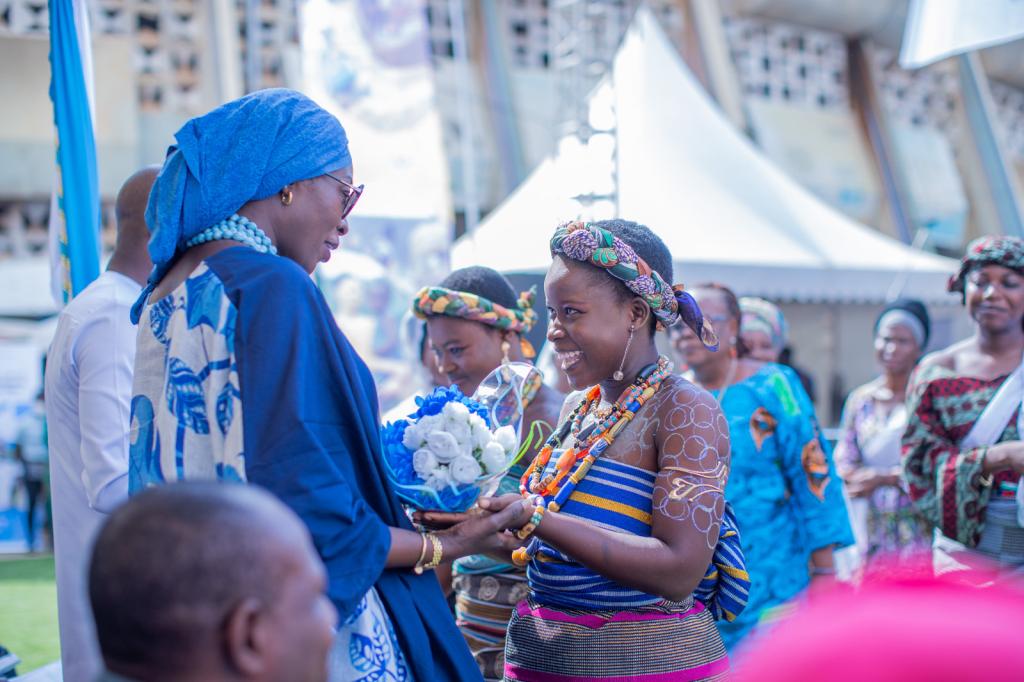
Youth entrepreneurship is also encouraged through programmes that facilitate access to inclusive financing, mentorship and digital training. Keeping alive the legacy of Nana Benz, one of Togo’s pioneering businesswomen, these Government-led initiatives are reaching two million women. At the University of Lomé, the UNIPOD centre stands out as a hub of ideas and innovation, enabling youth to propose solutions in renewable energy, smart agriculture and inclusive digital services. Young people are also actively engaged in climate challenges, working with the UN to plant over two million trees in 2025 and restore 1,055 hectares of degraded land, promoting climate adaptation techniques.
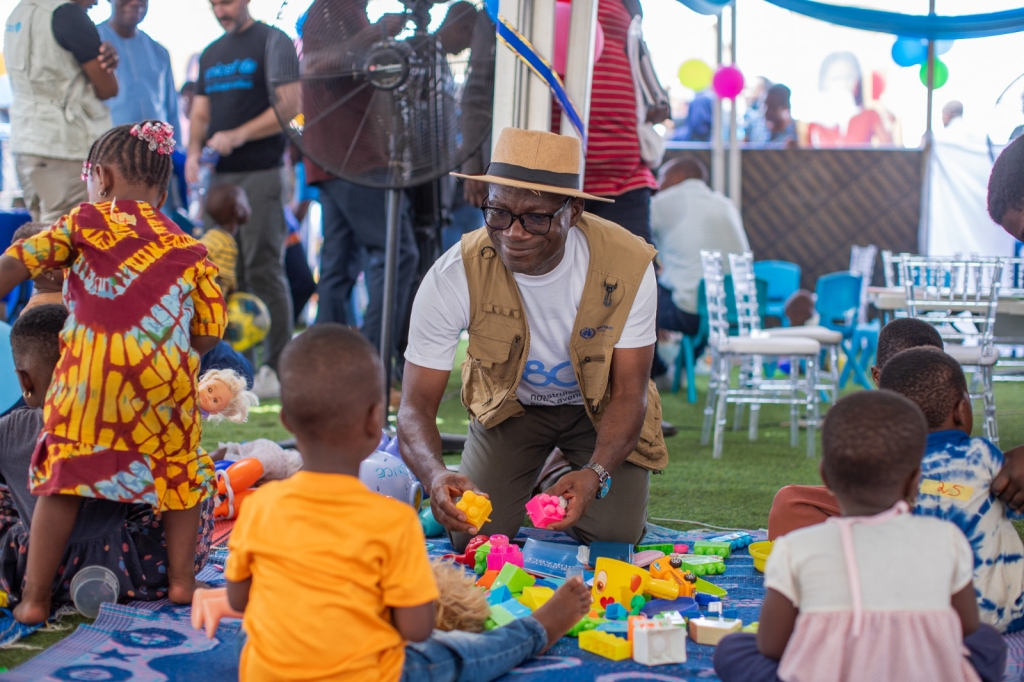
Technology serving humanity
The country is also transforming education through free schooling and classroom renovations, achieving a net primary school enrollment rate of 97.8 per cent. The UN contributes by developing and providing educational tools and resources, including to the 100,000 school kits programme in 2025 and school feeding programmes, while also addressing socio-cultural barriers that hinder girls’ success.
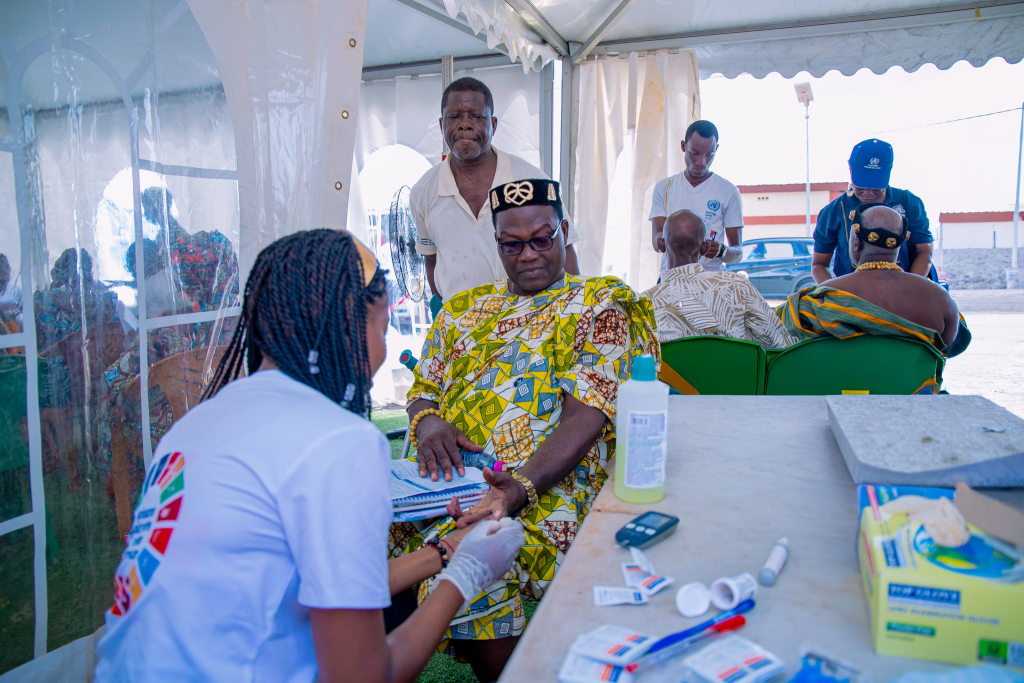
Health remains a top priority for the Government even as the sector benefits from scientific breakthroughs. In 2025, Togo became the first African country to eliminate lymphatic filariasis and Guinea worm disease. The introduction of the malaria vaccine in 2025, thanks to the efforts of the UN’s coordination and GAVI, the Global Vaccine Alliance, has renewed hope for families, reaching over 265,000 children in all 39 districts so far. Routine immunisation and reaching zero-dose children—those previously missed or incompletely vaccinated—are also key priorities.
With UN support, the country is implementing universal access to HIV/AIDS prevention, treatment and anti-stigma efforts.
Innovation is also shaping the health sector and provision of public services. With technical assistance from the UN, Togo launched the construction of its National Centre for Digital Health (CNSD) in October 2024 in Lomé, as part of efforts to modernise its health system. In partnership with the private sector, the United Nations is building the country's second hemodialysis centre in Kara, in the North Central region. Support for digital platforms is simplifying citizens’ access to public services. Over 147,000 people have obtained legal identity through civil registry digitisation, facilitating access to rights and basic services.
Diplomacy and peace: a constant commitment
On the international stage, Togo continues to assert its role. It has twice served on the UN Security Council and actively contributes to peacekeeping operations through military and police contingents. The country has also ratified numerous international legal instruments, affirming its active role in promoting UN values.
In September 2025, Togo finalised its National Action Plan for implementing Resolutions 1325 and 2250, which emphasise the inclusion of women and youth in peacebuilding and security. The same year, Lomé hosted a groundbreaking regional dialogue with Burkina Faso, Ghana, Côte d’Ivoire and Benin, creating an avenue to discuss pressing issues around peace and displacement in the region. Supported by the UN, this year-long process addressed sensitive issues such as forced displacement, while seeking to balance national security and refugee protection.
United and future-focused
As the UN celebrates its 80th anniversary, the UN’s partnership with Togo is a shining example of how sustained and innovative cooperation can transform lives. As RC Coumba Sow affirms, “From vaccination to digital transformation, from youth entrepreneurship to land restoration, from access to rights to the fight against malaria—the partnership between the United Nations and Togo remains a cornerstone in building a fair, sustainable and people-centered future.”
This story is based on an article originally published in Calebasse magazine, the in-flight magazine of Asky Airlines. Read more about the UN's work in Togo on the UN team's website.





Latest news and updates