Disability Inclusion: Turning Commitment into Collective Action
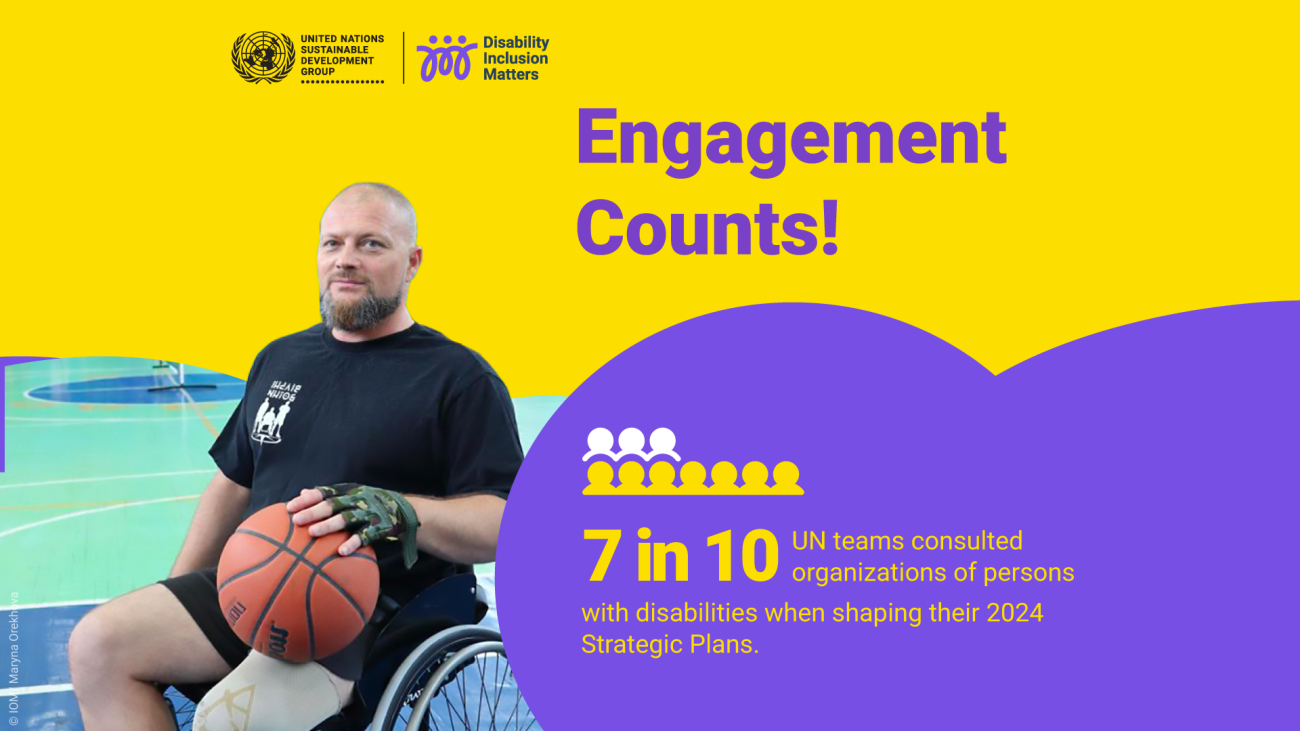
Across different regions and contexts, United Nations Country Teams (UNCT) are demonstrating that disability inclusion is not an isolated initiative but a tangible shift in how development is planned, delivered, and sustained. Guided by the coordination role of Resident Coordinators (RC), UN teams collaborate with governments, civil society and organizations of persons with disabilities to turn international commitments into practical results at the country level.
Together, they demonstrate the range of what is possible when inclusive policies, strong partnerships, and programmatic support align, creating environments where all individuals can participate fully, meaningfully, and without barriers.
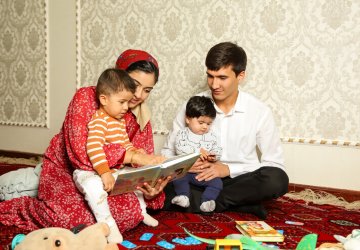
Turkmenistan: Bringing policy and community together
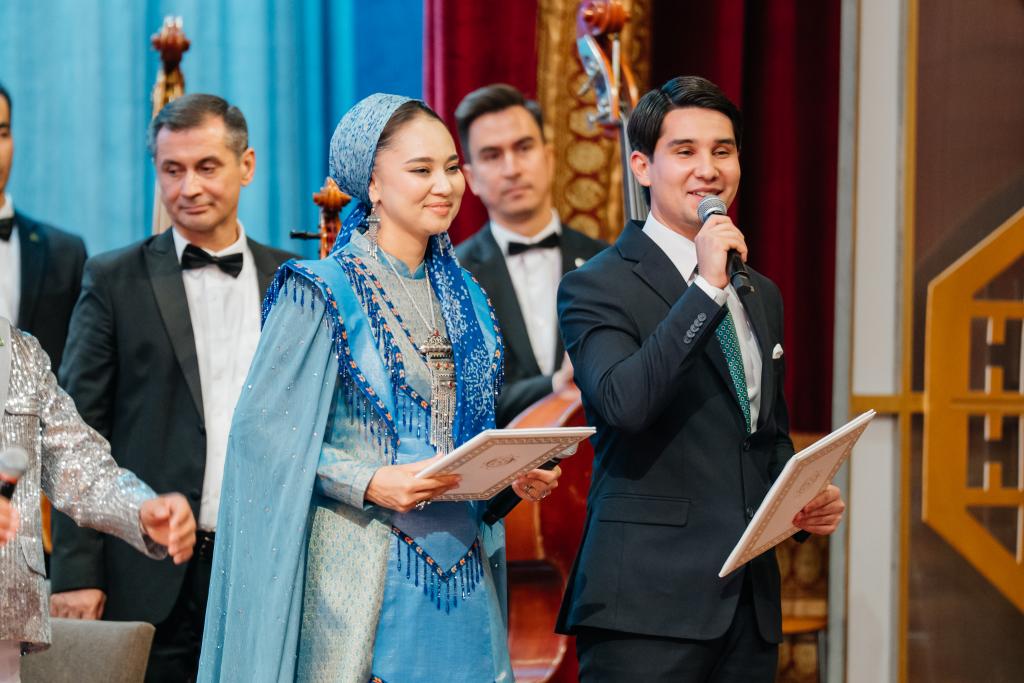
In Turkmenistan, the UNCT used the momentum of the UN’s 80th anniversary to spotlight inclusion through cultural expression, dialogue and policy engagement. A UN concert featuring performers with disabilities set the tone for a month of activities celebrating diversity. The annual “We Are Different - We Are Equal” Festival transformed a park in Ashgabat, the country’s capital, into a vibrant, inclusive space where children, families, athletes and artists created and competed side by side.
The Resident Coordinator and his Office, in partnership with the Office of the High Commissioner for Human Rights (OHCHR), brought together UN entities, disability organizations, civil society and government partners, ensuring the Festival became a joint platform for continued engagement.
This public celebration was complemented by a policy-focused roundtable on strengthening national frameworks for disability rights. Government representatives, civil society and organizations of persons with disabilities participated in examining practical steps to align laws and services with international commitments. OHCHR facilitated technical consultations that helped identify priority areas for a forthcoming National Strategy on the rights of persons with disabilities, anchored in the principle of meaningful participation.
Guatemala: Embedding disability inclusion in national priorities
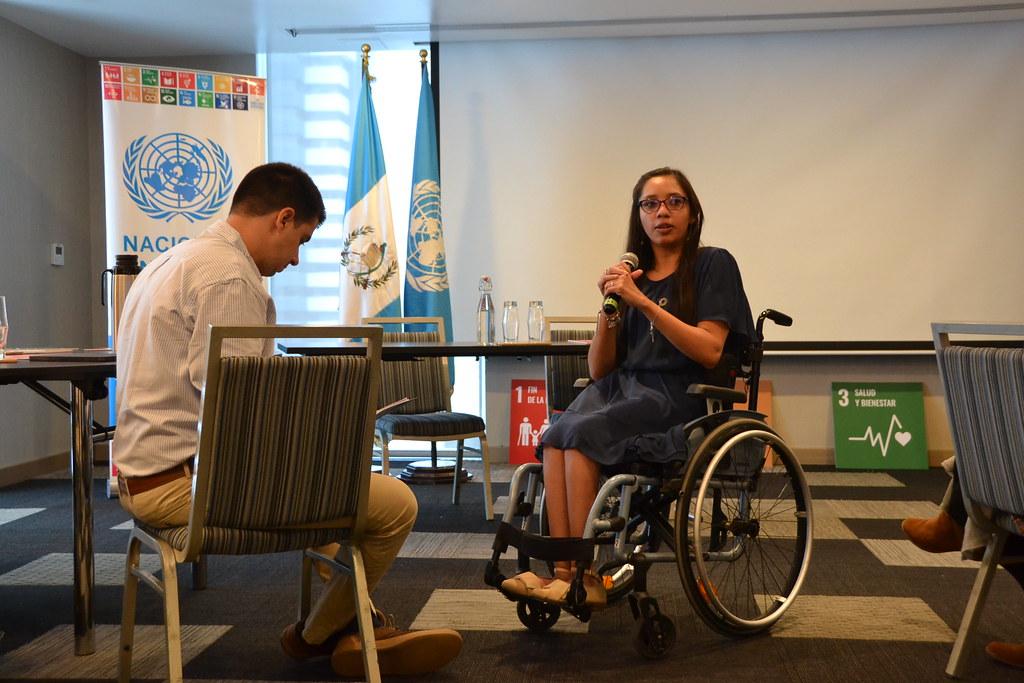
In Guatemala, 2024 marked a significant policy milestone: the adoption of a new disability law aligned with the country’s long-term commitments. This achievement followed sustained UN engagement and coordination with national authorities, including the President and the First Lady. The RC and the UNCT played a central role in supporting the development and passage of this landmark legislation. To ground this policy momentum in lived experience, the UN continued to work with an Advisory Council bringing together organizations of persons with disabilities. A Disability Inclusion Task Force strengthens coherence across UN entities, helping ensure that programme choices, strategies, and workplans reflect the priorities of persons with disabilities.
The results achieved in Guatemala reflect the UN’s commitment to making disability inclusion an organization-wide responsibility, in line with the UN Disability Inclusion Strategy (UNDIS). Through an inter-agency coordination group, the RCO has reinforced this shift by developing practical tools to improve accessibility and inclusive communication, such as sign-language guidance, digital accessibility assessments and procurement and consultation guidelines.
India: Advancing participation and preparedness
The UN in India, under the leadership of the RCO, has supported several governance efforts that have placed persons with disabilities at the centre of India’s national development processes.
As part of India’s Voluntary National Review (VNR), UN India supported the Government’s whole-of-society approach by enabling broad consultations with civil society, including organizations of persons with disabilities. These efforts, ranging from a nationwide survey and a Hindi-language webinar for grassroots groups across 11 states to an intergenerational dialogue and a national consultation in New Delhi, brought together over 100 participants representing all 21 disability categories recognised under national law. Their contributions informed the Government’s final VNR report, ensuring that the voices of persons with disabilities shaped national priorities.
At the International Purple Fest 2025, the United Nations in India partnered with the Government of Goa and the Department of Empowerment of Persons with Disabilities at the Ministry of Social Justice and Empowerment to advance disability-inclusive disaster preparedness. A key highlight was a South-South workshop convening organizations of persons with disabilities and UN agencies from Bhutan, Maldives, Thailand and India. The exchange focused on practical models, from community early-warning systems to accessible evacuation protocols and inclusive school preparedness. Building on this dialogue, the Government of Goa committed to a roadmap to become a national model for disability-inclusive preparedness, with continued support from the UN in India team and organizations of persons with disabilities.
Making inclusion a lasting reality
The experiences of Turkmenistan, India, and Guatemala demonstrate that disability inclusion progresses most rapidly when policy, practice, and community leadership collaborate. RCs and UNCTs are ensuring that persons with disabilities are not only visible within development processes but also play a central role in shaping them. As more governments strengthen their legal frameworks and invest in accessible systems, the UN continues to support these efforts. The way forward is clear: disability inclusion must be integrated into every aspect of sustainable development so that the commitment to leave no one behind genuinely materialises everywhere.
Learn more about International Day of Persons with Disabilities here.





Latest news and updates