Chile and its NDC: A Renewed Commitment to Climate Action
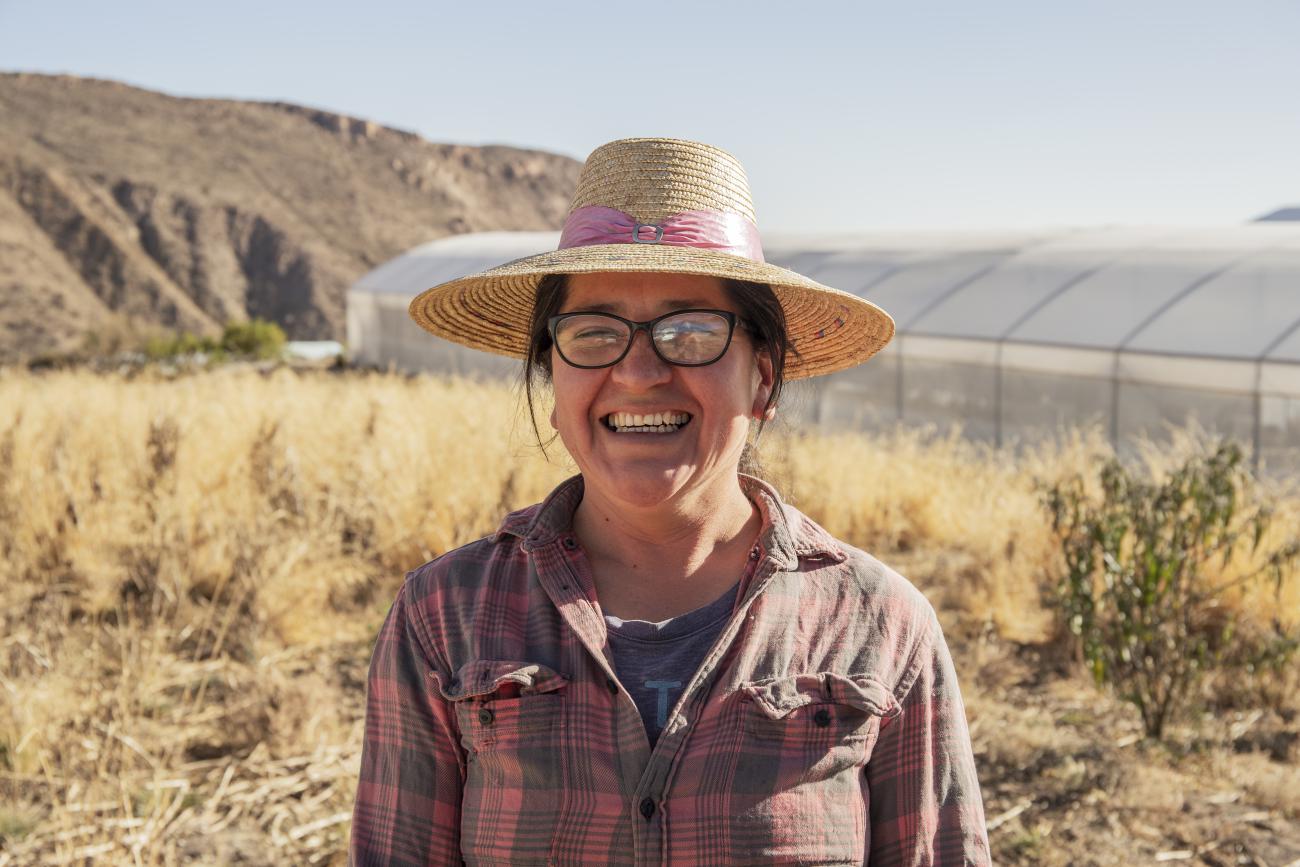
United Nations Resident Coordinator in Chile, María José Torres, together with United Nations Development Programme (UNDP) Resident Representative Georgiana Braga-Orillard, reflect on how Chile’s COP30 commitments signal a shift toward a climate agenda that blends ambitious emissions reductions with social equity and sustainable development.
Chile has taken a significant step towards creating an ambitious, transformative climate agenda. At the recently concluded United Nations Climate Change Conference (COP30), it left with a clear roadmap and a powerful narrative: climate action as a driver of sustainable development, equity and resilience.
The country’s location in the “Pacific Ring of Fire” makes it vulnerable to natural disasters that will become more frequent and severe as climate change intensifies. In the past, four major droughts caused over $1 billion in damages each. One such drought in 2019 impacted more than 30 per cent of the country’s population. Floods have also caused over $5 billion in losses across more than 35 events. This affected close to 2 million people.
Against this backdrop, Chile’s updated Nationally Determined Contribution (NDC) for 2025-2035, the country’s commitment to the Paris Agreement, represents a decisive moment. This new NDC, the first ever developed under the Framework Law on Climate Change, raises mitigation and adaptation targets while introducing climate finance instruments and emissions traceability mechanisms.
NDC 3.0 targets for a greener future
The 2025 NDC ensures that 80 per cent of electricity is generated from renewable sources by 2030, prioritises green taxes, and puts a social price on carbon. All of this requires committed implementation, sufficient financing, innovation, and the participation of local communities.
Crucially, the updated NDC emphasises public-private collaboration as a key focus, unlike the two previous NDCs, which did not include dialogue with the private sector.
Led by the Resident Coordinator’s Office (RCO), the United Nations team in Chile has supported this process at every step.
Private sector allies for climate action
The team pooled the expertise of UN entities. It forged strong partnerships among the private sector, the Government, scientists, academia, civil society and communities to ensure that Chile aims for a sustainable, carbon-neutral future.
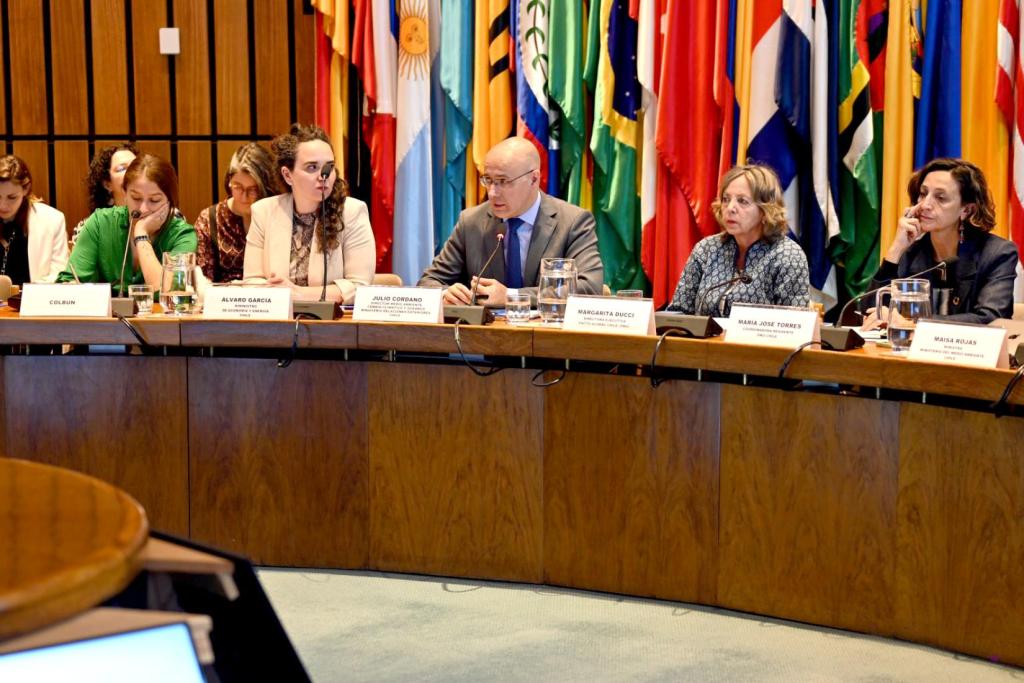
From May to October, in close partnership with the UN Global Compact and government ministries, the UN in Chile organized three High-Level Dialogues that included participation from ministers and the private sector, including major mining, forestry, and telecom companies.
The first dialogue gathered inputs from the private sector on designing the new NDC. The second then enhanced business awareness and commitment to the NDC.
The third dialogue marked a pivot towards implementing climate commitments, positioning the private sector as a key driver of innovation.
Beyond these dialogues, UN Chile provided vital support for the design and approval of the Just Socio-Ecological Strategy (ENTSEJ), a cornerstone of the NDC. One of the aims of the ENTSEJ is to define processes for closing or transforming certain industries and preventing damage in areas typically affected by climate or ecological impacts. Given that Chile is the world’s largest copper producer and the second-largest lithium producer, engagement with the private sector was essential to developing this Strategy.
As such, our team fostered multi-stakeholder dialogue and inter-institutional collaboration. For example, UN Chile delivered technical assistance for the coordination of the Inter-Ministerial Committee for Just Socio-Ecological Transition and the Committee for Just Water Transition. Our team also supported in securing international funding from donors to bring this Strategy to life and turn plans into action.
Private sector dialogues and the ENTSEJ are only part of the overall picture. A flagship initiative driving private sector involvement in climate efforts is “United for Climate Action,” a multi-stakeholder alliance that translates Chile’s 2025-2035 NDC into a strategic roadmap for the private sector. Our team held meetings with corporate leaders to better understand how their priorities could align with national goals for emissions reduction and climate adaptation.
A whole-of-society approach must involve the private sector. But we cannot overlook the communities on the frontlines of climate change.
A sustainable journey for all
Moving toward a more sustainable and inclusive development model means that we must guarantee full participation for vulnerable communities and equitable access to its benefits. A fair socio-ecological transition must therefore ensure greater employment, training and leadership opportunities for women and young people in green and blue sectors.
To achieve this, UN Chile is supporting the implementation of the ENTSEJ to transform former "sacrifice zones" into "transition zones." Sacrifice zones are toxic and degraded areas with a high concentration of chemical, metallurgical, or extractive industries, which are conducive to economic development but harmful to residents and the environment.
This transformation seeks to replace pollution with sustainable development, equity, decent work and participatory local governance so that everyone’s voice is heard.
Paving the way forward
We will continue working with Chile to strengthen institutional and inter-ministerial coordination, while also providing technical support for the implementation of 51 NDC measures. In line with our collaboration with the private sector, we will also support the facilitation of access to international partnerships and climate finance.
As the United Nations in Chile, we reaffirm our commitment to continue down this path, convinced that the country’s climate leadership can inspire the entire region.
This blog is authored by María José Torres, United Nations Resident Coordinator in Chile and Georgiana Braga-Orillard, Resident Representative of the United Nations Development Programme (UNDP) in Chile. Read more about the UN's work in Chile here.





Latest news and updates