Transforming Health Systems in Sierra Leone
Ms. Seraphine Wakana, UN Resident Coordinator in Sierra Leone, reflects on a new programme in Moyamba that addresses health needs across all life stages. Explaining how the UN works with national and local partners, she also highlights the programme's innovative financing model and potential to inform similar projects in the country.
In Sierra Leone’s Southern Province, against the backdrop of Moyamba’s bustling markets and the serene Atlantic coastline, the country is quietly rewriting its health story. This transformation is not immediately visible among the vibrant scenes of daily life, yet it is shaping the future of every family and community. Health, as the saying goes, is wealth, and Sierra Leone is proving that investment in health pays dividends for development.
Over the past decade, the country has achieved remarkable progress. According to the World Bank, under-five mortality has fallen by 32 per cent per 1,000 live births, and maternal deaths have dropped by more than half between 2013 and 2023. These gains reflect years of commitment and collaboration, laying the foundation for a bold new chapter: one that signals Sierra Leone’s readiness to scale sustainable health solutions for generations to come.
Yet, progress has not erased every challenge. Rural districts like Moyamba still face obstacles in delivering quality health services. Recognising these realities, Sierra Leone is doubling down on its commitments to a healthier future and staying the course, working hand in hand with the UN country team, local and national partners to bridge the gaps.
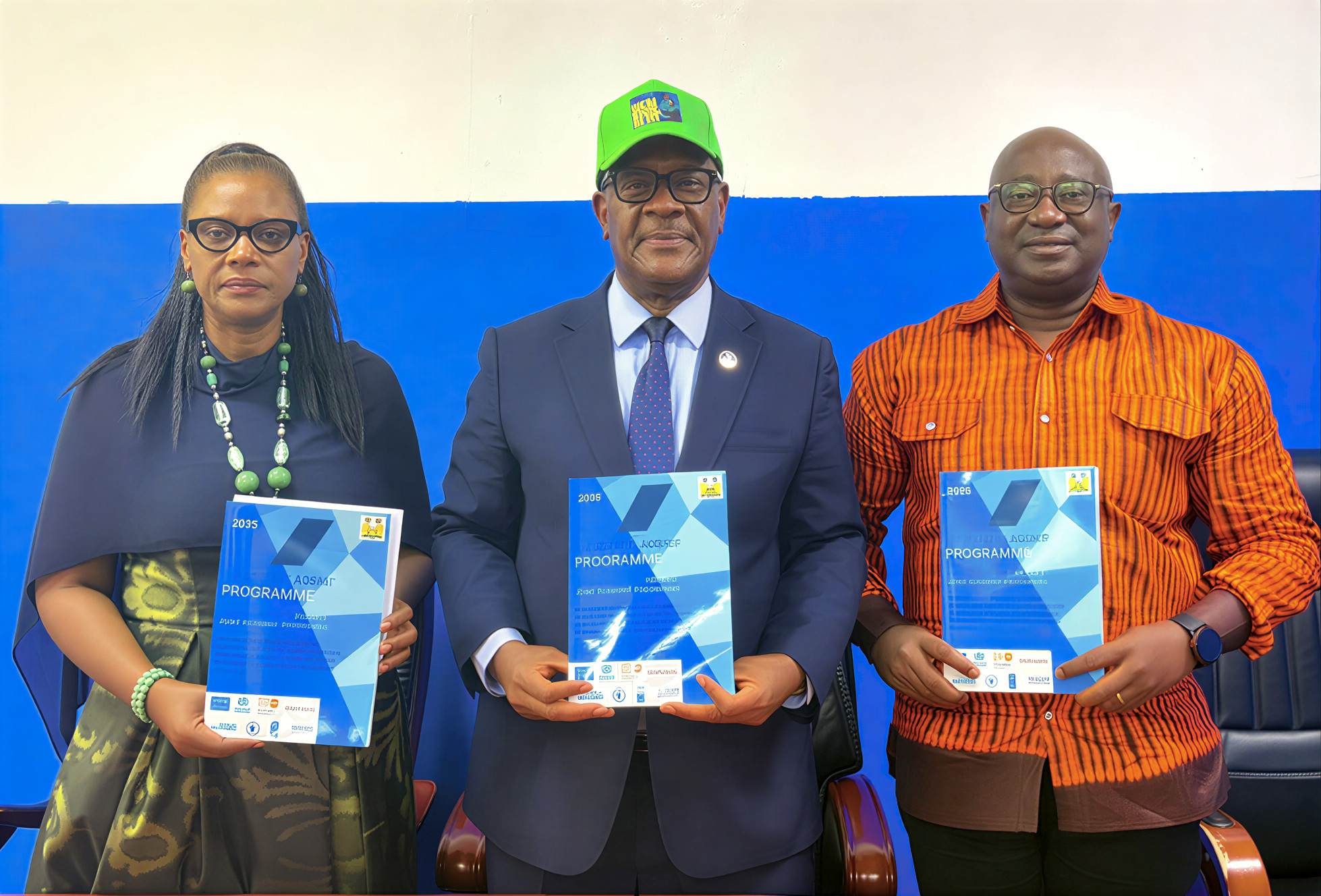
This determination reached a milestone in December with the official launch of the Joint UN Flagship Programme on the Person-Centred Life Stage Approach. Designed to strengthen care across all stages of life, this initiative marks a pivotal step toward achieving Universal Health Coverage (UHC) and ensuring that health gains are sustained and scaled nationwide.
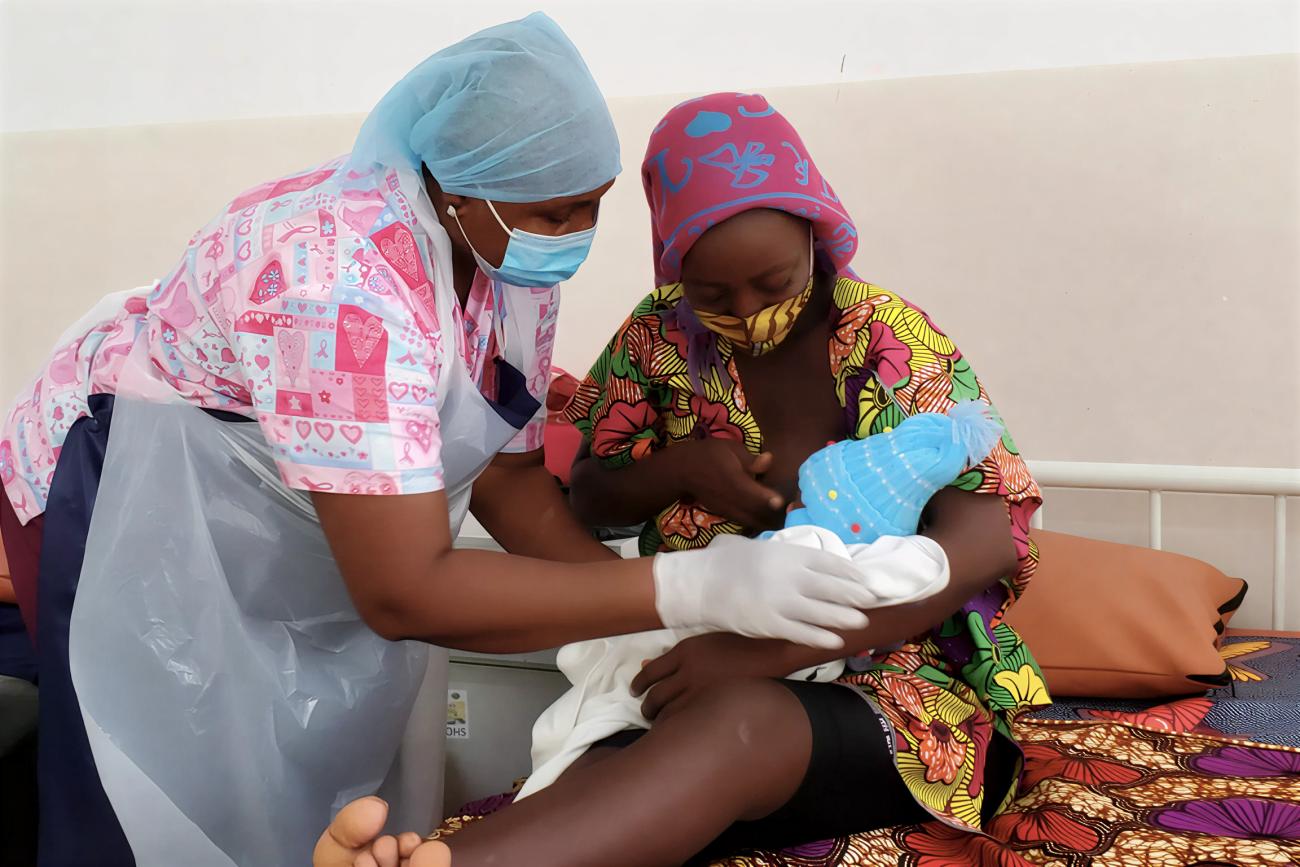
The Programme responds to Moyamba district’s challenges by shifting from a disease- to a person-centred model of care that addresses health needs across all life stages: preconception, pregnancy, childhood, adolescence, adulthood and ageing. From reproductive health and child survival to disease treatments and tackling gender-based violence (GBV), the flagship Programme will reach approximately 400,000 residents in the district with UHC.
A holistic approach for a healthier future
Under the overall coordination of my Resident Coordinator’s Office (RCO), the UN in Sierra Leone team pools together its resources and capacities to ensure evidence-based planning and alignment with national health priorities.
Led by the UN Children’s Fund (UNICEF), World Health Organization (WHO) and UN Population Fund (UNFPA), with contributions from the International Organization for Migration (IOM), UNAIDS, the UN Development Programme (UNDP), UN Women and the World Food Programme (WFP), the UN team taps into the agencies’ respective field of expertise to support the life stages.
WHO coordinates with the Ministry of Health and the District Health Management Team, working on training, non-communicable disease management and laboratory capacity through the provision of machines and equipment.
UNICEF focuses on maternal, newborn and child well-being, as well as water and sanitation services. UNFPA and UN Women support reproductive and maternal health services, address GBV and advocate for gender equality in healthcare.
Working together, UNICEF, UNFPA and UN Women collaborate with local schools to integrate programmes aimed at reducing teen pregnancy, preventing GBV through safe spaces and advancing sanitation and hygiene practices.
Since a healthy diet is a key part of a healthy life, WFP enhances food and nutrition, teaming up with UNICEF to promote good nutrition in schools.
Building on this vision to leave no one behind, IOM addresses the unique needs of migrants and displaced communities by supporting the establishment of a National Referral Mechanism that provides health services for returned migrants. Communities facing uncertainty and a lack of resources or documentation after displacement also have reliable access to healthcare.
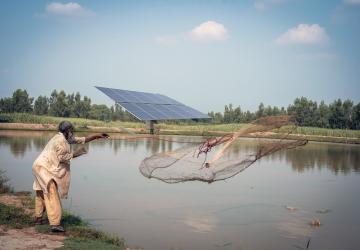
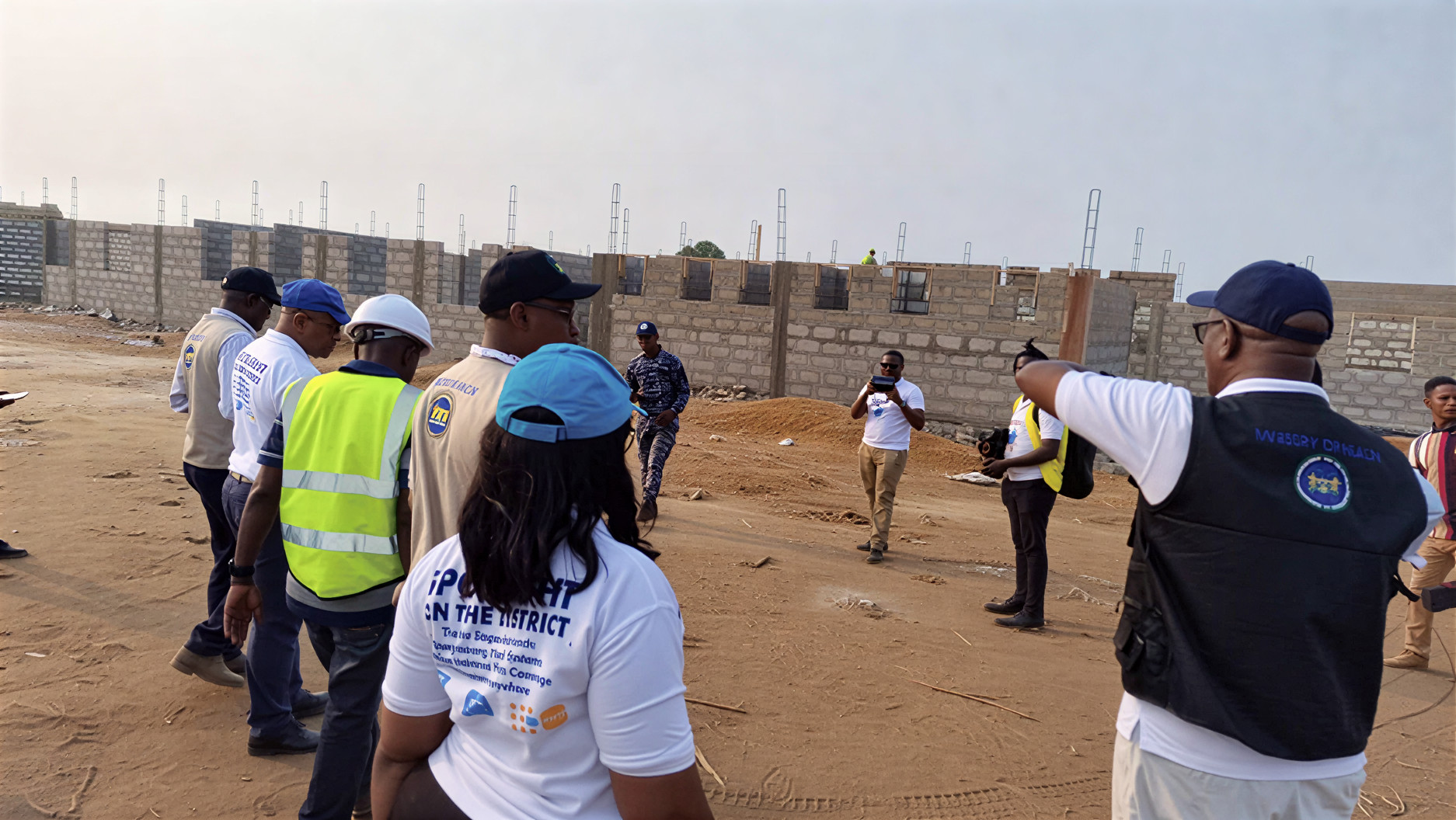
For long-term sustainability, UNDP coordinates the installation of solar panel systems in medical facilities, while UNAIDS engages in HIV prevention and treatment for patients dealing with the chronic disease.
When the UN and our partners collaborate, a healthier future goes from an abstract goal to a tangible, observable achievement that everyone can enjoy, no matter where they are in the life cycle.
Innovative financing: Doing things differently
The UN joins efforts, expertise and partnerships so that each contribution is multiplied, not fragmented.
With an initial investment of $3.6 million over three years, UN agencies are engaging in a “parallel funding model” where they not only pool their resources but also mobilise and allocate their own funds. By incentivising additional resources within agencies, this programme offers a new way to co-fund: greater coherence and greater impact per dollar.
This innovative funding model guarantees accountability at the agency level while delivering complementary, integrated results.
As a clear example of impact and coordination, the initiative aims to attract more stakeholders and scale up efforts to create a resilient health system that leaves no one behind.
A healthy prognosis for the future
This programme in Moyamba is more than a local success. It is a blueprint for health transformation that will inform similar efforts across Sierra Leone. By integrating care across life stages and strengthening community engagement, this approach aims to reduce preventable deaths, improve health outcomes and build resilience within the health system.
As Sierra Leone advances toward Universal Health Coverage, national leadership and ownership remain central. Our collective progress shows what is possible when collaboration drives action: inclusive, sustainable health solutions that accelerate progress toward the Sustainable Development Goals and deliver lasting impact for generations to come.
For the UN, this is also a moment to reaffirm our commitment to continue supporting national priorities, mobilising resources and working side-by-side with communities and partners.
This blog is authored by Ms. Seraphine Wakana, UN Resident Coordinator in Sierra Leone. For more information about the UN’s work in Sierra Leone, please visit the country website.