The Power of Choosing Hope
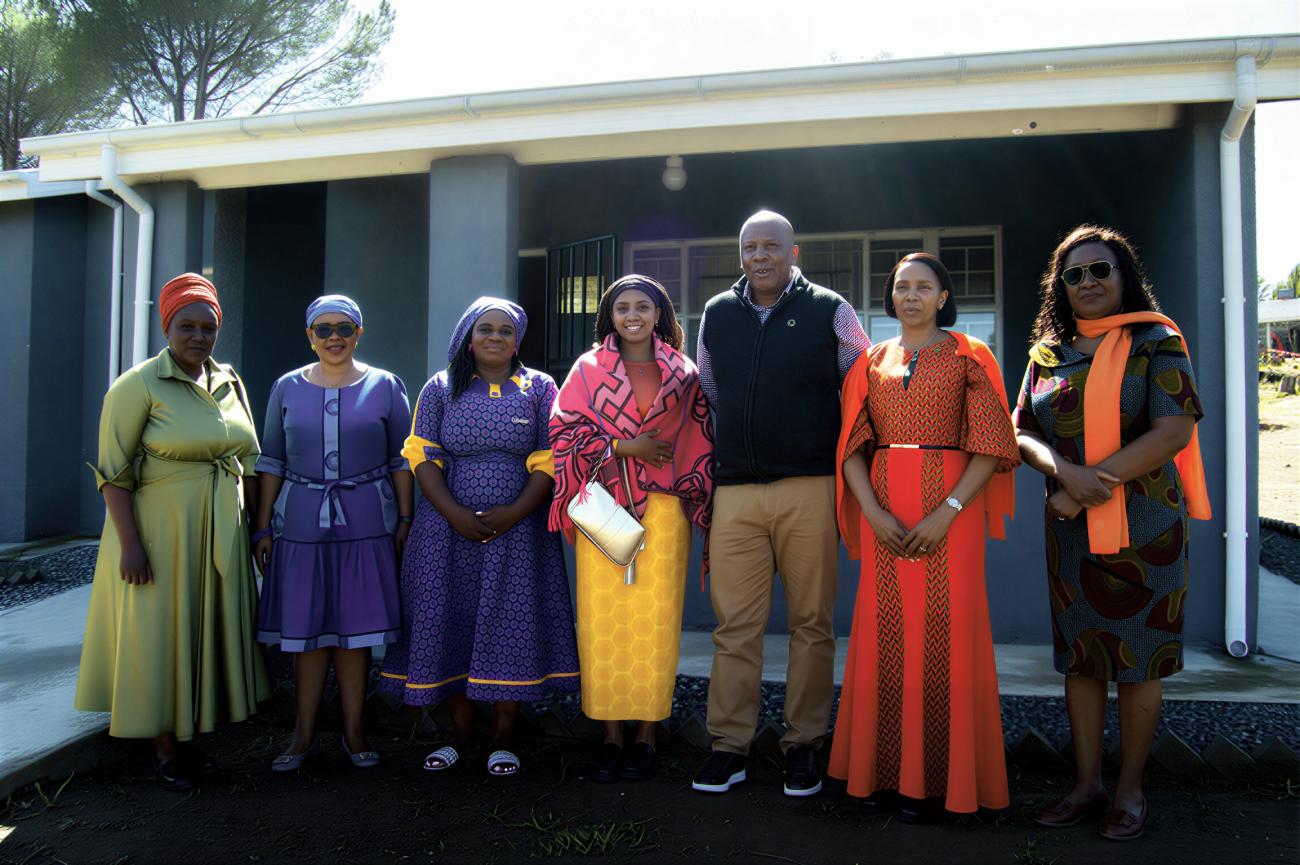
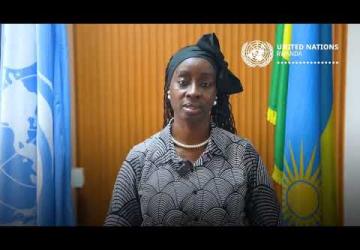
The United Nations Resident Coordinator in Lesotho, Amanda Khozi Mukwashi, reflects on how a national response to gender-based violence (GBV) is strengthening protection and expanding support for survivors across the country. Drawing on the establishment of Lesotho’s first integrated multipurpose centre for survivors, she shares five lessons on leadership, partnership and coordination, highlighting how collective action and decisive leadership can translate commitment into dignity, safety and long-term resilience for women and children.
When I first arrived in Lesotho, I was briefed on the depth of the gender-based violence crisis. The statistics were sobering, but it was the countless untold stories behind them that weighed most heavily on my conscience. Behind every number was someone whose safety, dignity or future had been compromised. And the scale of those numbers is hard to ignore.
GBV in Lesotho is a human rights emergency
Lesotho faces one of the highest rates of GBV globally. About 86 per cent of women have experienced violence in their lifetime, and GBV costs the country more than 5.5 per cent of Gross Domestic Product (GDP) annually. That is comparable to removing almost all annual spending on primary and secondary education in Lesotho. This gap could undermine multiple Sustainable Development Goals (SDGs), from poverty reduction and health to justice and gender equality.
An additional concern was how few safe options existed for those trying to escape violence. When the roof and ceiling of the only fully functioning shelter in Maseru collapsed in 2023, national capacity dropped to fewer than 15 survivors.
The UN stepped in to support by developing Lesotho’s first integrated Multipurpose Centre for survivors of gender-based violence. The journey toward establishing this Centre offers four lessons about leadership, partnership and the impact the UN can have when it works as one with national partners.
1. Crises can lead to whole-of-society action
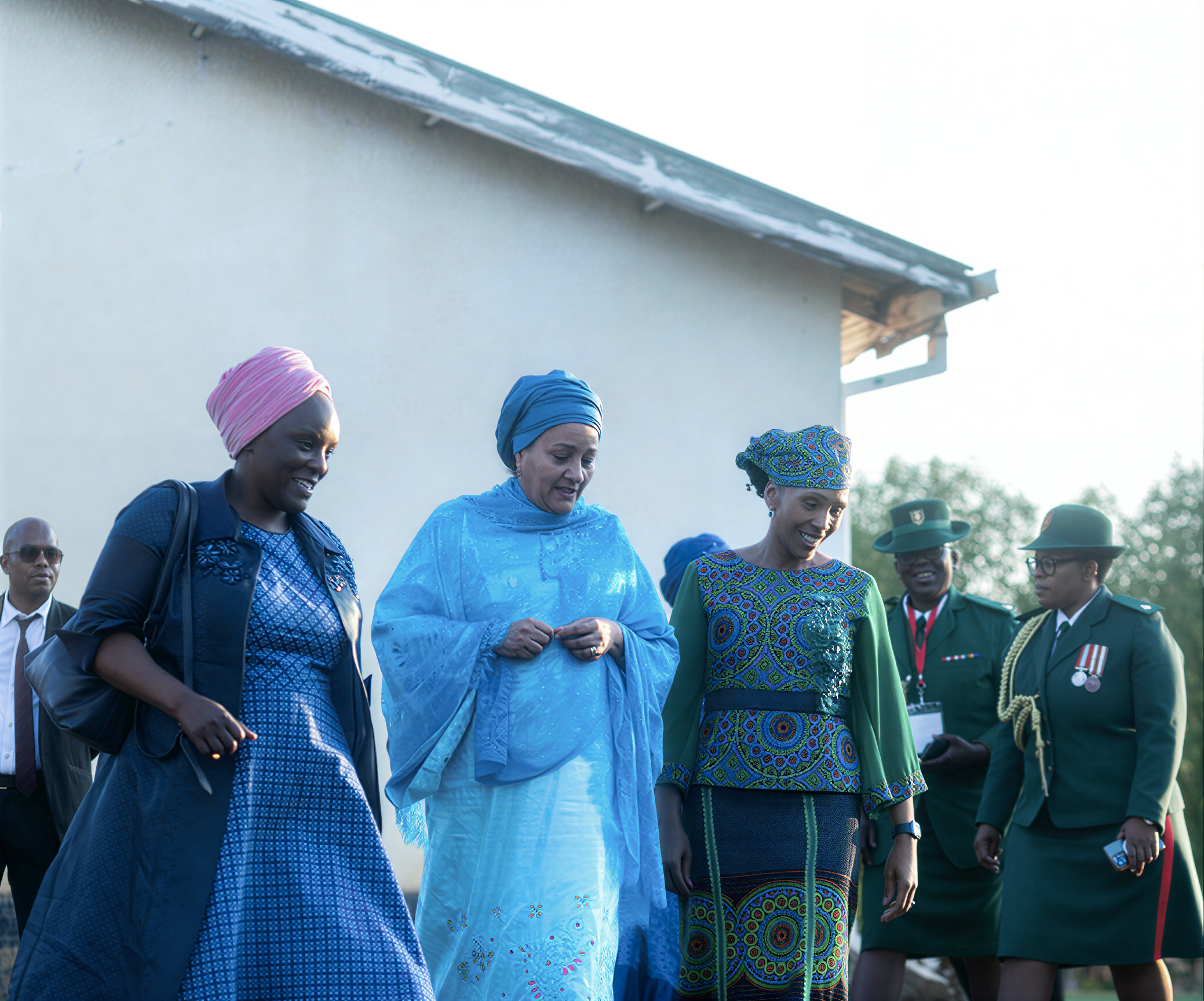
The collapse of the old shelter exposed how fragile the protection system was, but it also triggered a unified national response. Vodacom Foundation reached out immediately, and I convened a multisector meeting that brought government, private sector, civil society and the UN together. The Cabinet quickly approved the repurposing of an abandoned compound. Public Works sent engineers, the Defence Force provided labour, ministries aligned services, Her Majesty the Queen mobilised philanthropists, private companies supplied materials and civil society offered legal and psychosocial support. What could have deepened vulnerability instead sparked a whole-of-society effort far stronger than any single actor could have achieved.
“This experience reinforced a simple truth: leadership is not only about money; it is about vision, courage and refusing to remain silent in the face of injustice.” — Amanda Khozi Mukwashi, UN Resident Coordinator, Lesotho
2. The Resident Coordinator System makes coordination actionable
The reformed RC system enabled the UN to respond as one team. The UN Population Fund (UNFPA) helped make sure the Centre was built around the needs and dignity of survivors. The UN Children’s Fund (UNICEF) improved child-friendly spaces and worked with the government to integrate the early learning centre into the national system. The World Food Programme (WFP) secured meals for the children. The World Health Organisation (WHO) and UNAIDS helped establish the Health Centre and link it with government medical staff. It was collaboration, strengthened by a solid government partnership, that drove the project forward.
3. Innovation can be straightforward, practical and scalable
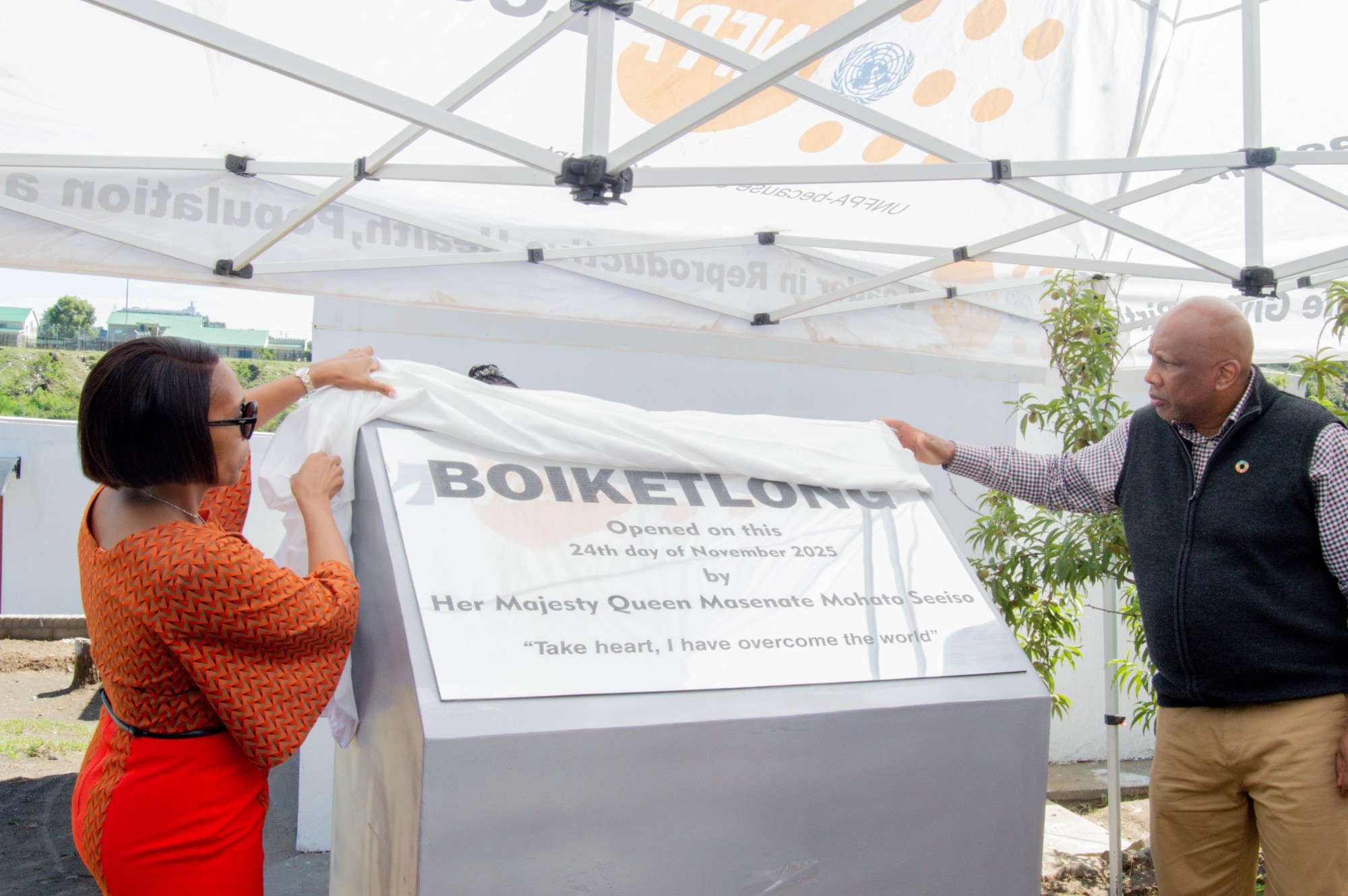
We often assume that innovation must involve high-tech solutions, but real change can be rooted in pragmatic, community-driven models. With UNFPA’s support, an Adopt-a-House model was developed to address funding constraints. Partners could adopt a house based on their financial capacity, and the Vodacom Foundation, for example, financed the first two houses. We made progress without waiting for considerable, consolidated funding and created a transparent, inclusive and nationally owned financing model suited to a small, landlocked economy.
4. Safety must be linked to economic power
Protection is vital, but recovery also requires independence. That is why the Centre combines safe housing, health care, psychosocial and legal support with a skills and innovation hub. Economic dependence often forces survivors back into abusive environments, so digital skills, vocational training and access to work are central. One young survivor from the old shelter used her training to secure a job and support her siblings, showing what stability can restore. The aim is long-term resilience, not temporary refuge.
By rallying around a common goal and turning a forgotten site into a centre for survivors, Lesotho is giving hope a concrete home. The Centre will soon host around 100 women and children, significantly expanding Lesotho’s national protection capacity. The work is not yet finished, but the commitment behind it is incredibly powerful.
In a time of many crises, giving hope a home matters. Hope links belief, knowledge, emotion and action in ways few other forces do.
Learn more about the UN's work in Lesotho on the UN team's website.