
Ukraine: Holding on to Recovery in a Relentless War
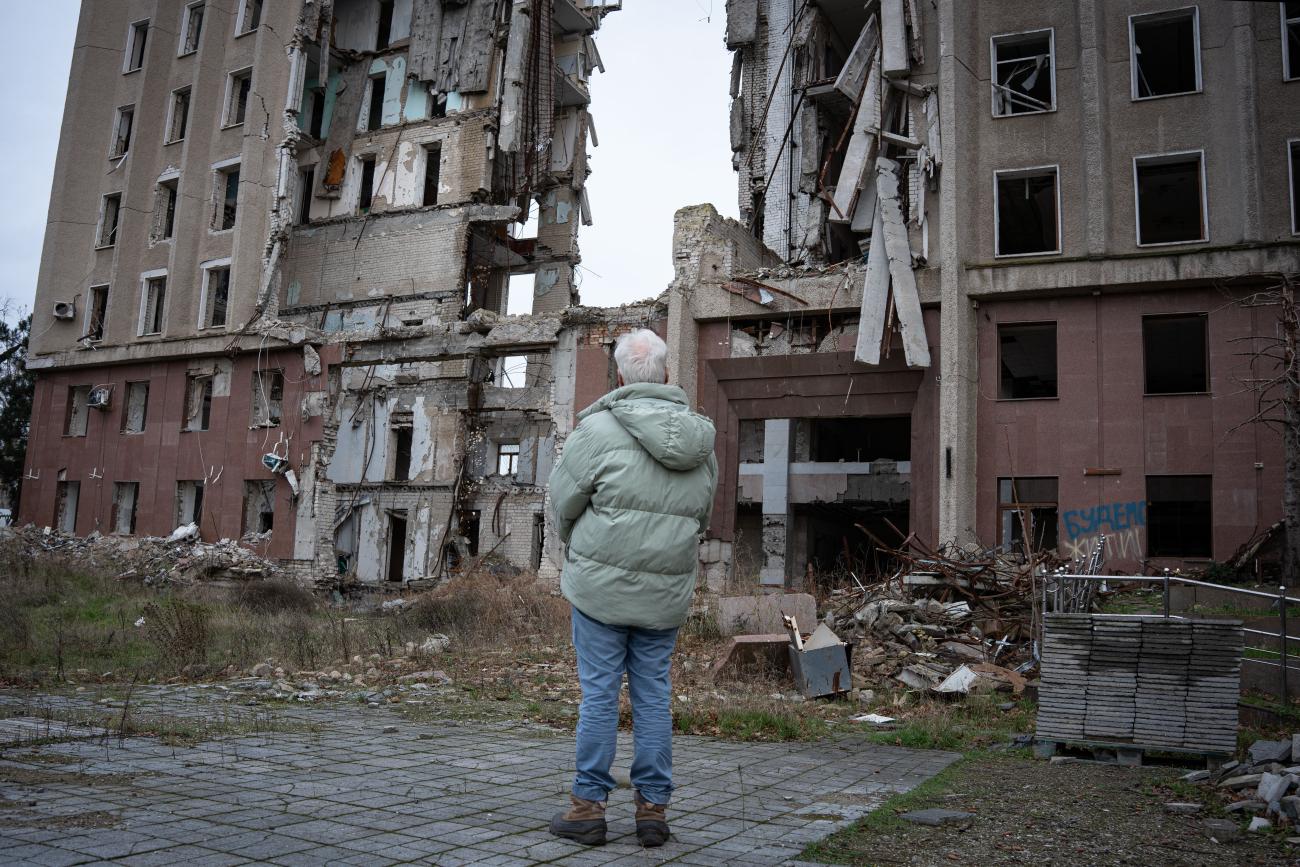
UN Resident Coordinator in Ukraine Matthias Schmale reflects on how recovery and development are being pursued alongside humanitarian response amid the ongoing war.
When I travel across Ukraine, I am struck every day by a paradox that defines life here. Above ground, the war grinds on with a relentlessness that is hard to put into words. Yet at the same time, in spaces often hidden beneath the surface, recovery continues with a determination that feels just as powerful.
Within the UN Country Team, we often return to a fundamental question: can development work continue during a war? In Ukraine, experience has shown that it not only can, but must. Recovery and development are not deferred to a future peace. They are being actively pursued alongside humanitarian response.
When I first crossed the border from Poland, a Ukrainian driver told me that in Ukraine I would experience heaven and hell every day, and after more than a year in Kyiv I know he was right. On some days, when there are no air raid alarms, the capital feels like any other vibrant European city, with busy cafes, shops and parks, yet the moment the sirens sound we move to shelters and are reminded that this is still very much a country at war.
During a recent visit to Kherson, the contrast could not have been sharper. The city has experienced shelling every single day this year. Streets that once pulsed with life now feel deserted. Locals sometimes refer to Kherson as a ‘drone safari’, convinced that new technologies are being tested over their homes, and the result is a city that can feel almost emptied of visible life when you drive through it.
But then I was taken underground to see a maternity ward rebuilt with international support. In the same place where destruction has forced so many families into fear and displacement, new life is entering the world. The sound of a newborn crying in a fortified basement carries a message stronger than the explosions above. It is a quiet reminder that Ukrainians refuse to put their lives on hold. Moving from the desolation above ground to the European Union financed maternity ward below, supported by the World Health Organization (WHO), I felt again how closely destruction and determination sit side by side in Ukraine.

Supporting communities
I have witnessed the same determination in Kharkiv. There, metro stations have been converted into underground schools. After years of disruption from the pandemic and now nearly four years of full scale war, children are once again sitting in classrooms with their teachers. The setting may be unconventional, but the learning is real.
Beyond education, development efforts are also focused on economic recovery. In frontline regions, support to small and medium scale enterprises, vocational training, and one stop service centres for farmers is helping people restore livelihoods and reduce long term dependency on aid.
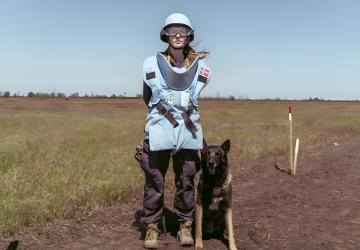
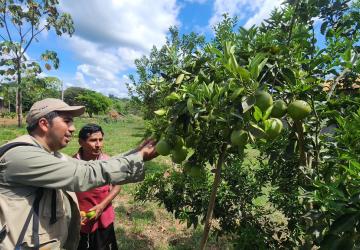
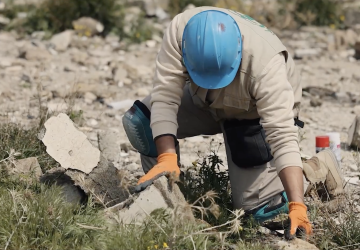
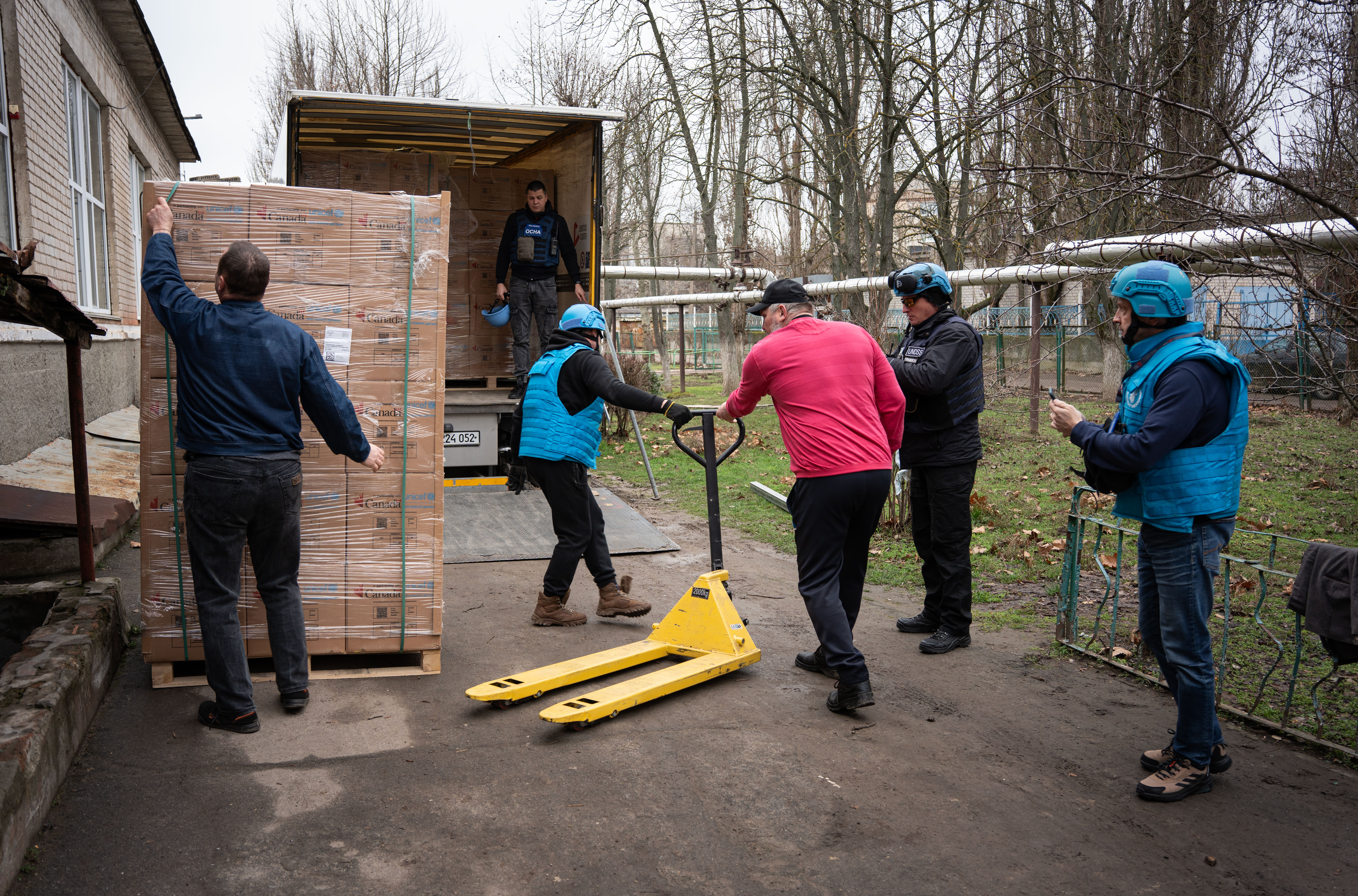
Recovery is also visible in Ukraine’s fields. Near the front line, humanitarian teams are clearing mines from agricultural land. As soon as areas are safe, farmers begin returning with support from Food and Agriculture Organization (FAO) and the World Food Programme (WFP). The process is painstaking, but each cleared field brings communities one step closer to stability.
This work illustrates the close linkage between humanitarian and development action. Humanitarian demining is not an end in itself, but a necessary foundation for agricultural recovery, food security and longer term rural development.
Strength beneath the strain
What is visible in communities is mirrored at the national level. In late November, the UN and the Government of Ukraine signed a five year Development Cooperation Framework, a clear signal that both sides are jointly committed to advancing development priorities without waiting for the war to end.
Despite the relentless challenges, Ukraine continues to function as a state. Public institutions remain active; national and local authorities deliver essential services, and humanitarian efforts complement their work. I meet regularly with more than four hundred national and international partners delivering assistance across the country. Their dedication ensures that support reaches communities even in difficult conditions.
This approach is also reflected in how support is delivered. Emergency assistance is increasingly designed with recovery in mind. For displaced families, help is not only about meeting immediate needs, but about finding more stable and lasting solutions. For survivors of conflict related sexual violence, support does not end with emergency care, but continues through longer term services, including mental health and psychosocial support.
The resilience of Ukrainians is unmistakable, but it should not be romanticized. After so many years of war, people are understandably weary. They want an end to the suffering, but not at any cost. Even in this exhaustion, they rebuild, they adapt and they support one another. It is this everyday effort that keeps hope alive. Every repaired school, cleared field, restored service and newborn delivered safely is part of the future Ukrainians insist on building. Recovery does not wait for the end of fighting. It is already underway and deserves full international support.
This blog was adapted from content presented by the Resident Coordinator in Ukraine during interviews and briefings, including his interview with UN Under-Secretary-General for Global Communications Melissa Fleming, his press briefing in New York and his briefing to Member States in December.